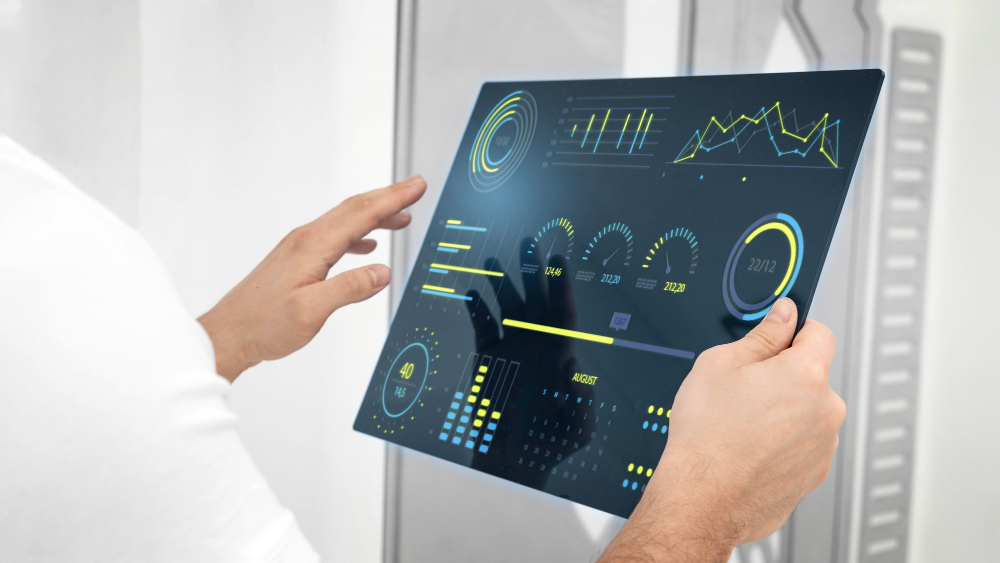
Modern industries rely heavily on machinery and equipment to maintain productivity, efficiency, and profitability. Unexpected equipment failures can result in costly downtime, production losses, and expensive repairs. To address these challenges, businesses are increasingly investing in sensors condition monitoring solutions that provide real-time insights into asset health and performance.
Condition monitoring uses advanced sensors to continuously track machine behavior and identify potential issues before they become critical failures. By detecting early warning signs, organizations can take corrective action, improve maintenance planning, and extend equipment lifespan.
As industries continue to adopt smart manufacturing and Industrial Internet of Things (IIoT) technologies, sensors condition monitoring has become an essential component of modern maintenance strategies.
What Is Sensors Condition Monitoring?
Sensors condition monitoring refers to the process of using specialized sensors to monitor the operational condition of machinery and equipment. These sensors collect real-time data related to machine performance and environmental conditions.
The information gathered helps maintenance teams identify abnormal behavior, detect developing faults, and make informed maintenance decisions.
Common parameters monitored include:
- Vibration
- Temperature
- Humidity
- Pressure
- Acoustic emissions
- Lubrication quality
- Electrical performance
By continuously tracking these variables, businesses gain valuable insights into equipment health.
Why Condition Monitoring Is Important
Traditional maintenance approaches often rely on fixed schedules or reactive repairs after failures occur. While these methods may work in some situations, they can be costly and inefficient.
Reduced Downtime
Condition monitoring helps identify problems before equipment fails, reducing unplanned downtime.
Lower Maintenance Costs
Maintenance activities can be scheduled based on actual equipment condition rather than fixed intervals.
Improved Equipment Lifespan
Early fault detection helps prevent severe damage and extends machinery life.
Increased Safety
Monitoring critical equipment helps reduce safety risks associated with unexpected failures.
These benefits make sensors condition monitoring a valuable investment for organizations across many industries.
Types of Sensors Used in Condition Monitoring
Vibration Sensors
Vibration monitoring is one of the most common methods used to detect bearing wear, imbalance, misalignment, and mechanical faults.
Temperature Sensors
Temperature changes often indicate developing equipment problems, including overheating and friction issues.
Pressure Sensors
Pressure monitoring helps ensure systems operate within safe and efficient parameters.
Acoustic Sensors
These sensors detect sound patterns that may reveal mechanical defects or leaks.
Humidity Sensors
Environmental conditions can impact equipment performance, making humidity monitoring important in certain applications.
Modern sensors condition monitoring systems often combine multiple sensor types for a more complete view of asset health.
How Sensors Condition Monitoring Works
Data Collection
Sensors continuously gather operational data from equipment.
Data Transmission
Information is transmitted to monitoring platforms through wired or wireless networks.
Data Analysis
Software analyzes sensor readings to identify trends and anomalies.
Alerts and Notifications
When abnormal conditions are detected, maintenance teams receive alerts.
Maintenance Planning
Teams can schedule inspections or repairs before equipment failure occurs.
This proactive approach allows businesses to make smarter maintenance decisions.
Applications of Sensors Condition Monitoring
Manufacturing Facilities
Production equipment must operate reliably to maintain output and product quality.
Energy and Utilities
Power generation and utility infrastructure require continuous monitoring to prevent service disruptions.
Oil and Gas Operations
Condition monitoring helps maintain critical assets operating in demanding environments.
Transportation and Logistics
Vehicles, rail systems, and fleet equipment benefit from real-time performance monitoring.
Mining and Heavy Industry
Harsh operating conditions make predictive maintenance especially valuable.
Across these sectors, sensors condition monitoring helps improve operational reliability and efficiency.
Benefits of Implementing Condition Monitoring Systems
Predictive Maintenance
Rather than reacting to failures, organizations can predict and prevent problems.
Better Asset Utilization
Equipment remains operational longer and performs more efficiently.
Reduced Repair Costs
Early intervention often prevents expensive repairs and component replacements.
Enhanced Decision-Making
Real-time data supports informed maintenance and operational decisions.
Improved Productivity
Reliable equipment helps maintain consistent production schedules.
The value of sensors condition monitoring extends beyond maintenance and contributes to overall business performance.
Emerging Trends in Condition Monitoring Technology
Industrial IoT Integration
Connected devices allow organizations to monitor assets remotely and in real time.
Artificial Intelligence
AI-powered analytics improve fault detection and predictive capabilities.
Cloud-Based Monitoring
Cloud platforms provide centralized access to equipment data across multiple locations.
Wireless Sensor Networks
Wireless technologies simplify installation and reduce infrastructure requirements.
These innovations continue to expand the capabilities of modern monitoring systems.
Choosing the Right Condition Monitoring Solution
When selecting a monitoring system, organizations should consider:
Equipment Type
Different machines require different monitoring approaches.
Criticality of Assets
Priority should be given to equipment with the greatest operational impact.
Data Requirements
Determine which performance parameters need to be monitored.
Integration Capabilities
Choose systems that integrate with existing maintenance and operational platforms.
Scalability
The solution should support future growth and expansion.
A properly designed sensors condition monitoring program can deliver long-term operational benefits.
Conclusion
In today’s competitive industrial environment, preventing equipment failures and maximizing uptime are essential goals. Sensors condition monitoring provides businesses with the real-time visibility needed to detect problems early, reduce maintenance costs, and improve asset reliability.
By leveraging advanced sensor technologies, predictive analytics, and smart monitoring platforms, organizations can transition from reactive maintenance to a proactive strategy that supports productivity, safety, and long-term profitability. As Industry 4.0 continues to evolve, condition monitoring will remain a cornerstone of efficient asset management.
Frequently Asked Questions (FAQs)
1. What is sensors condition monitoring?
It involves using sensors to continuously track equipment performance and detect potential issues before failures occur.
2. Which industries use condition monitoring systems?
Manufacturing, energy, transportation, mining, oil and gas, and utilities commonly use condition monitoring technologies.
3. What types of sensors are used in condition monitoring?
Common sensors include vibration sensors, temperature sensors, pressure sensors, humidity sensors, and acoustic sensors.
4. How does condition monitoring support predictive maintenance?
It provides real-time equipment data that helps identify developing faults, allowing maintenance teams to act before failures occur.
5. What are the main benefits of sensors condition monitoring?
Key benefits include reduced downtime, lower maintenance costs, improved equipment lifespan, increased safety, and enhanced operational efficiency.