Temperature plays an important role in the performance, safety, and reliability of industrial equipment. Many machines and industrial processes operate under high-temperature conditions, where even a small change in heat levels can affect productivity and equipment performance. Monitoring these temperature changes helps businesses identify potential problems before they develop into serious failures.
High-temperature sensor monitoring is an important part of modern industrial operations. It allows businesses to measure and track heat levels in machinery, production equipment, electrical systems, and other critical applications. By collecting accurate temperature data, companies can make better maintenance decisions, improve equipment reliability, and maintain safer working conditions.
From manufacturing plants and power generation facilities to chemical processing and heavy industries, temperature monitoring systems help organizations maintain better control over their operations.
What Is High-Temperature Sensor Monitoring?
High-temperature sensor monitoring refers to the use of specialized sensors to measure and track temperature in environments where heat levels may exceed the operating range of standard temperature sensors.
These sensors are designed to function in demanding industrial conditions and provide temperature readings for equipment, materials, and processes.
The monitoring system may include:
- High-temperature sensors
- Data collection units
- Monitoring software
- Temperature controllers
- Alarm and notification systems
- Data logging equipment
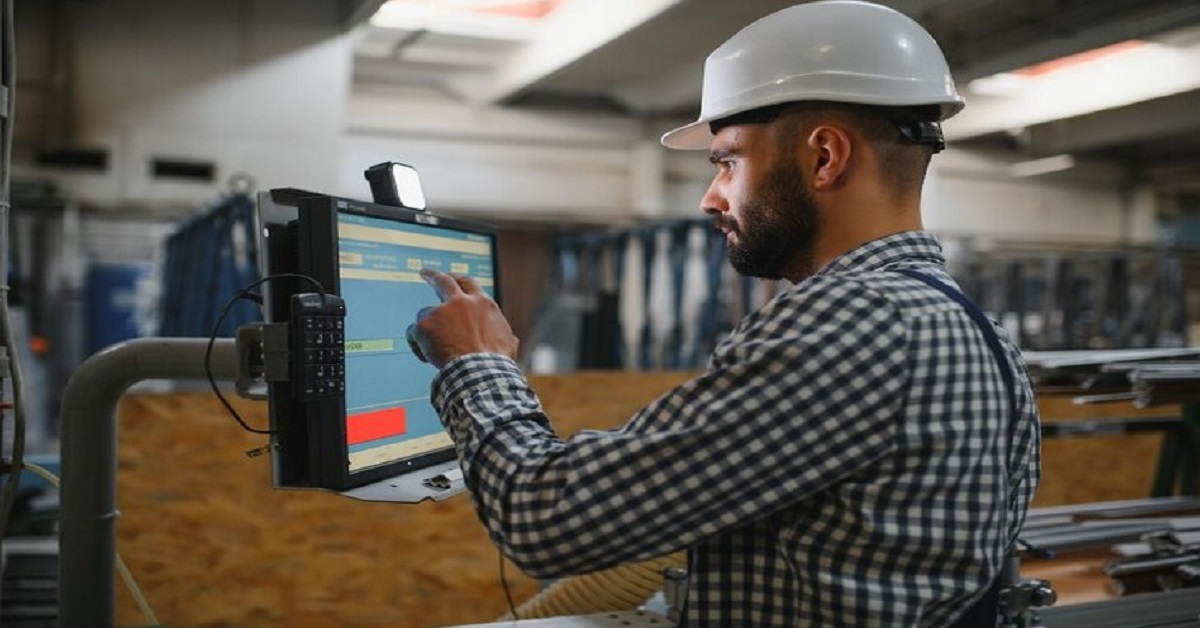
Depending on the application, temperature readings may be displayed locally or transmitted to a centralized monitoring system. This allows operators and maintenance teams to observe temperature changes and respond when readings move outside acceptable limits.
Why High-Temperature Monitoring Is Important in Industrial Applications
Industrial equipment often generates considerable heat during normal operation. However, excessive temperatures can indicate equipment stress, poor ventilation, friction, electrical faults, or process-related problems.
Regular temperature monitoring helps businesses manage these risks.
Early Detection of Overheating
One of the main benefits of temperature monitoring is the ability to identify overheating conditions early. When a machine begins operating above its normal temperature range, sensors can detect the change and alert operators.
Early identification gives maintenance teams an opportunity to investigate the issue before it causes equipment damage.
Improved Equipment Reliability
Excessive heat can affect motors, bearings, electrical components, and other machine parts. Continuous monitoring helps identify unusual temperature patterns that may indicate developing faults.
Reduced Unexpected Downtime
Unexpected equipment failure can interrupt production and increase operating costs. Temperature monitoring helps maintenance teams identify warning signs and schedule inspections before a breakdown occurs.
Better Workplace Safety
High temperatures can create risks for workers, equipment, and surrounding materials. Monitoring critical areas helps operators maintain better control over industrial processes and respond to unsafe conditions.
Types of Sensors Used for High-Temperature Monitoring
Different industrial applications require different temperature measurement technologies. Sensor selection depends on operating temperature, accuracy requirements, installation conditions, and environmental factors.
Thermocouples
Thermocouples are commonly used in industrial temperature measurement. They consist of two different metal conductors joined together, producing a measurable voltage that changes with temperature.
They are available in several types, including:
- Type K
- Type J
- Type T
- Type N
- Type R
- Type S
- Type B
Different thermocouple types are suitable for different temperature ranges and operating environments.
Resistance Temperature Detectors (RTDs)
RTDs measure temperature through changes in electrical resistance. Platinum RTDs are widely used where accurate and stable temperature measurement is required.
They are commonly found in industrial processing, laboratory equipment, and temperature-controlled systems. However, their suitability for high-temperature applications depends on the specific sensor design and construction.
Infrared Temperature Sensors
Infrared sensors measure temperature by detecting thermal radiation emitted from an object. They are useful when direct contact with the equipment is difficult, unsafe, or impractical.
These sensors are often used for monitoring moving objects, hot surfaces, and equipment operating at elevated temperatures.
High-Temperature Thermistors
Thermistors measure temperature through changes in electrical resistance. Specialized designs can be used in certain demanding environments, although their operating range depends on the material and sensor construction.
Industries That Use High-Temperature Sensor Monitoring
Temperature monitoring is important across several industries where equipment and processes operate under high heat conditions.
Manufacturing
Manufacturing facilities use temperature sensors in industrial ovens, furnaces, heating systems, and production machinery. Monitoring helps maintain process consistency and identify abnormal operating conditions.
Power Generation
Power plants rely on temperature measurements to monitor turbines, boilers, generators, and other critical equipment. Accurate readings help operators evaluate equipment conditions and maintain reliable operation.
Chemical Processing
Chemical production often involves controlled heating and temperature-sensitive reactions. Monitoring helps maintain process conditions and identify temperature changes that may require attention.
Automotive Industry
Automotive manufacturing uses temperature sensors in testing equipment, heat-treatment processes, engines, and production systems.
Metal and Steel Processing
Metal processing facilities operate furnaces and other equipment at extremely high temperatures. Specialized sensors help monitor heating processes and support consistent production conditions.
Key Benefits of High-Temperature Sensor Monitoring
Implementing a reliable monitoring system can provide several operational advantages.
Better Process Control
Accurate temperature data helps operators maintain required process conditions. This is especially important in industries where temperature directly affects product quality.
Improved Maintenance Planning
Temperature trends can help maintenance teams identify components that may require inspection. This supports condition-based and predictive maintenance strategies.
Reduced Maintenance Costs
Detecting abnormal temperatures early may help prevent extensive equipment damage and reduce the need for costly emergency repairs.
Greater Operational Visibility
Centralized monitoring systems allow operators to review temperature readings across different machines and production areas.
Consistent Product Quality
In temperature-sensitive manufacturing processes, maintaining the correct heat level helps reduce variations and support consistent production results.
How to Choose the Right High-Temperature Sensor
Selecting an appropriate sensor is essential for reliable temperature measurement. A sensor that is not suited to the operating environment may produce inaccurate readings or fail prematurely.
Check the Operating Temperature Range
Determine the minimum and maximum temperatures the sensor will need to measure. Choose a sensor designed for that range, including any expected temperature fluctuations.
Consider Environmental Conditions
Factors such as vibration, moisture, dust, chemical exposure, and pressure can affect sensor performance. The sensor housing and protective materials should match the installation environment.
Evaluate Accuracy Requirements
Some industrial processes require highly precise measurements, while others can operate with a wider tolerance. Select a sensor based on the accuracy needed for the application.
Review Installation Requirements
Consider sensor placement, mounting arrangements, cable length, and compatibility with existing monitoring equipment.
Check Calibration and Maintenance Needs
Regular calibration helps maintain measurement accuracy. Review manufacturer recommendations for inspection, calibration intervals, and replacement requirements.
Best Practices for Effective Temperature Monitoring
A well-designed system requires more than installing sensors. Businesses should also establish proper monitoring and maintenance procedures.
- Install sensors at locations where temperature changes provide useful information.
- Set suitable temperature limits and alarm thresholds.
- Inspect sensors and connections regularly.
- Follow manufacturer calibration recommendations.
- Review historical temperature data to identify unusual patterns.
- Train operators to respond appropriately to alerts.
- Replace damaged or unreliable sensors when necessary.
Following these practices can help improve the performance of high-temperature sensor monitoring systems and support more dependable industrial operations.
Conclusion
Temperature monitoring is essential for industries that depend on machinery and processes operating under high-heat conditions. Specialized sensors help businesses detect overheating, maintain process consistency, reduce equipment failures, and improve workplace safety.
By implementing reliable high-temperature sensor monitoring, organizations can gain better visibility into equipment conditions and make more informed maintenance decisions. Choosing suitable sensors, following calibration schedules, and reviewing temperature data regularly can help businesses maintain efficient and reliable industrial operations.
Frequently Asked Questions (FAQs)
1. What is high-temperature sensor monitoring?
High-temperature sensor monitoring uses specialized sensors to measure and track heat levels in industrial equipment and processes. It helps identify overheating conditions and maintain operational control.
2. Which sensors are commonly used for high-temperature monitoring?
Common options include thermocouples, specialized RTDs, infrared temperature sensors, and certain high-temperature thermistors. The right choice depends on the operating environment and measurement requirements.
3. Why is high-temperature monitoring important in industrial equipment?
It helps detect abnormal heat levels, identify potential equipment problems, improve process control, reduce unexpected downtime, and support workplace safety.
4. Which industries benefit from high-temperature sensor monitoring?
Manufacturing, power generation, chemical processing, automotive production, metal processing, and other industries that use high-heat equipment can benefit from temperature monitoring.
5. How can businesses maintain accurate temperature sensor readings?
Businesses should follow manufacturer calibration recommendations, inspect sensor connections, use sensors suited to the operating environment, and replace damaged components when required.