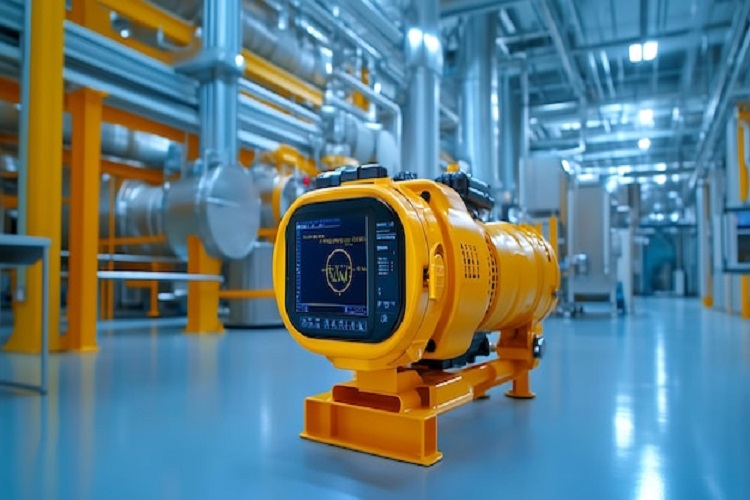
Humidity control plays a crucial role in many industries and environments. Whether it’s manufacturing, healthcare, agriculture, or data centers, maintaining the right humidity levels is essential for efficiency, safety, and product quality. This is where a high-accuracy humidity sensor becomes a vital tool.
With advancements in technology, humidity sensors are now more precise and reliable than ever. A high-accuracy humidity sensor ensures that even the smallest changes in moisture levels are detected, allowing businesses to maintain optimal conditions at all times.
What Is a High-Accuracy Humidity Sensor?
This is a device designed to measure the amount of moisture present in the air with a high degree of precision. These sensors provide real-time data that can be used for monitoring, controlling, and optimizing various processes.
Unlike standard sensors, a high-accuracy humidity sensor offers improved sensitivity, faster response times, and better stability over long periods.
Why Is Humidity Measurement Important?
1. Protects Equipment and Materials
Excess moisture can damage sensitive equipment and raw materials. Accurate humidity monitoring helps prevent corrosion, mold, and degradation.
2. Ensures Product Quality
Industries such as pharmaceuticals and food processing require precise humidity control to maintain product quality.
3. Improves Energy Efficiency
Maintaining optimal humidity levels reduces the load on HVAC systems, leading to better energy efficiency.
4. Enhances Safety
Proper humidity control minimizes risks such as static electricity and equipment failure.
Applications of High-Accuracy Humidity Sensors
A high accuracy humidity sensor is widely used across different sectors:
Industrial Manufacturing
Ensures consistent environmental conditions for production processes.
Healthcare and Laboratories
Maintains precise humidity levels for sensitive equipment and samples.
Data Centers
Prevents overheating and static issues that can damage electronic systems.
Agriculture
Helps monitor and control humidity for better crop growth and storage.
HVAC Systems
Improves indoor air quality and comfort in residential and commercial spaces.
Types of Humidity Sensors
Capacitive Sensors
These are the most common type and offer good accuracy and stability.
Resistive Sensors
Measure humidity based on changes in electrical resistance.
Thermal Conductivity Sensors
Used for specialized applications requiring high precision.
How to Choose the Right High-Accuracy Humidity Sensor
Check Accuracy Levels
Look for sensors with low error margins for precise measurements.
Consider Environmental Conditions
Choose sensors that can withstand temperature variations, dust, and chemicals.
Evaluate Response Time
Fast response sensors are ideal for real-time monitoring.
Look for Calibration Features
Sensors with easy calibration options ensure long-term accuracy.
Benefits of Using a High-Accuracy Humidity Sensor
Investing in a high-accuracy humidity sensor offers several benefits:
- Precise and reliable humidity monitoring
- Improved operational efficiency
- Better product quality
- Reduced maintenance and downtime
- Enhanced safety and compliance
These advantages make high-accuracy sensors essential for modern industries.
Future Trends in Humidity Sensing Technology
With the rise of smart technology, humidity sensors are becoming more advanced. Integration with IoT systems allows remote monitoring, data analysis, and automated control.
A accuracy humidity sensor can now be part of a smart system that provides real-time insights and predictive maintenance capabilities.
Conclusion
Humidity control is a critical factor in many industries, and accuracy plays a key role in achieving optimal results. A accuracy humidity sensor ensures precise monitoring, helping businesses maintain quality, efficiency, and safety.
By choosing the right sensor and integrating it into your systems, you can improve performance and stay ahead in today’s competitive environment.
Frequently Asked Questions (FAQs)
1. What is a high-accuracy humidity sensor?
It is a device that measures air moisture levels with high precision and reliability.
2. Where are humidity sensors used?
They are used in industries such as manufacturing, healthcare, agriculture, and data centers.
3. Why is humidity accuracy important?
Accurate humidity measurement helps maintain product quality, protect equipment, and improve efficiency.
4. How do I choose the best humidity sensor?
Consider factors like accuracy, environment, response time, and calibration features.
5. Can humidity sensors be integrated with smart systems?
Yes, modern sensors can connect with IoT systems for real-time monitoring and automation.
![#43447_Industrias_de_alimentos[BLOG] (1)](https://semeq.com/wp-content/uploads/2024/02/43447-industrias-de-alimentosblog-1.jpg)