In any industry that relies on machinery and equipment, keeping operations running smoothly is a top priority. Unexpected breakdowns can lead to costly downtime, delays, and safety risks. This is where equipment maintenance management plays a crucial role.
Effective maintenance management ensures that all equipment is regularly inspected, serviced, and repaired when needed. It helps businesses improve productivity, reduce costs, and extend the lifespan of their assets.
What Is Equipment Maintenance Management?
It refers to the process of planning, tracking, and executing maintenance activities for machinery and equipment. It involves scheduling regular inspections, monitoring performance, and addressing issues before they escalate.
This approach can include:
- Preventive maintenance (scheduled servicing)
- Predictive maintenance (data-driven monitoring)
- Corrective maintenance (repairs after failure)
By implementing a structured equipment maintenance management system, businesses can ensure consistent performance and avoid unexpected disruptions.
Types of Equipment Maintenance Strategies
Preventive Maintenance
This involves routine checks and servicing to prevent equipment failure. It is one of the most common approaches in equipment maintenance management.
Predictive Maintenance
Using data and sensors, businesses can predict when equipment is likely to fail and take action in advance.
Corrective Maintenance
This strategy focuses on fixing equipment after a breakdown. While necessary, it is usually more costly and disruptive.
Condition-Based Maintenance
Maintenance is performed based on the actual condition of the equipment rather than a fixed schedule.
Benefits of Equipment Maintenance Management
Reduced Downtime
Regular maintenance helps identify potential issues early, preventing unexpected breakdowns.
Increased Equipment Lifespan
Proper care and servicing extend the life of machinery, reducing the need for frequent replacements.
Improved Safety
Well-maintained equipment is less likely to cause accidents, ensuring a safer work environment.
Cost Savings
By avoiding major repairs and downtime, businesses can significantly reduce operational costs.
Better Productivity
Efficient equipment leads to smoother operations and higher output.
Key Components of an Effective Maintenance System
Asset Tracking
Keeping a detailed record of all equipment, including usage and maintenance history.
Maintenance Scheduling
Planning regular inspections and servicing to ensure timely upkeep.
Work Order Management
Organizing and tracking maintenance tasks for better efficiency.
Data and Reporting
Using data analytics to monitor performance and make informed decisions.
A well-structured maintenance management system integrates all these components for optimal results.
Industries That Benefit from Maintenance Management
Many industries rely heavily on equipment and can benefit from proper maintenance systems:
- Manufacturing
- Construction
- Healthcare
- Transportation
- Energy and utilities
These sectors use equipment maintenance management to ensure reliability and efficiency in their operations.
Role of Technology in Maintenance Management
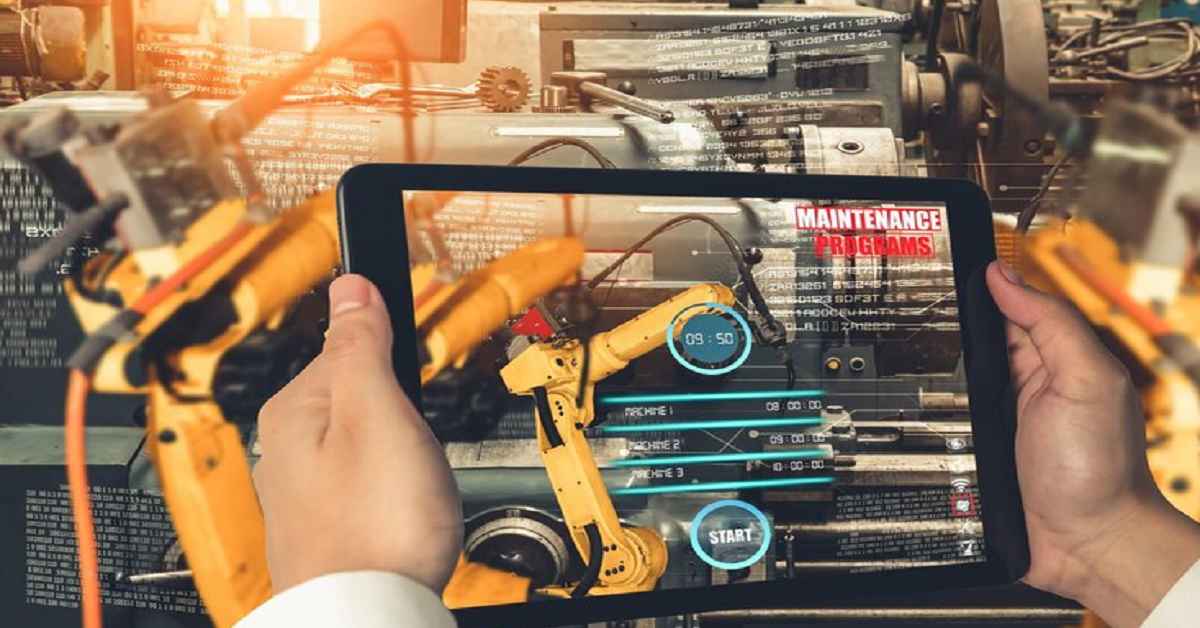
Modern technology has transformed how maintenance is managed. Tools like Computerized Maintenance Management Systems (CMMS) and IoT-enabled devices provide real-time insights into equipment performance.
With digital solutions, businesses can:
- Automate maintenance schedules
- Track equipment health in real time
- Generate reports for better decision-making
These advancements make equipment maintenance management more efficient and proactive.
Best Practices for Effective Maintenance Management
- Schedule regular inspections and servicing
- Train staff on proper equipment handling
- Use technology for tracking and monitoring
- Keep detailed maintenance records
- Continuously review and improve processes
Following these best practices ensures that your maintenance strategy delivers maximum value.
Conclusion
In today’s competitive environment, maintaining equipment is not just a necessity—it’s a strategic advantage. By implementing effective equipment maintenance management, businesses can reduce downtime, improve safety, and enhance overall efficiency.
Investing in a reliable maintenance system helps protect your assets, optimize operations, and ensure long-term success.
FAQs
What is equipment maintenance management?
It is the process of planning, tracking, and performing maintenance activities to keep equipment in optimal condition.
Why is equipment maintenance important?
It helps reduce downtime, improve safety, and extend the lifespan of machinery.
What are the types of maintenance strategies?
Common types include preventive, predictive, corrective, and condition-based maintenance.
How does technology help in maintenance management?
Technology enables real-time monitoring, automated scheduling, and data-driven decision-making.
Which industries benefit from maintenance management?
Industries like manufacturing, construction, healthcare, and energy rely heavily on effective maintenance systems.