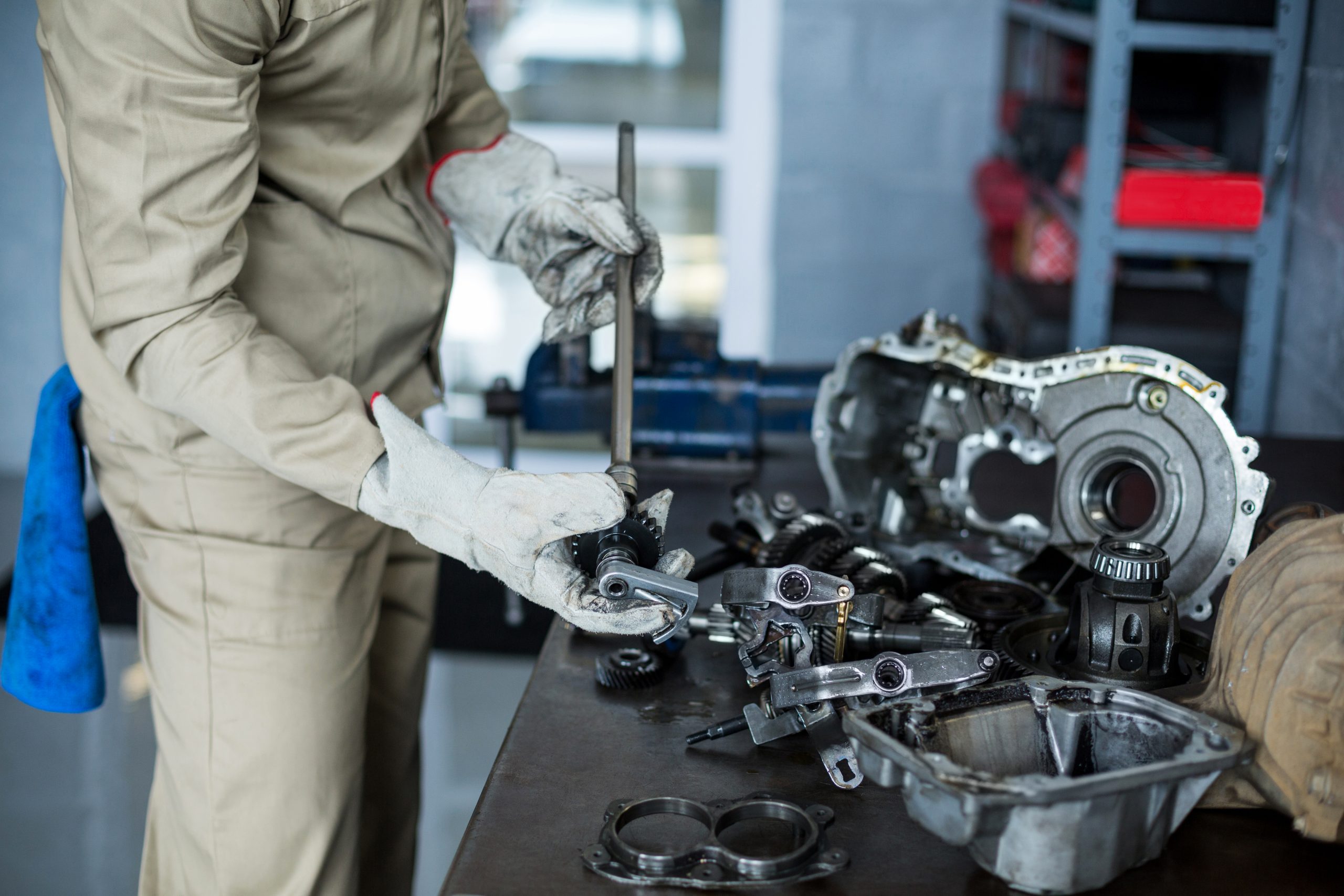
Electric motors play an important role in modern industries. From manufacturing plants and processing facilities to pumps, compressors, and heavy machinery, motors keep daily operations running smoothly. However, like any electrical equipment, motors can develop faults over time due to insulation damage, loose connections, winding problems, overheating, and other electrical issues.
This is where motor circuit analysis becomes important.
Motor circuit analysis is a testing and diagnostic approach used to evaluate the electrical condition of an electric motor. It helps maintenance professionals identify potential problems, understand motor performance, and detect electrical abnormalities before they lead to unexpected equipment failure.
Instead of waiting for a motor to stop working, businesses can use motor circuit analysis as part of their preventive maintenance strategy. This approach helps reduce downtime, improve equipment reliability, and support better maintenance decisions.
In this guide, we will explore what motor circuit analysis is, how it works, its major benefits, and why it is important for industrial motor maintenance.
What Is Motor Circuit Analysis?
Motor circuit analysis is a diagnostic process used to examine the electrical characteristics and condition of an electric motor. It involves measuring and evaluating different electrical parameters to identify problems that may affect motor performance.
The testing process can help detect issues related to:
- Motor winding resistance
- Insulation deterioration
- Electrical connection problems
- Phase imbalance
- Short circuits and winding abnormalities
- Rotor-related electrical concerns
- Ground faults
These issues may not always be visible during a routine visual inspection. However, electrical testing can provide valuable information about the motor’s internal condition.
Motor circuit analysis is commonly used in industrial maintenance programs to evaluate motors during installation, routine inspections, troubleshooting, and planned shutdowns.
How Does Motor Circuit Analysis Work?
Motor circuit analysis works by collecting electrical measurements from a motor and comparing the results with acceptable values, manufacturer specifications, or historical test data.
The exact process depends on the motor type, testing equipment, and diagnostic requirements.
1. Initial Motor Inspection
Before performing electrical tests, technicians generally inspect the motor and its surrounding components.
This may include checking:
- Motor nameplate information
- Electrical connections
- Terminal conditions
- Visible signs of overheating
- Cable insulation
- Signs of moisture or contamination
An initial inspection helps technicians understand the motor’s condition and identify any obvious problems.
2. Winding Resistance Testing
Winding resistance testing measures the electrical resistance of motor windings.
The results can help identify differences between motor phases, which may indicate loose connections, winding damage, or other electrical abnormalities.
Balanced resistance readings generally indicate that the winding resistance is consistent across phases, although additional testing may be needed to confirm the motor’s overall condition.
3. Insulation Resistance Testing
Insulation resistance testing evaluates the condition of the electrical insulation between motor windings and ground.
Over time, insulation can deteriorate because of heat, moisture, vibration, dust, and chemical exposure.
Poor insulation can increase the risk of electrical leakage and motor failure. Regular insulation testing helps identify potential insulation problems before they become serious.
4. Electrical Parameter Analysis
Technicians may also evaluate electrical parameters such as voltage, current, resistance, and phase balance.
These measurements help provide a clearer understanding of the motor’s electrical condition.
When combined with other diagnostic methods, they can help identify abnormalities that may affect motor operation.
5. Reviewing and Interpreting Test Results
After completing the tests, technicians review the collected measurements.
Comparing current results with previous test records is especially useful because changes over time can indicate developing problems.
It is important to remember that one test result does not always provide a complete picture. Accurate diagnosis often requires multiple measurements and an understanding of the motor’s operating conditions.
Key Benefits of Motor Circuit Analysis
Regular electrical testing can provide several advantages for industrial facilities. Here are some of the most important benefits.
1. Early Fault Detection
One of the biggest advantages of motor circuit analysis is its ability to help identify electrical abnormalities at an early stage.
Problems such as insulation deterioration, winding imbalance, and connection issues can develop gradually. Identifying these conditions early allows maintenance teams to take corrective action before a major failure occurs.
2. Reduced Equipment Downtime
Unexpected motor failures can interrupt production and affect overall plant productivity.
By identifying potential problems during scheduled maintenance, businesses can plan repairs more effectively and reduce the possibility of unplanned shutdowns.
3. Improved Motor Reliability
Regular monitoring helps maintenance professionals understand how motor conditions change over time.
This information supports better maintenance planning and helps keep motors in reliable operating condition.
4. Lower Maintenance Costs
Emergency repairs are often more expensive than planned maintenance.
Early fault detection can help businesses avoid unnecessary component replacements, reduce repair expenses, and make better use of maintenance resources.
5. Better Maintenance Planning
Test results provide useful information for maintenance teams.
Instead of relying only on fixed maintenance schedules, technicians can use historical testing data and equipment condition to make more informed decisions.
Common Motor Problems Identified Through Electrical Testing
Electric motors can experience several electrical problems during their service life. Understanding these issues makes it easier to recognize the importance of regular testing.
Winding Insulation Failure
Motor winding insulation can become weak because of excessive heat, aging, contamination, or moisture.
If insulation deterioration is not identified, it may eventually result in winding failure or a ground fault.
Phase Imbalance
An imbalance in the electrical supply or motor windings can affect motor performance.
It may lead to uneven current distribution, increased heating, and additional stress on motor components.
Loose Electrical Connections
Loose connections can increase electrical resistance and generate unwanted heat.
Regular inspection and appropriate electrical testing can help identify connection-related problems.
Shorted Windings
A short circuit between winding turns can affect the motor’s electrical characteristics and operating performance.
Specialized testing and professional interpretation may be required to identify the exact nature of the fault.
Motor Circuit Analysis vs. Traditional Motor Testing
Traditional motor testing often focuses on checking individual electrical parameters or identifying problems after symptoms appear.
Motor circuit analysis takes a broader diagnostic approach by evaluating multiple electrical characteristics together.
Here is a simple comparison:
| Traditional Motor Testing | Motor Circuit Analysis |
| Often focuses on individual measurements | Evaluates multiple electrical characteristics |
| May be performed during troubleshooting | Can support preventive maintenance |
| May rely on isolated test results | Can use historical data for comparison |
| Helps identify specific electrical issues | Supports a broader assessment of motor condition |
Both approaches are valuable. The right method depends on the motor, operating environment, maintenance objectives, and available testing equipment.
Best Practices for Effective Motor Circuit Analysis
To get meaningful results from motor testing, businesses should follow a consistent and well-planned approach.
Establish a Regular Testing Schedule
Testing frequency should depend on motor criticality, operating conditions, manufacturer recommendations, and maintenance requirements.
Motors operating in demanding environments may require more frequent inspections.
Maintain Historical Test Records
Keeping previous test results makes it easier to identify changes in electrical characteristics.
Historical data also helps maintenance teams recognize developing trends rather than relying on a single measurement.
Use Appropriate Testing Equipment
Different diagnostic tests require suitable instruments.
Technicians should select equipment based on motor specifications and the purpose of the inspection.
Follow Electrical Safety Procedures
Motor testing must always be performed by qualified personnel following appropriate electrical safety procedures.
Before conducting offline testing, equipment must be properly isolated, locked out, and verified de-energized. Test instruments must also be suitable for the application.
Combine Different Diagnostic Methods
Motor circuit analysis can be more effective when combined with other maintenance techniques, such as vibration analysis, thermography, and operating current monitoring.
These methods provide additional information about mechanical and electrical motor conditions.
Why Motor Circuit Analysis Is Important for Modern Industries
Industrial operations depend on reliable electrical equipment. Even a small motor failure can affect production schedules, equipment availability, and maintenance budgets.
Motor circuit analysis gives maintenance teams a practical way to understand motor electrical conditions and identify potential problems before they develop into costly failures.
It also supports condition-based maintenance, where equipment maintenance decisions are based on actual condition rather than time intervals alone.
For facilities operating multiple motors, this approach can improve maintenance visibility and help prioritize equipment that requires attention.
As industrial maintenance continues to move toward data-driven decision-making, electrical motor diagnostics will remain an important part of equipment reliability programs.
Conclusion
Motor circuit analysis is an important tool for maintaining the electrical health and reliability of industrial motors. By evaluating winding resistance, insulation condition, electrical balance, and other important parameters, technicians can identify potential issues and make better maintenance decisions.
Regular testing, accurate recordkeeping, appropriate diagnostic equipment, and qualified technical support can help businesses reduce unexpected failures and improve motor reliability.
Whether you manage a manufacturing facility, processing plant, or industrial maintenance operation, including motor circuit analysis in your preventive maintenance program can be a valuable step toward safer and more efficient operations.
Frequently Asked Questions (FAQs)
1. What is motor circuit analysis?
Motor circuit analysis is an electrical diagnostic method used to evaluate the condition of an electric motor. It involves measuring electrical characteristics such as winding resistance and insulation condition to identify potential faults and abnormalities.
2. Why is motor circuit analysis important?
Motor circuit analysis is important because it helps identify electrical problems before they cause unexpected motor failure. It supports preventive maintenance, reduces unplanned downtime, and helps improve equipment reliability.
3. What problems can motor circuit analysis detect?
Depending on the testing equipment and methods used, it can help identify winding resistance imbalances, insulation deterioration, electrical connection problems, phase abnormalities, and certain winding faults.
4. How often should motor circuit analysis be performed?
The testing frequency depends on motor operating conditions, equipment criticality, environmental factors, and manufacturer recommendations. Critical motors and those operating in harsh environments may need more frequent testing.
5. Can motor circuit analysis help prevent motor failure?
Yes. Motor circuit analysis can help identify developing electrical problems at an early stage. While no diagnostic method can guarantee that a motor will never fail, regular testing and proper maintenance can significantly improve the chances of detecting issues before they become serious.