Industrial temperature sensors is one of the most important parameters to monitor across industrial environments. From manufacturing plants and chemical processing facilities to food production and energy systems, maintaining the right temperature can directly affect product quality, equipment performance, and workplace safety.
Industrial temperature sensors provide reliable temperature measurements that help operators monitor processes and identify changes before they become serious problems. By selecting the right sensor for a particular application, businesses can improve process control, reduce downtime, and maintain consistent operating conditions.
With modern industries becoming increasingly automated, accurate temperature monitoring has become an essential part of many control and monitoring systems.
What Are Industrial Temperature Sensors?
Industrial temperature sensors are devices designed to measure temperature in demanding industrial environments. They convert changes in temperature into signals that can be monitored, recorded, or used by control systems.
Unlike basic temperature sensors designed for general-purpose applications, industrial sensors are often built to handle challenging conditions such as high temperatures, pressure, vibration, moisture, chemicals, and continuous operation.
Common types include:
- Resistance temperature detectors (RTDs)
- Thermocouples
- Thermistors
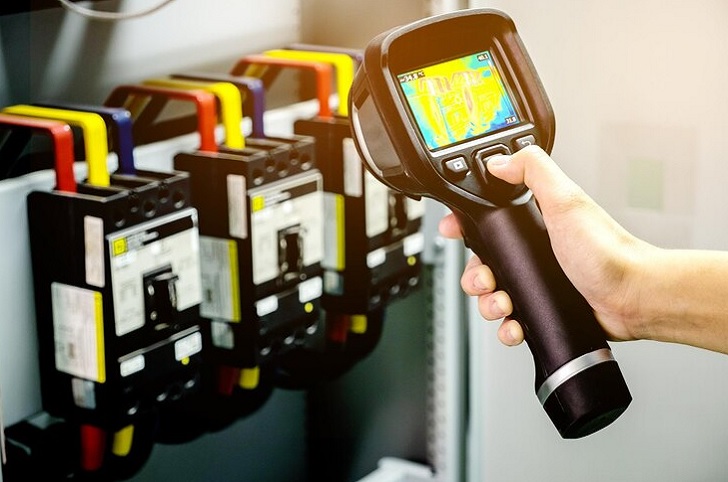
- Infrared temperature sensors
- Digital temperature sensors
Each type has different characteristics, making sensor selection important for achieving reliable measurements.
Why Temperature Monitoring Matters in Industry
Temperature can influence everything from production efficiency to equipment life. Even relatively small temperature changes can affect certain manufacturing and processing operations.
Process Control
Many industrial processes require temperature to remain within a specific range. Temperature sensors provide real-time information that allows control systems to maintain appropriate operating conditions.
Equipment Protection
Excessive heat can damage motors, machinery, electrical components, bearings, and other equipment. Continuous temperature monitoring can help identify abnormal conditions early.
Product Quality
In industries such as food processing, pharmaceuticals, and chemical manufacturing, temperature can have a significant impact on product consistency and quality.
Common Types of Industrial Temperature Sensors
Choosing the right sensor depends on temperature range, accuracy requirements, environmental conditions, response time, and installation requirements.
RTD Sensors
Resistance temperature detectors, commonly known as RTDs, measure temperature by detecting changes in electrical resistance. They are known for good accuracy and stability and are commonly used in industrial process applications.
Thermocouples
Thermocouples use the voltage generated between different metals to measure temperature. They can operate across broad temperature ranges and are widely used in furnaces, boilers, machinery, and manufacturing processes.
Thermistors
Thermistors are temperature-sensitive resistors that are particularly useful where high sensitivity is required within a more limited temperature range.
Infrared Sensors
Infrared temperature sensors measure thermal radiation without requiring direct contact with the surface. This can be useful for moving objects, high-temperature surfaces, or applications where physical contact is impractical.
Key Benefits of Industrial Temperature Sensors
Modern industrial temperature sensors offer several benefits for businesses and industrial operations.
Accurate Measurements
Reliable temperature measurements help operators make better decisions and maintain appropriate process conditions.
Continuous Monitoring
Sensors can provide continuous data, allowing temperature changes to be identified quickly instead of relying solely on manual measurements.
Improved Efficiency
Maintaining optimal temperature conditions can help industrial processes operate more efficiently and consistently.
Reduced Equipment Downtime
Early identification of abnormal temperatures can help maintenance teams investigate potential problems before equipment failure occurs.
Better Safety
Monitoring temperature can help identify overheating and other potentially hazardous conditions, supporting established industrial safety procedures.
Applications of Industrial Temperature Sensors
These sensors are used across many industries and applications.
Manufacturing
Manufacturing facilities use temperature sensors to monitor machinery, production lines, ovens, furnaces, and processing equipment.
Chemical Processing
Temperature control is often critical in chemical processes. Sensors help operators maintain appropriate conditions and monitor changes during production.
Food and Beverage
Temperature monitoring supports processing, cooking, refrigeration, storage, and other operations where temperature can affect quality and safety.
Energy and Power
Power plants and energy facilities use temperature sensors to monitor boilers, turbines, generators, pipes, and other equipment.
HVAC and Building Systems
Industrial-grade sensors can also be used in large heating, ventilation, and cooling systems to monitor and control operating temperatures.
How to Choose the Right Temperature Sensor
Selecting the correct sensor requires careful consideration of the operating environment.
Consider the Temperature Range
The sensor should be capable of accurately measuring the minimum and maximum temperatures expected in the application.
Evaluate Accuracy
Different processes have different accuracy requirements. Applications requiring precise control may require a more accurate sensor technology.
Consider the Environment
Exposure to chemicals, moisture, pressure, vibration, dust, or extreme temperatures can affect sensor performance. The sensor’s construction and protective housing should be suitable for the environment.
Check Response Time
Some applications require rapid detection of temperature changes, while others can operate with slower measurement responses.
Review Installation Requirements
The sensor should be compatible with the available mounting location, process connection, wiring, and monitoring system.
Maintenance and Calibration
Even high-quality sensors require appropriate maintenance. Regular inspection can help identify damaged cables, loose connections, contamination, or physical wear.
Calibration is also important when accurate temperature measurements are critical. A consistent calibration program can help identify measurement drift and maintain confidence in sensor readings.
Businesses should follow the manufacturer’s recommendations and their own maintenance procedures when inspecting and calibrating temperature sensors.
The Role of Temperature Sensors in Smart Manufacturing
As industrial operations adopt automation and connected technologies, temperature sensors are becoming an important source of real-time operational data.
Sensors can connect with monitoring systems, programmable logic controllers, industrial networks, and data platforms. This information can then be used to track trends, identify unusual temperature patterns, and support predictive maintenance strategies.
The combination of industrial temperature sensors with modern monitoring technology can give businesses better visibility into equipment and processes.
Final Thoughts
Reliable temperature measurement is essential for many industrial operations. Industrial temperature sensors help businesses monitor processes, protect equipment, improve efficiency, and maintain consistent operating conditions.
The right sensor depends on several factors, including temperature range, accuracy, response time, environmental conditions, and installation requirements. By selecting suitable sensors and maintaining them properly, industrial facilities can improve the reliability of their temperature monitoring systems and support more effective process control.
Frequently Asked Questions
What are industrial temperature sensors?
Industrial temperature sensors are devices designed to measure temperature in manufacturing, processing, energy, and other demanding industrial environments. They provide temperature data for monitoring and control systems.
What are the main types of industrial temperature sensors?
Common types include RTDs, thermocouples, thermistors, infrared sensors, and digital temperature sensors. The best option depends on the application’s temperature range, accuracy, environment, and response-time requirements.
Where are industrial temperature sensors used?
They are commonly used in manufacturing, chemical processing, food and beverage production, power generation, HVAC systems, machinery monitoring, and many other industrial applications.
How do industrial temperature sensors improve equipment monitoring?
They provide continuous temperature information that can help identify overheating, abnormal operating conditions, and temperature changes that may indicate developing equipment problems.
How often should industrial temperature sensors be calibrated?
Calibration frequency depends on the sensor type, application, operating environment, accuracy requirements, and manufacturer’s recommendations. Critical applications may require more frequent calibration and verification.