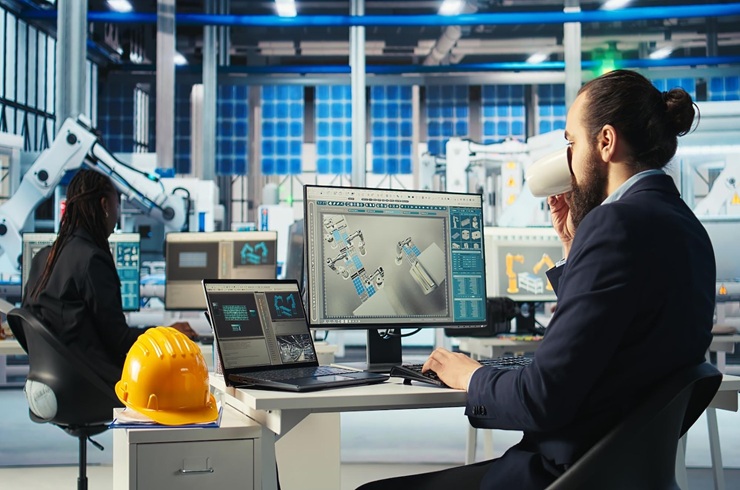
Modern industries depend on machines, electrical systems, and production equipment to maintain smooth and efficient operations. From manufacturing plants and power stations to oil and gas facilities, every industrial operation requires reliable equipment and continuous performance monitoring. Even a small equipment issue can affect production, increase maintenance costs, and lead to unexpected downtime.
This is where industrial monitoring solutions play an important role. These solutions help businesses monitor equipment performance, track operating conditions, identify potential problems, and make better maintenance decisions. By collecting and analyzing important operational data, industries can understand how their equipment is performing and take action before minor issues turn into major failures.
With the growing adoption of automation, IoT, and smart manufacturing technologies, industrial monitoring has become an important part of modern industrial operations.
In this article, we will explore what industrial monitoring solutions are, how they work, their key benefits, common applications, and why they are essential for improving industrial performance.
What Are Industrial Monitoring Solutions?
Industrial monitoring solutions are technologies and systems designed to track, measure, and analyze the performance and operating conditions of industrial equipment and processes.
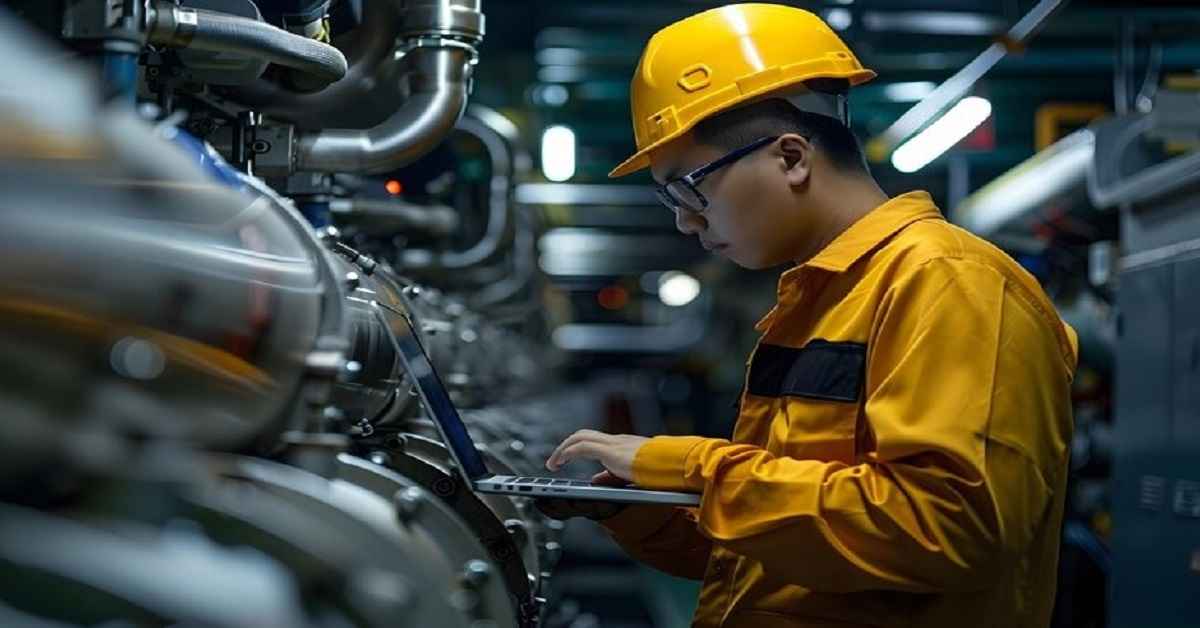
These solutions use sensors, monitoring devices, software platforms, and data analysis tools to collect information from machines and industrial systems. The collected data helps maintenance teams and plant operators understand equipment health, identify unusual operating conditions, and respond to potential problems.
Depending on the application, industrial monitoring systems can track several parameters, including:
- Temperature and humidity
- Vibration and machine movement
- Pressure and flow rates
- Electrical current and voltage
- Energy consumption
- Motor and equipment performance
- Operating speed and load conditions
By continuously monitoring these parameters, industries can gain better visibility into their operations and improve overall equipment reliability.
How Do Industrial Monitoring Solutions Work?
Industrial monitoring solutions work by collecting real-time or periodic data from industrial equipment and converting it into useful information. This allows operators to monitor equipment conditions and identify performance changes.
The process generally involves the following steps.
1. Data Collection Through Sensors
The first step is collecting operational data using sensors and monitoring devices installed on machines or industrial systems.
For example, vibration sensors can monitor rotating machinery, while temperature sensors can identify unusual heat levels in motors, bearings, and other components.
2. Data Transmission
Once the data is collected, it is transmitted to a monitoring platform through wired or wireless communication networks.
Depending on the system, communication technologies may include industrial Ethernet, Modbus, wireless networks, or IoT-based connectivity.
3. Data Analysis and Monitoring
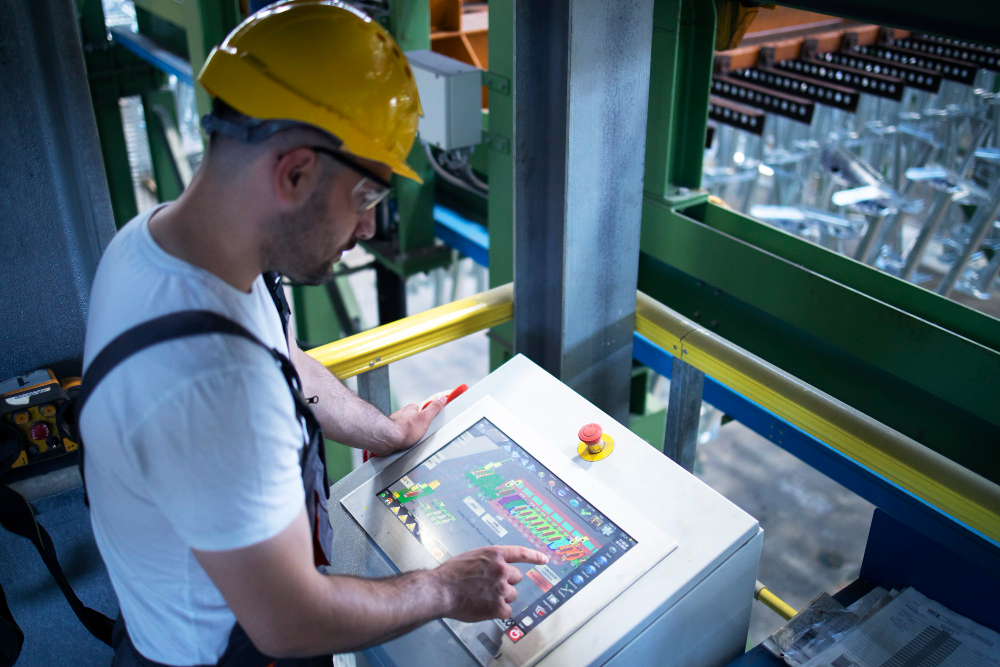
The monitoring software processes the collected information and presents it through dashboards, graphs, and performance reports.
Operators can use this information to understand equipment conditions, compare current readings with normal operating values, and identify unusual changes.
4. Alerts and Notifications
Many advanced monitoring systems provide automated alerts when equipment parameters exceed predefined limits.
For example, if a motor starts showing unusually high vibration or temperature, the system can notify maintenance personnel so they can investigate the issue.
5. Maintenance and Corrective Action
Based on monitoring results, maintenance teams can schedule inspections, perform necessary repairs, and take preventive action to avoid equipment failure.
This approach supports better maintenance planning and helps reduce unexpected operational interruptions.
Key Benefits of Industrial Monitoring Solutions
Implementing an effective monitoring system can offer several advantages for industrial organizations.
1. Reduced Equipment Downtime
Unexpected equipment failures can disrupt production schedules and increase operating costs.
Industrial monitoring solutions help identify abnormal equipment conditions at an early stage, allowing maintenance teams to take corrective action before a complete breakdown occurs.
This helps industries maintain smoother production operations and reduce unplanned downtime.
2. Improved Equipment Reliability
Continuous monitoring provides valuable information about equipment health and performance.
By identifying developing problems and monitoring changes in operating conditions, industries can improve equipment reliability and extend the useful life of critical assets.
3. Better Predictive Maintenance
Traditional maintenance strategies often depend on fixed service schedules or repairs after equipment failure.
Industrial monitoring systems support predictive maintenance by providing real-time and historical equipment data. Maintenance teams can use this information to identify potential failures and plan maintenance activities based on actual equipment conditions.
4. Increased Operational Efficiency
Monitoring equipment performance helps operators identify inefficient operating conditions, unnecessary energy consumption, and process-related issues.
With better operational visibility, businesses can improve productivity, optimize equipment utilization, and make more informed decisions.
5. Enhanced Workplace Safety
Equipment operating outside normal conditions can create safety risks for employees and facilities.
Monitoring parameters such as temperature, pressure, vibration, and electrical performance helps identify potentially dangerous situations and supports timely intervention.
6. Lower Maintenance and Operating Costs
Early problem detection can reduce the need for expensive emergency repairs and major equipment replacements.
It also helps maintenance teams allocate resources more effectively and avoid unnecessary maintenance activities.
Types of Industrial Monitoring Solutions
Different industries require different monitoring technologies depending on their equipment, processes, and operational requirements.
Here are some commonly used industrial monitoring solutions.
1. Vibration Monitoring Systems
Vibration monitoring is widely used to assess the condition of rotating machinery such as motors, pumps, fans, compressors, and turbines.
Changes in vibration patterns can indicate mechanical problems such as:
- Bearing defects
- Shaft misalignment
- Mechanical looseness
- Rotor imbalance
- Gearbox abnormalities
Regular vibration monitoring helps maintenance teams identify mechanical issues before they lead to major equipment failures.
2. Temperature Monitoring Systems
Temperature monitoring systems measure the heat generated by industrial equipment and electrical components.
Unusual temperature increases may indicate excessive loading, poor ventilation, friction, insulation problems, or developing equipment faults.
These systems are commonly used in electrical panels, motors, transformers, bearings, and industrial processing equipment.
3. Electrical Monitoring Systems
Electrical monitoring solutions track important electrical parameters such as voltage, current, power factor, frequency, and energy consumption.
They help identify electrical abnormalities, monitor power quality, and improve energy management across industrial facilities.
4. Condition Monitoring Systems
Condition monitoring systems combine different monitoring technologies to evaluate the overall health of industrial assets.
They may use vibration analysis, temperature monitoring, electrical measurements, and other diagnostic techniques to provide a more complete picture of equipment condition.
5. IoT-Based Industrial Monitoring
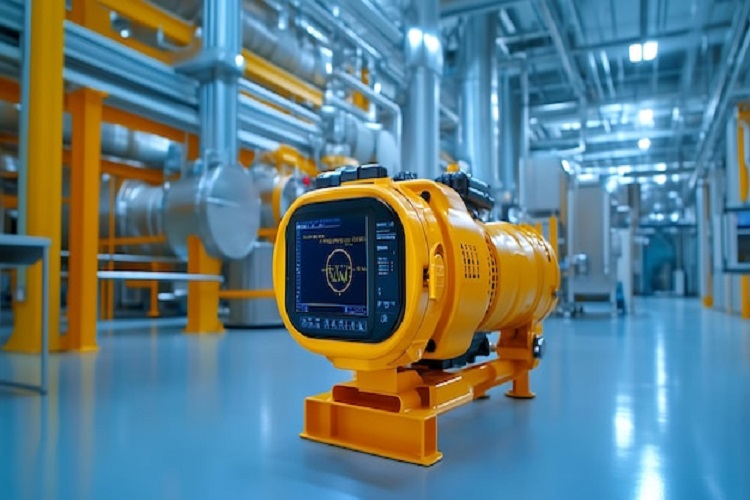
IoT-based monitoring solutions connect industrial equipment, sensors, and software platforms to enable remote data collection and monitoring.
These systems allow authorized users to access equipment information from centralized dashboards and receive notifications when abnormal conditions are detected.
Industrial Applications of Monitoring Solutions
Industrial monitoring technologies are used across several sectors where equipment reliability and operational efficiency are important.
Manufacturing Industry
Manufacturing facilities use monitoring systems to track production machinery, motors, conveyors, compressors, and other critical equipment. This helps maintain production continuity and improve machine availability.
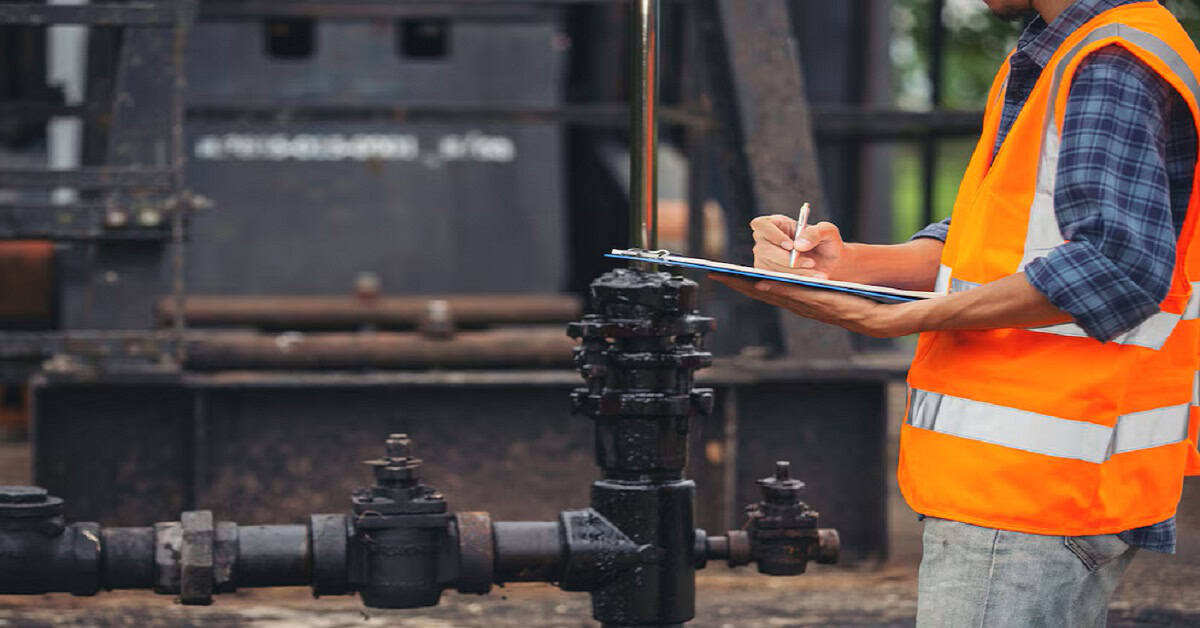
Oil and Gas Industry
Oil and gas facilities depend on pumps, compressors, pipelines, and processing equipment. Monitoring these assets helps identify abnormal operating conditions and supports safer, more reliable operations.
Power Generation Industry
Power plants use monitoring technologies to track generators, motors, turbines, transformers, and auxiliary systems. Continuous monitoring helps improve equipment performance and maintenance planning.
Water and Wastewater Treatment
Water treatment facilities use monitoring systems to track pumps, motors, pressure levels, flow rates, and other essential operating parameters.
Pharmaceutical and Chemical Industries
These industries require controlled operating environments and reliable equipment. Monitoring temperature, pressure, humidity, and process conditions helps maintain consistent operations and supports quality requirements.
How to Choose the Right Industrial Monitoring Solutions
Selecting the right monitoring system requires a clear understanding of your facility’s operational requirements.
Here are some important factors to consider:
- Identify critical equipment: Start by identifying machines and systems that have the greatest impact on production and operational safety.
- Understand monitoring requirements: Determine which parameters need to be monitored, such as vibration, temperature, current, voltage, or pressure.
- Check system compatibility: Ensure that the monitoring solution is compatible with existing industrial equipment and communication infrastructure.
- Consider scalability: Choose a system that can support additional equipment and monitoring points as your facility grows.
- Evaluate reporting capabilities: Look for systems that provide useful dashboards, historical trends, alerts, and diagnostic reports.
- Consider technical support: Reliable installation, training, maintenance, and technical assistance are important for long-term system performance.
A suitable monitoring solution should meet current operational needs while allowing room for future improvements.
The Future of Industrial Monitoring Solutions
Industrial monitoring is evolving with advancements in artificial intelligence, machine learning, industrial IoT, and data analytics.
Modern monitoring platforms are becoming more capable of analyzing large volumes of equipment data and identifying patterns that may indicate developing problems.
Artificial intelligence can help improve fault detection, while advanced analytics can support more accurate maintenance planning.
Remote monitoring is also becoming increasingly important, allowing maintenance teams to monitor equipment across multiple locations without being physically present at every facility.
As industries continue to adopt smart manufacturing practices, industrial monitoring solutions will play an even greater role in improving productivity, equipment reliability, and operational decision-making.
Conclusion
Maintaining reliable equipment and efficient operations is a major priority for every industrial organization. Equipment failures, unexpected downtime, and inefficient operating conditions can affect productivity and increase overall business costs.
Industrial monitoring solutions help industries overcome these challenges by providing better visibility into equipment performance, identifying abnormal conditions, and supporting proactive maintenance decisions.
From vibration and temperature monitoring to electrical monitoring and IoT-based systems, these technologies help businesses maintain healthier equipment and improve operational efficiency.
By choosing the right monitoring technology and implementing a consistent monitoring strategy, industries can reduce downtime, improve asset reliability, enhance workplace safety, and build more efficient operations for the future.
Frequently Asked Questions (FAQs)
1. What are industrial monitoring solutions?
Industrial monitoring solutions are systems and technologies used to track and analyze the operating conditions of industrial equipment and processes. They collect data such as temperature, vibration, pressure, current, and voltage to help identify abnormalities and improve equipment performance.
2. Why are industrial monitoring solutions important?
Industrial monitoring solutions are important because they help identify potential equipment problems early, reduce unexpected downtime, improve maintenance planning, and increase operational efficiency. They also provide valuable information for improving equipment reliability and workplace safety.
3. What types of equipment can be monitored using industrial monitoring systems?
Industrial monitoring systems can be used for motors, pumps, compressors, fans, turbines, transformers, generators, conveyors, and other industrial machinery. The monitoring technology depends on the equipment type and the parameters that need to be evaluated.
4. How do industrial monitoring solutions support predictive maintenance?
These solutions collect equipment performance data and help identify unusual changes that may indicate developing faults. Maintenance teams can analyze this information to schedule inspections and repairs before equipment failures occur, reducing unplanned downtime.
5. What is the difference between industrial monitoring and condition monitoring?
Industrial monitoring is a broad approach that involves tracking equipment performance, operating parameters, and industrial processes. Condition monitoring specifically focuses on evaluating the health of equipment through parameters such as vibration, temperature, and electrical characteristics. Condition monitoring is an important part of a comprehensive industrial monitoring strategy.