In industrial production, small environmental changes can create big problems. One of the most critical factors is humidity. Too much or too little moisture in the air can damage products, slow processes, and increase waste. This is why many industries rely on a high-accuracy humidity sensor to maintain stable conditions and improve overall production efficiency.
Why Humidity Control Matters in Production
Humidity directly affects materials, machines, and product quality. In industries such as pharmaceuticals, electronics, food processing, textiles, and paper manufacturing, incorrect humidity levels can cause defects, contamination, corrosion, or equipment malfunction.
For example, excess moisture can lead to mold growth in food facilities, while low humidity in electronics manufacturing can increase static electricity and damage sensitive components. A high-accuracy humidity sensor ensures that humidity levels remain within precise limits, protecting both products and processes.
What Is a High-Accuracy Humidity Sensor?
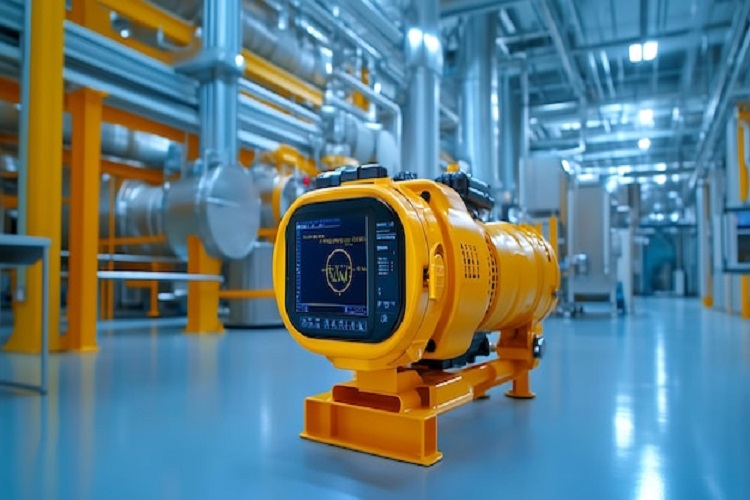
A high-accuracy humidity sensor is a device designed to measure moisture in the air with exceptional precision. Unlike basic sensors, it provides reliable, stable readings even in demanding industrial environments. These sensors are often built with advanced materials, temperature compensation, and digital calibration to deliver consistent results over time.
By offering real-time humidity data, these sensors allow operators to react immediately to environmental changes and maintain optimal production conditions.
How High-Accuracy Humidity Sensors Improve Production
Improved Product Quality
Consistent humidity control helps maintain uniform product quality. Whether it’s preventing moisture absorption in powders or avoiding drying issues in textiles, accurate humidity measurement reduces defects and rework.Reduced Production Downtime
Unexpected humidity changes can cause machine failures or process interruptions. A high-accuracy humidity sensor detects deviations early, allowing corrective action before problems escalate and cause downtime.Better Process Stability
Many industrial processes depend on controlled environments. Accurate humidity data ensures repeatable results, which is essential for meeting quality standards and regulatory requirements.Increased Equipment Protection
Excess moisture can cause corrosion, rust, and electrical faults. Monitoring humidity protects machinery, extends equipment life, and reduces maintenance costs.Higher Energy Efficiency
Overcorrecting humidity through HVAC or dehumidification systems wastes energy. With precise data from a high-accuracy humidity sensor, systems operate more efficiently, lowering energy consumption and operating costs.Support for Automation and Smart Manufacturing
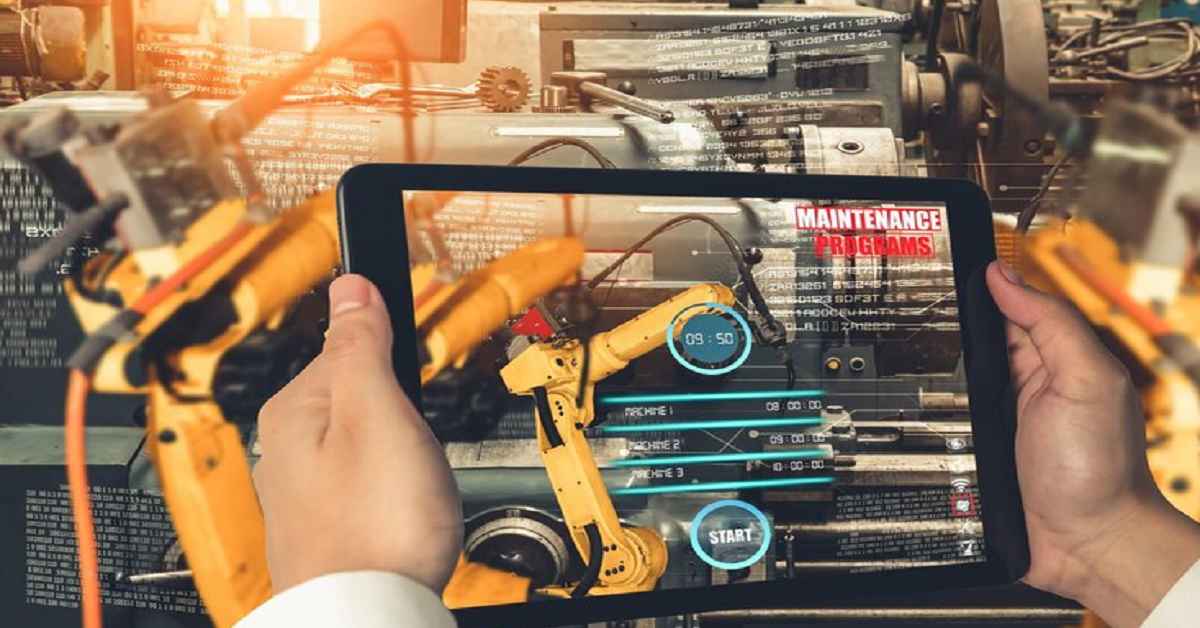
Modern factories rely on automation and data-driven decisions. High-accuracy sensors integrate easily with control systems, enabling automatic adjustments and smarter production management.
Industries That Benefit the Most
A high-accuracy humidity sensor plays a vital role across many sectors:
Pharmaceuticals: Ensures safe storage and production of sensitive medicines
Electronics: Prevents static discharge and component damage
Food and Beverage: Maintains hygiene and shelf-life standards
Textiles: Controls fiber strength and fabric consistency
Paper and Packaging: Prevents warping, curling, and material waste
Chemical Processing: Maintains reaction stability and safety
In each case, accurate humidity monitoring directly improves productivity and reliability.
Choosing the Right Humidity Sensor
To maximize production benefits, it’s important to select the right sensor. Key factors include accuracy range, response time, durability, temperature compensation, and compatibility with existing monitoring systems. Industrial environments often require sensors that can withstand dust, vibration, and temperature variations while maintaining accuracy.
The Future of Humidity Monitoring in Production
With the rise of Industry 4.0, humidity sensors are becoming smarter. Wireless connectivity, cloud integration, and AI-based analytics are transforming how industries manage environmental conditions. A high-accuracy humidity sensor is no longer just a measuring device—it’s a critical part of intelligent production systems.
Conclusion
Accurate humidity control is essential for efficient, safe, and high-quality production. By using a high-accuracy humidity sensor, industries can reduce waste, protect equipment, improve product consistency, and increase overall productivity.
For reliable industrial monitoring solutions that support smarter production and long-term performance, Semeq delivers advanced technologies designed to keep your operations efficient, stable, and future-ready.