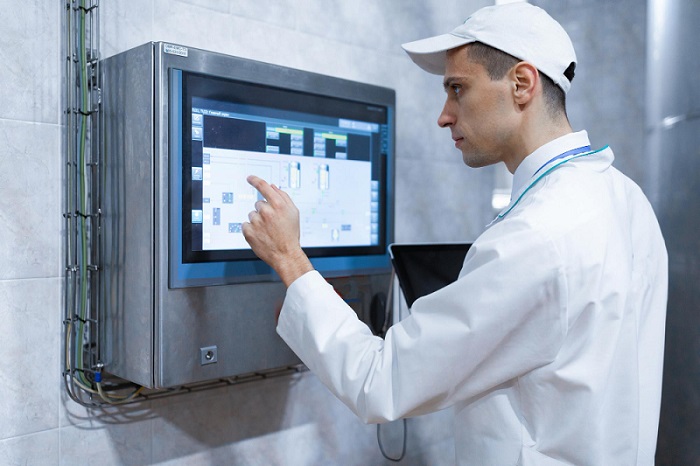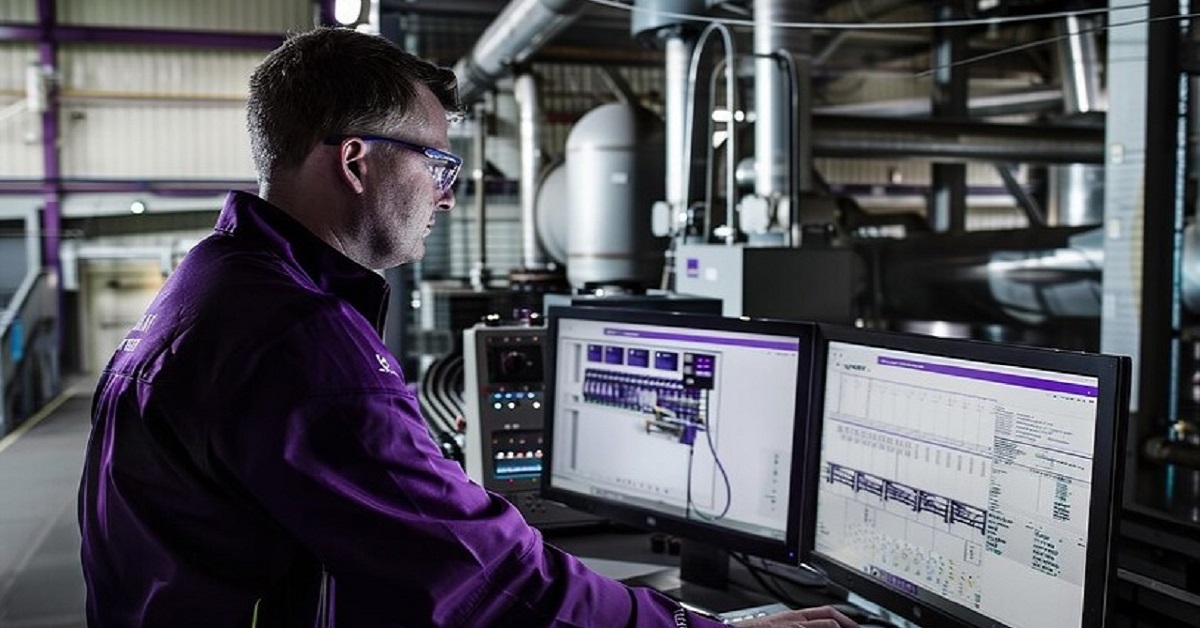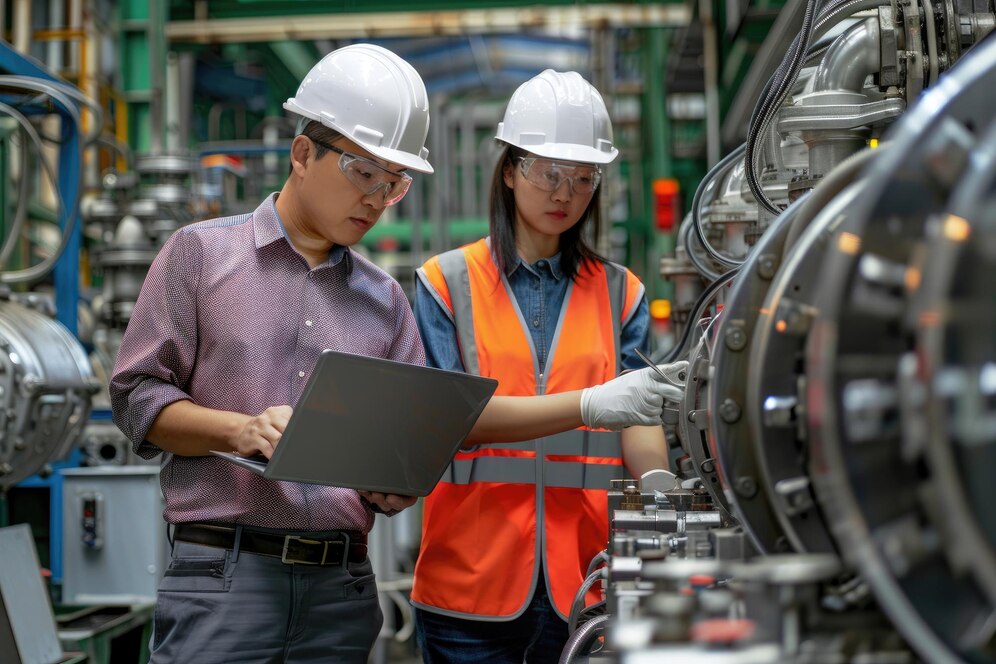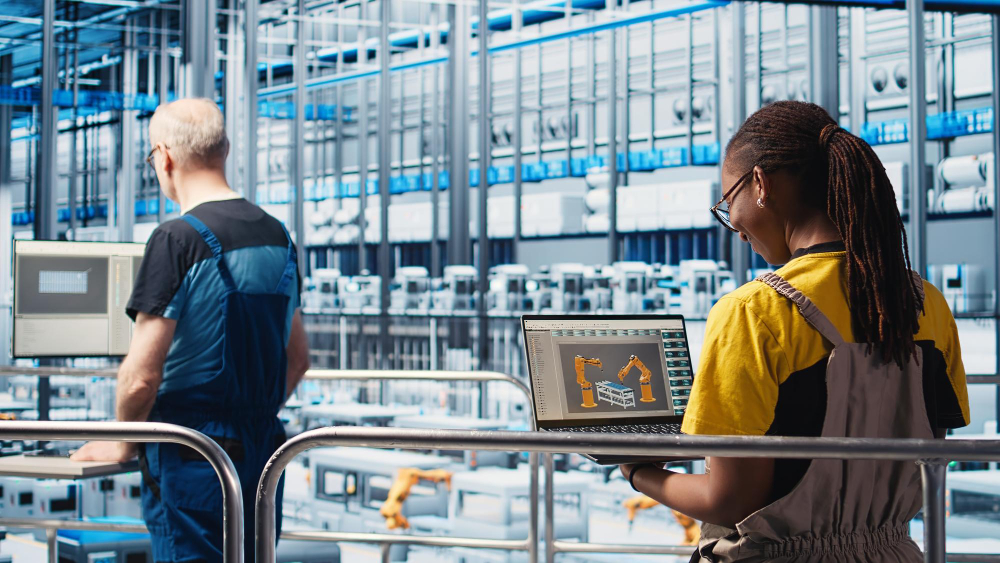
In industries where equipment operates under extreme conditions, monitoring temperature is critical. From manufacturing plants to energy facilities, high-temperature sensor monitoring ensures safety, efficiency, and reliability. These sensors are designed to withstand harsh environments and provide accurate readings, helping businesses prevent costly downtime and equipment damage.
What Is High-Temperature Sensor Monitoring?
High-temperature sensor monitoring refers to the use of specialized sensors that measure and track heat levels in machinery, processes, or environments. Unlike standard sensors, these devices are built to function in extreme conditions, often exceeding 500°C, without losing accuracy or durability.
Key Benefits
- Safety Assurance: Prevents overheating and potential hazards.
- Efficiency: Helps optimize processes by maintaining ideal temperature ranges.
- Cost Savings: Reduces equipment damage and maintenance costs.
- Reliability: Provides consistent performance even in harsh environments.
Why Is High-Temperature Sensor Monitoring Important?
Many industrial processes—such as metal production, chemical processing, and power generation—require precise temperature control. Without proper monitoring, equipment can fail, leading to downtime, safety risks, and financial losses. By implementing high-temperature sensor monitoring, companies can detect issues early and maintain smooth operations.
Applications of High-Temperature Sensor Monitoring
1. Manufacturing
Used in furnaces, kilns, and welding equipment to ensure consistent heat levels.
2. Energy Sector
Monitors turbines, boilers, and reactors to prevent overheating and improve efficiency.
3. Automotive Industry
Tracks engine and exhaust temperatures to enhance performance and safety.
4. Aerospace
Ensures aircraft engines and components operate safely under extreme conditions.
5. Food Processing
Maintains precise heat levels during cooking, baking, and sterilization processes.
Types of High-Temperature Sensors
- Thermocouples: Widely used for their durability and ability to measure extreme temperatures.
- Infrared Sensors: Provide non-contact monitoring, ideal for moving or inaccessible parts.
- Resistance Temperature Detectors (RTDs): Known for accuracy and stability in high-heat environments.
- Fiber Optic Sensors: Effective in environments with electromagnetic interference.
Tips for Choosing the Right Sensor
- Identify the maximum operating temperature of your application.
- Consider whether contact or non-contact measurement is required.
- Evaluate sensor durability and resistance to environmental factors.
- Ensure compatibility with existing monitoring systems.
- Choose trusted suppliers to guarantee authenticity and reliability.
FAQ’s
Q1: What industries use high-temperature sensor monitoring?
Industries such as manufacturing, energy, automotive, aerospace, and food processing rely heavily on these sensors.
Q2: How accurate are high-temperature sensors?
Modern sensors provide highly accurate readings, even in extreme conditions, ensuring reliable monitoring.
Q3: What is the difference between thermocouples and RTDs?
Thermocouples handle higher temperatures, while RTDs offer greater accuracy at moderate ranges.
Q4: Can high-temperature sensors be used in hazardous environments?
Yes, many are designed to withstand harsh conditions, including chemical exposure and electromagnetic interference.
Q5: Why is high-temperature sensor monitoring cost-effective?
It prevents equipment damage, reduces downtime, and extends the lifespan of machinery, saving money long-term.