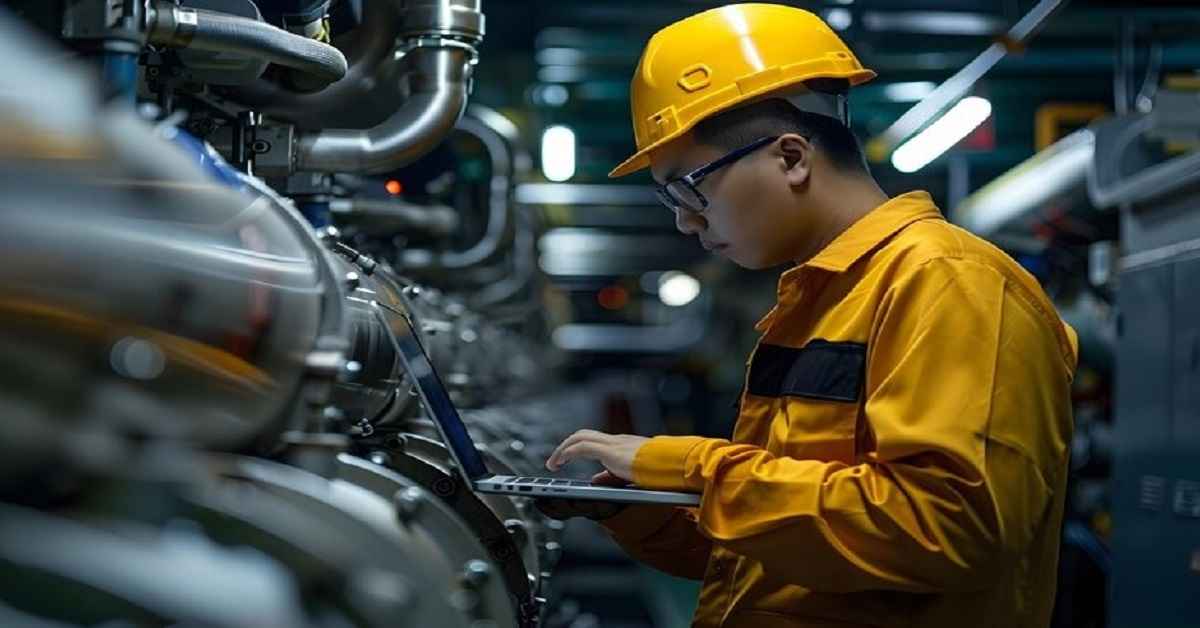
Every business that relies on machinery understands the importance of keeping equipment in excellent working condition. Unexpected breakdowns can disrupt operations, increase repair costs, and reduce productivity. This is why effective equipment maintenance management has become a key part of successful industrial operations. By implementing a structured maintenance strategy, businesses can improve equipment reliability, extend asset life, and reduce costly downtime.
Rather than waiting for equipment to fail, modern maintenance management focuses on preventing problems before they occur. With proper planning, regular inspections, condition monitoring, and data-driven maintenance schedules, organizations can keep critical assets operating efficiently while minimizing disruptions.
Whether you’re managing a manufacturing facility, warehouse, power plant, healthcare organization, or commercial operation, investing in equipment maintenance management supports long-term operational success.
What Is Equipment Maintenance Management?
This is the process of planning, scheduling, monitoring, and performing maintenance activities to ensure equipment remains safe, reliable, and efficient throughout its lifecycle.
The goal is to reduce equipment failures while maximizing productivity and minimizing maintenance costs. Maintenance management combines preventive maintenance, predictive maintenance, inspections, repairs, asset tracking, and performance monitoring into one organized system.
Many organizations also use Computerized Maintenance Management Systems (CMMS) to automate work orders, schedule maintenance tasks, and track equipment history.
Why Equipment Maintenance Management Is Important
Every piece of equipment experiences wear and tear over time. Without regular maintenance, small issues can quickly become major failures.
Reduce Equipment Downtime
Routine inspections and scheduled maintenance help identify problems before they cause unexpected breakdowns.
Improve Asset Reliability
Well-maintained equipment operates more consistently, supporting uninterrupted production.
Lower Maintenance Costs
Preventive repairs are generally less expensive than emergency repairs or complete equipment replacement.
Increase Workplace Safety
Maintaining equipment in good condition reduces the risk of accidents caused by mechanical failures.
These benefits make equipment maintenance management an essential investment for organizations of all sizes.
Types of Equipment Maintenance
Different maintenance strategies are used depending on equipment criticality and operational needs.
Preventive Maintenance
Preventive maintenance involves servicing equipment at scheduled intervals to reduce the likelihood of failure.
Examples include:
- Lubrication
- Filter replacement
- Belt inspections
- Calibration
- Cleaning
Predictive Maintenance
Predictive maintenance uses real-time equipment data to determine when maintenance should be performed.
Common technologies include:
- Vibration analysis
- Temperature monitoring
- Oil analysis
- Ultrasonic testing
- Motor circuit analysis
Corrective Maintenance
Corrective maintenance addresses equipment issues that have already been identified before they become major failures.
Reactive Maintenance
Reactive maintenance occurs only after equipment breaks down. Although sometimes unavoidable, relying solely on reactive maintenance often results in higher costs and longer downtime.
Key Components of Equipment Maintenance Management
An effective maintenance program includes several essential elements.
Asset Inventory
Maintain an accurate record of all equipment, including specifications, maintenance history, and service schedules.
Maintenance Scheduling
Routine maintenance should be planned according to manufacturer recommendations and operating conditions.
Work Order Management
Organized work orders help maintenance teams prioritize tasks and document completed repairs.
Performance Monitoring
Tracking equipment performance helps identify trends and detect potential issues early.
Reporting and Analysis
Maintenance reports provide valuable insights for improving reliability and optimizing maintenance strategies.
Professional equipment maintenance management combines all these components into a structured maintenance program.
Industries That Benefit from Equipment Maintenance Management
Virtually every industry that relies on machinery benefits from proactive maintenance.
Manufacturing
Production equipment requires regular maintenance to maximize uptime and product quality.
Oil and Gas
Pumps, compressors, turbines, and processing equipment require continuous monitoring and maintenance.
Power Generation
Reliable maintenance supports uninterrupted energy production and equipment reliability.
Warehousing and Logistics
Conveyor systems, forklifts, and automated material handling equipment perform best with routine maintenance.
Healthcare
Medical equipment must remain reliable to support patient care and regulatory compliance.
Benefits of a Strong Maintenance Management Program
Organizations implementing effective maintenance management often experience measurable improvements.
Improved Productivity
Reliable equipment minimizes production interruptions and supports consistent operations.
Extended Equipment Lifespan
Regular servicing reduces wear and extends the useful life of valuable assets.
Better Resource Planning
Maintenance schedules allow teams to allocate labor, parts, and resources more efficiently.
Reduced Operational Risk
Early fault detection helps prevent unexpected failures that could disrupt operations.
Data-Driven Decision Making
Maintenance history and performance data support smarter repair and replacement decisions.
Businesses that prioritize equipment maintenance management often see improvements in efficiency, reliability, and overall operating costs.
Best Practices for Effective Equipment Maintenance
To maximize maintenance performance, organizations should follow these best practices.
Develop a Preventive Maintenance Schedule
Routine inspections and servicing help prevent avoidable failures.
Train Maintenance Personnel
Well-trained technicians can identify problems quickly and perform repairs correctly.
Monitor Critical Assets
Focus maintenance efforts on equipment that has the greatest impact on production.
Use Maintenance Software
A CMMS helps organize work orders, maintenance schedules, asset records, and reporting.
Analyze Maintenance Data
Review maintenance history regularly to identify recurring issues and opportunities for improvement.
The Future of Equipment Maintenance Management
Technology continues to transform maintenance operations. Industrial Internet of Things (IIoT), artificial intelligence (AI), cloud-based monitoring, and predictive analytics are helping organizations detect equipment issues earlier and make more informed maintenance decisions.
Smart sensors and automated monitoring systems provide real-time equipment health information, allowing maintenance teams to shift from reactive repairs to predictive maintenance strategies that improve efficiency and reduce costs.
Conclusion
Effective equipment maintenance management is essential for improving equipment reliability, reducing downtime, controlling maintenance costs, and extending asset life. By implementing preventive maintenance, predictive monitoring, and organized maintenance planning, businesses can keep their operations running efficiently while minimizing unexpected equipment failures.
Whether you operate a manufacturing plant, warehouse, utility, healthcare facility, or industrial operation, investing in a structured maintenance management program helps protect valuable assets and supports long-term business success.
Frequently Asked Questions (FAQs)
What is equipment maintenance management?
This is the process of planning, scheduling, tracking, and performing maintenance activities to keep equipment operating safely, efficiently, and reliably.
Why is equipment maintenance management important?
It helps reduce equipment downtime, improve reliability, extend asset lifespan, lower maintenance costs, and increase workplace safety.
What are the main types of equipment maintenance?
The primary maintenance strategies include preventive maintenance, predictive maintenance, corrective maintenance, and reactive maintenance.
Which industries benefit from equipment maintenance management?
Manufacturing, oil and gas, power generation, healthcare, warehousing, transportation, food processing, and many other industries rely on maintenance management to improve equipment performance.
How does maintenance management improve productivity?
By reducing unexpected equipment failures, scheduling maintenance efficiently, and ensuring machinery operates at peak performance, maintenance management minimizes downtime and helps businesses maintain consistent production levels.