In the steel industry, production continuity is essential for success. Unexpected shutdowns, equipment failures, and high maintenance costs can severely compromise profitability.
Critical assets are the backbone of operations—but also the most vulnerable when not adequately monitored. Identifying these assets, understanding their weaknesses, and adopting modern solutions such as smart sensors are key to ensuring operational reliability.
If your plant has faced unplanned downtime or challenges in maintaining critical assets, this article provides a detailed technical guide to turning these issues into opportunities.
High-risk assets: where failures occur most often in the steel industry
Certain equipment in steelmaking operates under extreme conditions, making it more susceptible to failure. These critical assets are essential to production but also represent significant operational risks.
Below, we highlight the assets with the highest criticality and their main failure modes.
Blast furnaces and converters
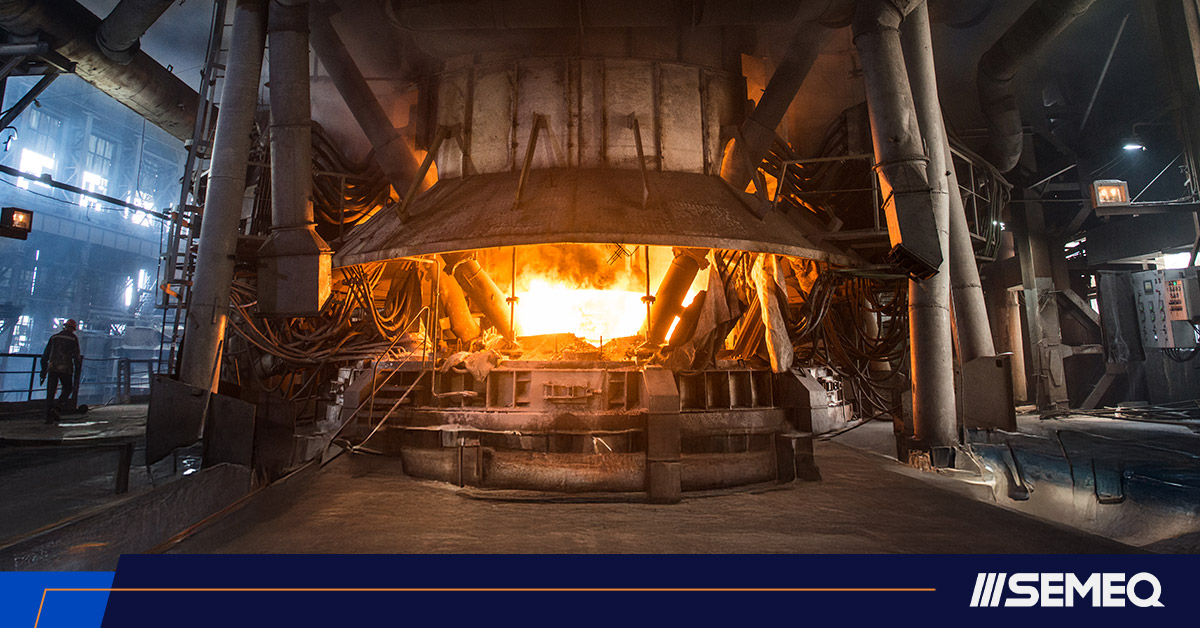
Blast furnaces and converters are the heart of steel production. Operating at extremely high temperatures and under intense pressure, they experience severe thermal stress, and refractory linings deteriorate over time.
Blockages caused by accumulated debris can disrupt material flow, while pumps and fans associated with these systems often show excessive vibration or overheating. A blast furnace failure can halt the entire production line, generating substantial financial losses.
Continuous casting equipment
Continuous casters shape steel into slabs, billets, and other forms. These systems are highly sensitive to roller misalignment, which leads to defects, rework, and lower product quality.
Cooling system failures—critical for mold integrity—are also common and often cause shutdowns. Abnormal mechanical stresses accelerate wear, affecting both efficiency and production continuity.
Rolling mills (hot and cold)
Rolling mills transform semi-finished steel into coils or sheets by operating at high pressure and speed. Roll wear is a recurring issue and directly impacts product quality.
Bearing failures—often due to excessive vibration or inadequate lubrication—can lead to catastrophic breakdowns. Misalignments are also frequent and cause line stoppages, bottlenecks, and delivery delays.
Large industrial fans and exhaust systems
Fans and exhausters ensure ventilation and thermal control in steel plants. Common issues include:
- Rotor imbalance, generating excessive vibration and accelerating wear
- Motor overheating, reducing lifespan, and increasing energy consumption
- Debris buildup, reducing efficiency and airflow
Failures in these systems compromise environmental control and can jeopardize safety and production.
Pumps and pumping systems (cooling water, oil, etc.)
Pumps are essential for cooling and lubrication. Problems such as cavitation damage rotors and reduce efficiency. Seal wear leads to leaks, contamination, and loss of lubrication.
Abnormal vibrations linked to misalignment or bearing wear are also common. A pump failure can compromise cooling systems and cause overheating of other critical assets.
Overhead cranes and material-handling equipment
Overhead cranes move heavy loads such as coils and steel plates. Wear on cables and pulleys increases the risk of accidents, while electrical failures affect control and safety.
Abnormal noises and vibrations often indicate issues in motors or rails. A crane failure can paralyze internal logistics and disrupt the entire plant flow.
Key failure modes: understanding the root causes
Understanding asset failure mechanisms is essential for preventing them. Below are the most common problems, their causes, and their operational impact.
Vibration
Excessive vibration is one of the clearest indicators of mechanical issues such as rotor imbalance, misalignment, or bearing wear.
If ignored, vibration accelerates deterioration, shortens equipment lifespan, and causes unexpected shutdowns.
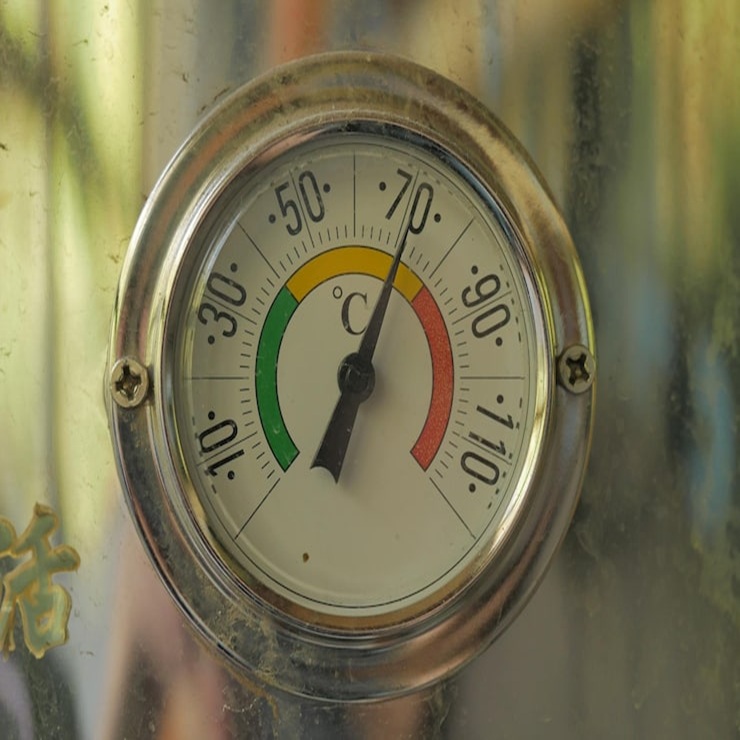
Temperature increase
Temperature rises in motors, bearings, and hydraulic systems may result from improper lubrication, overload, or cooling inefficiencies.
High temperatures can deform components, cause breakage, and generate lengthy production interruptions.
Electrical current variations
Current variations indicate issues like overload, short circuits, or power instability.
These fluctuations can damage motors and control systems, reducing efficiency and compromising safety.
Abnormal noise
Unusual noises are audible warning signs of mechanical problems such as gear wear, play between components, or bearing failures. Ignoring them may lead to severe breakdowns and unplanned downtime.
Oil contamination and degradation
Contamination and chemical degradation in hydraulic and lubrication systems result in:
- Increased friction
- Corrosion
- Reduced system efficiency
Particles, moisture, and oxidation accelerate wear and cause premature equipment failure.
Essential sensors for critical steelmaking assets
Predictive maintenance has reshaped how steel plants manage critical assets. Advanced sensors enable real-time monitoring and early fault detection.
These are the key technologies that strengthen operational reliability:
Vibration sensors
They detect imbalance, misalignment, and bearing wear with high precision, enabling proactive interventions before damage escalates.
Temperature sensors
These devices identify overheating in motors, bearings, and cooling systems. Early detection prevents serious failures and extends equipment life.
Electrical signature sensors
These sensors track variations in current and voltage, identifying overloads, faults, and anomalies—protecting electrical systems from damage.
Thermography
Infrared thermography identifies hot spots, electrical faults, and cooling deficiencies without interrupting operation — an essential tool for preventive inspections.
Oil analysis
Oil analysis identifies:
- Contamination
- Metallic particles indicating wear
- Chemical degradation requiring lubricant replacement
This technique increases equipment life and prevents lubrication failures.
Don’t wait for the next catastrophic failure — protect your critical assets now.
In the steel industry, every unplanned shutdown results in significant losses. Protecting critical assets with predictive maintenance technologies is essential for maintaining competitiveness.
Solutions such as industrial vibration analysis, temperature and electrical sensors, thermography, and oil analysis create a robust defense against equipment failures and strengthen operational reliability.
SEMEQ, a specialist in machine monitoring, provides advanced solutions and technical support to implement these technologies effectively.
Contact us today and learn how to protect your assets with confidence.