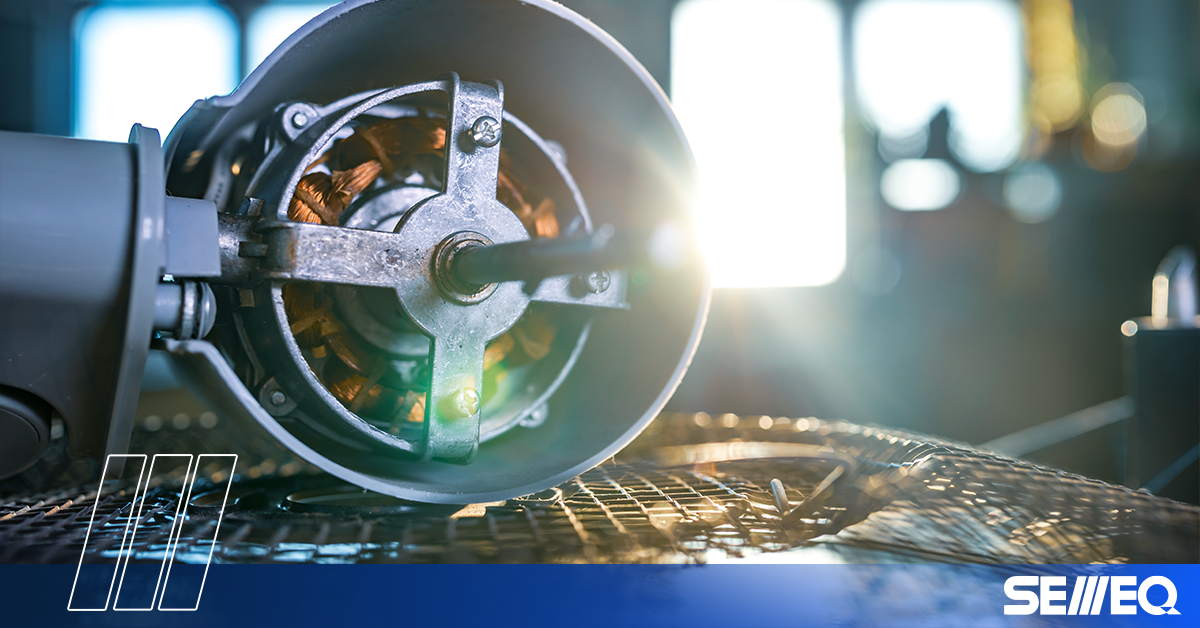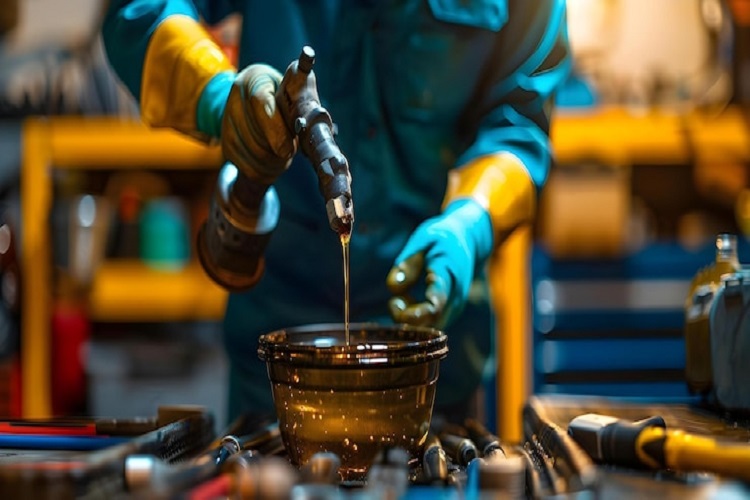
Modern industries depend on complex machinery to maintain productivity, quality, and safety. From manufacturing plants and power stations to mining sites and processing facilities, equipment operates under constant stress. One overlooked yet critical factor behind reliable machine performance is lubrication engineering. Industries rely on it to reduce wear, prevent failures, and ensure smooth, efficient operations.
Understanding Lubrication Engineering
Lubrication engineering is the scientific approach to selecting, applying, monitoring, and managing lubricants used in machinery. It goes beyond simply adding oil or grease. This discipline focuses on understanding friction, load, speed, temperature, and environmental conditions to ensure machines operate with minimal resistance and damage.
When applied correctly, lubrication engineering helps equipment perform efficiently while minimizing mechanical losses and unnecessary stress on components.
Why Lubrication Is Critical in Industrial Machinery
Industrial machines contain moving parts such as bearings, gears, shafts, and motors that constantly interact with one another. Without proper lubrication, these parts experience increased friction, leading to heat buildup, accelerated wear, and premature failure.
Lubrication engineering ensures that the right lubricant is used in the right quantity and applied at the right time. This reduces friction, controls heat, prevents corrosion, and protects surfaces from direct metal-to-metal contact.
Key Reasons Industries Depend on Lubrication Engineering
Reduced Equipment Wear
Friction is one of the leading causes of mechanical damage. Lubrication engineering minimizes friction, helping components last longer and operate more smoothly.Improved Equipment Reliability
Machines that are properly lubricated are less likely to fail unexpectedly. Consistent lubrication practices ensure stable and predictable equipment performance.Lower Maintenance Costs
By preventing excessive wear and breakdowns, lubrication engineering reduces repair frequency and replacement costs. Maintenance becomes planned instead of reactive.Extended Asset Life
Industrial equipment represents a major investment. Effective lubrication strategies protect these assets and significantly extend their operational lifespan.Enhanced Energy Efficiency
Poor lubrication increases resistance and energy consumption. Proper lubrication engineering helps machines run efficiently, reducing energy waste and operating costs.Improved Operational Safety
Overheating, seizure, or sudden equipment failure can create serious safety hazards. Lubrication engineering reduces these risks by maintaining controlled operating conditions.
Applications Across Industries
Lubrication engineering plays a vital role in many sectors, including:
Manufacturing: Ensures smooth operation of conveyors, motors, and production equipment
Power Generation: Protects turbines, generators, and rotating machinery
Oil and Gas: Supports heavy-duty equipment operating under extreme pressure and temperatures
Mining: Reduces wear in harsh, dust-filled environments
Food and Beverage: Maintains hygiene-compliant lubrication while ensuring reliable performance
Steel and Cement Plants: Handles high-load, high-temperature machinery
Each industry requires specific lubrication solutions tailored to its operating conditions.
Lubrication Engineering and Predictive Maintenance
Modern lubrication engineering is closely linked with predictive maintenance. Oil analysis, condition monitoring, and trend analysis help detect early signs of contamination, degradation, or abnormal wear. These insights allow maintenance teams to take corrective action before failures occur.
By combining lubrication practices with monitoring technologies, industries gain deeper visibility into machine health and performance.
Common Mistakes Without Proper Lubrication Engineering
Without a structured lubrication approach, industries often face problems such as over-lubrication, under-lubrication, contamination, and incorrect lubricant selection. These issues can be just as harmful as no lubrication at all. Lubrication engineering prevents these mistakes through standardized procedures and data-driven decisions.
The Future of Lubrication Engineering
As industries move toward automation and smart manufacturing, lubrication engineering continues to evolve. Digital monitoring, lubricant sensors, and analytics are making lubrication management more precise and proactive. These advancements help industries optimize performance while reducing waste and environmental impact.
Conclusion
Industries rely on
Modern industries depend on complex machinery to maintain productivity, quality, and safety. From manufacturing plants and power stations to mining sites and processing facilities, equipment operates under constant stress. One overlooked yet critical factor behind reliable machine performance is lubrication engineering. Industries rely on it to reduce wear, prevent failures, and ensure smooth, efficient operations.