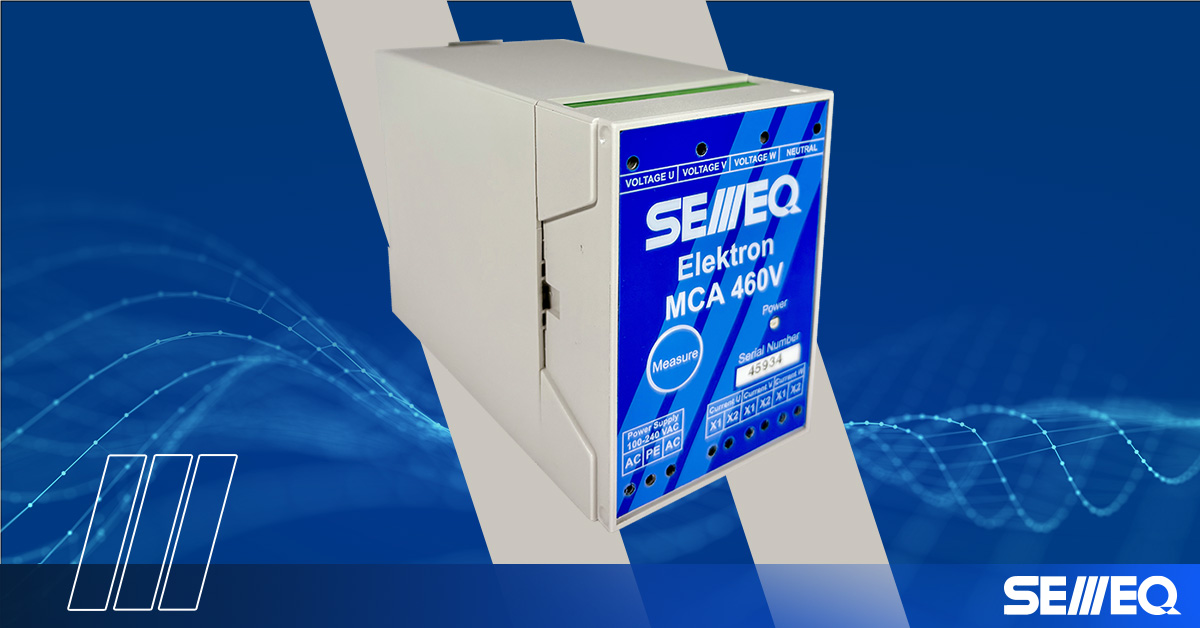
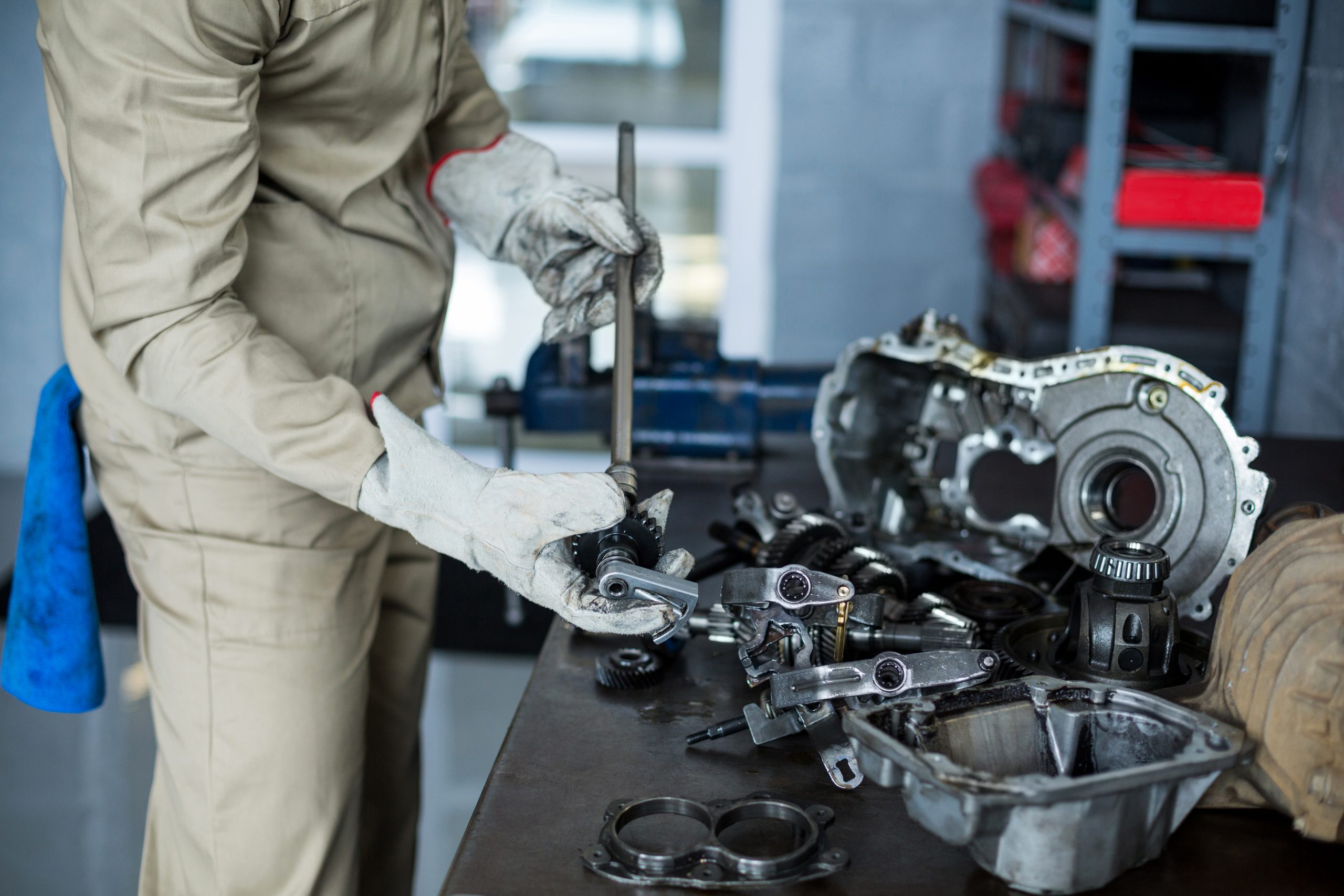
Modern industries depend on machines and equipment to keep daily operations running smoothly. From manufacturing plants and processing facilities to energy and transportation systems, equipment reliability plays an important role in productivity. Unexpected machine failures can cause costly downtime, interrupt production, and increase maintenance expenses. This is why sensors condition monitoring has become an important part of modern industrial maintenance strategies.
Condition monitoring uses sensors and measurement technologies to collect information about the operating condition of machines. This data helps maintenance teams identify unusual changes, detect potential faults, and take action before a minor issue develops into a major failure.
By monitoring equipment performance continuously or at regular intervals, businesses can make better maintenance decisions, improve operational efficiency, and extend the useful life of their assets.
What Is Sensors Condition Monitoring?
Sensors condition monitoring refers to the use of sensors to measure different operating parameters and assess the health of industrial equipment. These sensors collect information that can indicate changes in machine performance or the early development of mechanical and electrical problems.
The collected data may be reviewed by maintenance teams, monitoring software, or automated analytics systems. Depending on the equipment and application, the system can identify unusual readings and generate alerts when measurements move outside expected operating ranges.
Common parameters monitored include:
- Vibration levels
- Temperature changes
- Pressure variations
- Electrical current
- Humidity
- Acoustic signals
- Speed and rotational performance
These measurements help organizations understand how equipment behaves during normal operation and identify signs that maintenance may be required.
Why Is Condition Monitoring Important for Industrial Equipment?
Equipment problems do not always appear suddenly. In many cases, machines show warning signs before a failure occurs. Monitoring these changes helps maintenance teams respond at the right time.
Early Fault Detection
Sensors can identify unusual vibration, temperature increases, or pressure changes that may indicate developing equipment problems. Early detection gives maintenance personnel an opportunity to investigate the issue before it causes significant disruption.
Reduced Unexpected Downtime
Unplanned equipment failure can interrupt production schedules and affect delivery commitments. Condition monitoring helps maintenance teams identify potential risks and plan inspections or repairs more effectively.
Improved Equipment Reliability
Regularly tracking machine performance helps businesses understand equipment behavior over time. This information supports better maintenance planning and helps maintain reliable operations.
Better Maintenance Planning
Instead of relying only on fixed maintenance schedules, businesses can use equipment condition data to make more informed decisions about inspections and servicing. This approach can reduce unnecessary maintenance while helping teams address developing problems.
Types of Sensors Used in Condition Monitoring
Different sensors are used depending on the equipment, operating environment, and parameters that need to be measured.
1. Vibration Sensors
Vibration sensors measure the movement and vibration patterns of rotating machinery. They are commonly used to monitor motors, pumps, fans, compressors, and other rotating equipment.
Changes in vibration patterns may indicate issues such as bearing wear, imbalance, misalignment, or mechanical looseness. Maintenance teams can analyze these readings to identify potential problems.
2. Temperature Sensors
Temperature sensors monitor heat levels in equipment and industrial processes. Unusual temperature increases can indicate friction, cooling problems, electrical faults, or excessive operating loads.
Monitoring temperature helps operators identify abnormal conditions and investigate possible causes before equipment performance is affected.
3. Pressure Sensors
Pressure sensors measure pressure levels in hydraulic systems, pneumatic equipment, pipelines, pumps, and other industrial applications.
Unexpected pressure changes may indicate leaks, blockages, valve problems, or system inefficiencies. Monitoring pressure helps maintenance teams maintain stable operating conditions.
4. Acoustic Sensors
Acoustic sensors detect sound patterns produced by machines and equipment. Changes in noise levels or sound frequency may indicate mechanical wear, friction, leakage, or other developing issues.
These sensors can support condition monitoring in applications where sound provides useful information about equipment performance.
5. Current and Voltage Sensors
Electrical sensors monitor current and voltage in motors, electrical panels, and other equipment. Unusual electrical readings may indicate overload conditions, insulation problems, or changes in motor performance.
Combining electrical measurements with vibration and temperature data can provide a more complete picture of equipment health.
How Sensors Condition Monitoring Works
A condition monitoring system generally follows a series of steps to collect and evaluate equipment data.
Step 1: Sensor Installation
Sensors are installed at suitable measurement points on or near the equipment. Their location depends on the machine design and the type of condition being monitored.
Step 2: Data Collection
The sensors collect information such as vibration, temperature, pressure, or electrical readings. Data may be gathered continuously or at scheduled intervals.
Step 3: Data Analysis
Monitoring software or trained personnel review the collected information. Readings are compared with expected operating conditions, historical measurements, and relevant equipment limits.
Step 4: Alerts and Reporting
When readings indicate an unusual condition, the system may generate an alert. Maintenance teams can review the information and decide whether further inspection or corrective action is necessary.
Step 5: Maintenance Action
Based on the findings, technicians may inspect components, perform repairs, adjust operating conditions, or schedule maintenance.
This process helps organizations move toward a more proactive approach to equipment care.
Benefits of Using Sensors Condition Monitoring
Implementing sensors condition monitoring can provide several operational advantages when the system is properly selected and maintained.
Lower Maintenance Costs
Identifying developing problems early may help prevent extensive equipment damage. Businesses can also reduce unnecessary component replacement by making maintenance decisions based on actual equipment conditions.
Longer Equipment Life
Monitoring important operating parameters helps maintenance teams identify conditions that may contribute to premature wear. Timely corrective action can support longer equipment service life.
Improved Workplace Safety
Equipment operating outside normal conditions can create potential safety concerns. Monitoring helps teams identify certain abnormal conditions and investigate them before they become more serious.
Better Production Efficiency
Reliable equipment supports consistent production schedules. By identifying potential faults early, businesses can reduce disruptions and improve overall operational planning.
Data-Based Decision-Making
Historical sensor data helps organizations understand recurring problems, compare machine performance, and make more informed maintenance decisions.
Industries That Use Condition Monitoring Sensors
Condition monitoring is useful across industries that depend on machinery and complex equipment.
- Manufacturing: Monitoring motors, conveyors, pumps, and production machinery.
- Oil and gas: Tracking equipment performance in pumps, compressors, and processing systems.
- Power generation: Monitoring turbines, generators, and supporting equipment.
- Automotive: Assessing machinery used in production and assembly operations.
- Mining: Monitoring heavy equipment and machinery operating under demanding conditions.
- Water and wastewater: Tracking pumps, motors, and pressure-related systems.
The type of sensor and monitoring strategy should be selected according to the operating environment and the equipment’s criticality.
How to Choose the Right Condition Monitoring Sensors
Selecting suitable sensors requires an understanding of the equipment and the problems a business wants to detect.
Identify the Equipment Requirements
Start by listing the machines that need monitoring and identifying their most important operating parameters. A rotating motor may require vibration and temperature monitoring, while a hydraulic system may need pressure measurements.
Consider the Operating Environment
Temperature, moisture, dust, vibration, and hazardous conditions can affect sensor selection. Choose equipment with suitable environmental ratings and installation requirements.
Check Accuracy and Measurement Range
Sensors should provide measurements within the range required for the application. Consider accuracy, sensitivity, response time, and compatibility with the monitoring system.
Evaluate Data Integration
Check whether the sensors can communicate with existing control systems, monitoring platforms, or industrial software. Reliable data integration makes it easier for maintenance teams to review equipment performance.
Plan for Calibration and Maintenance
Sensors also require periodic checks to maintain measurement reliability. Follow manufacturer recommendations for calibration, inspection, and replacement.
Conclusion
Sensors condition monitoring is an effective way to understand equipment health and support more proactive industrial maintenance. By tracking parameters such as vibration, temperature, pressure, and electrical performance, businesses can identify unusual operating conditions and make informed maintenance decisions.
From manufacturing and energy to mining and water treatment, condition monitoring sensors help organizations improve equipment reliability, reduce unexpected downtime, and support safer operations.
Choosing the right sensors, installing them correctly, and reviewing the collected data regularly are essential steps toward building a reliable condition monitoring strategy.
Frequently Asked Questions (FAQs)
1. What is sensors condition monitoring?
Sensors condition monitoring is the use of sensors to measure equipment parameters such as vibration, temperature, pressure, and electrical performance. The collected data helps identify abnormal operating conditions and potential equipment faults.
2. Which sensors are commonly used for condition monitoring?
Common types include vibration sensors, temperature sensors, pressure sensors, acoustic sensors, and current or voltage sensors. The appropriate type depends on the equipment and the condition being monitored.
3. How do condition monitoring sensors help prevent equipment failure?
These sensors detect changes in equipment behavior that may indicate developing faults. Maintenance teams can investigate unusual readings and schedule corrective action before certain problems lead to major breakdowns.
4. Which industries benefit from sensors condition monitoring?
Manufacturing, oil and gas, power generation, mining, automotive, and water treatment industries can benefit from condition monitoring because they rely on machinery that requires regular performance monitoring.
5. What is the difference between condition monitoring and predictive maintenance?
Condition monitoring involves measuring and evaluating equipment health using sensor data and other inspection methods. Predictive maintenance uses condition information, historical data, and analysis to estimate when maintenance may be needed.