In today’s competitive industrial environment, businesses can no longer rely solely on reactive maintenance strategies. Waiting for equipment to fail before fixing it leads to costly downtime and operational disruptions. This is where predictive and prescriptive maintenance come into play.
It use advanced data analytics, sensors, and intelligent systems to monitor equipment health and recommend actions before problems occur. These modern maintenance approaches help organizations improve reliability, reduce costs, and increase overall efficiency.
What Is Predictive Maintenance
and Prescriptive Maintenance?
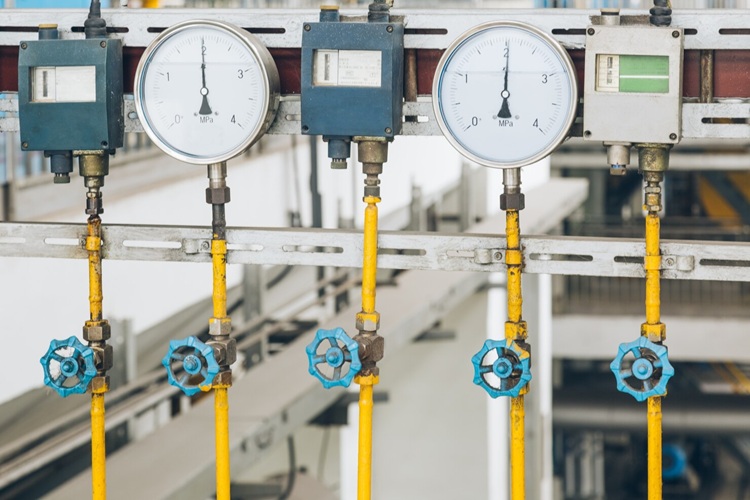
Predictive maintenance focuses on using real-time data to predict when equipment might fail. Sensors collect information such as temperature, vibration, pressure, and performance trends. By analyzing this data, maintenance teams can schedule repairs at the right time — not too early and not too late.
Prescriptive maintenance takes this one step further. It not only predicts potential failures but also recommends specific corrective actions. In other words, this maintenance work together to identify issues and suggest the best solution.
Why Predictive and Prescriptive Maintenance Matter
Reduced Downtime
Unplanned breakdowns can disrupt production and impact revenue. It detect early warning signs, allowing teams to act before failures occur.
Lower Maintenance Costs
Traditional maintenance often leads to unnecessary part replacements or emergency repairs. Data-driven insights help optimize maintenance schedules and reduce overall costs.
Improved Equipment Lifespan
By addressing issues early, equipment experiences less wear and stress. It extend asset life and improve return on investment.
Enhanced Workplace Safety
Early fault detection reduces the risk of hazardous failures, improving safety for employees and facilities.
How Predictive Maintenance and Prescriptive Maintenance Work
Data Collection
Sensors and monitoring devices gather real-time data from machines. This may include vibration patterns, temperature levels, oil quality, and performance metrics.
Data Analysis
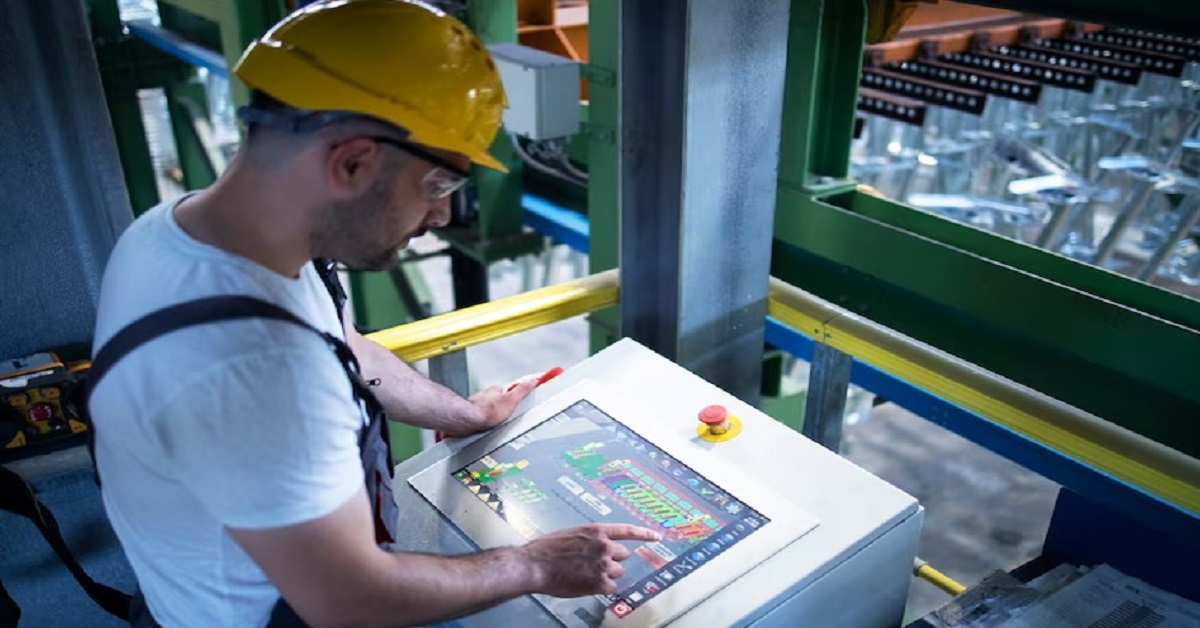
Advanced software analyzes collected data using algorithms and machine learning models to detect anomalies and patterns.
Actionable Recommendations
While predictive maintenance forecasts potential failures, prescriptive maintenance provides clear recommendations for corrective actions, such as part replacement or system adjustments.
Industries Benefiting from Predictive and Prescriptive Maintenance
Manufacturing
Production lines depend on continuous operation. It help prevent costly shutdowns.
Energy and Utilities
Power plants and utility companies rely on consistent equipment performance. Early detection ensures stable energy supply.
Oil and Gas
Complex and high-risk environments require proactive maintenance to avoid operational hazards.
Transportation and Logistics
Fleet operators use this maintenance to monitor vehicle health and reduce unexpected breakdowns.
Benefits of Implementing Predictive and Prescriptive Maintenance
Organizations adopting these strategies often experience:
- Increased operational efficiency
- Better resource planning
- Reduced emergency repair costs
- Higher asset reliability
- Data-driven decision-making
By integrating this maintenance into operations, companies shift from reactive repairs to proactive asset management.
Challenges to Consider
While this maintenance offer significant advantages, implementation requires:
- Investment in monitoring technology
- Skilled data analysis capabilities
- Integration with existing systems
However, the long-term benefits typically outweigh the initial setup costs.
Conclusion
Maintenance strategies are evolving rapidly. Businesses that rely on outdated, reactive approaches risk falling behind. Predictive and prescriptive maintenance provide a smarter, more efficient way to manage assets and prevent costly downtime.
By leveraging real-time data and advanced analytics, organizations can improve reliability, extend equipment lifespan, and make informed maintenance decisions. In a data-driven world, these are no longer optional — they are essential for sustainable growth.
Frequently Asked Questions (FAQs)
1. What is predictive maintenance and prescriptive maintenance?
It use real-time data and analytics to forecast equipment failures and recommend corrective actions before breakdowns occur.
2. How does predictive maintenance differ from prescriptive maintenance?
Predictive maintenance identifies when a failure might happen, while prescriptive maintenance suggests the best action to prevent or fix the issue.
3. What technologies support predictive and prescriptive maintenance?
Sensors, IoT devices, machine learning algorithms, and data analytics platforms are commonly used to enable this maintenance.
4. Is predictive and prescriptive maintenance suitable for small businesses?
Yes, scalable solutions are available for businesses of all sizes, allowing small and medium enterprises to benefit from proactive maintenance strategies.
5. How does this maintenance improve ROI?
By reducing downtime, minimizing repair costs, and extending equipment lifespan, it improve overall operational efficiency and return on investment.