Modern industries rely on machinery to maintain productivity, meet customer demands, and keep operations running efficiently. However, unexpected equipment failures can result in costly downtime, expensive repairs, and reduced production. This is why many organizations are investing in machine performance monitoring services to gain better visibility into the health and performance of their equipment.
Machine performance monitoring uses advanced sensors, data analysis, and condition monitoring technologies to continuously evaluate how machines are operating. Instead of waiting for equipment to fail, businesses can detect early warning signs, schedule maintenance at the right time, and improve overall asset reliability.
Whether you’re in manufacturing, energy, mining, food processing, logistics, or heavy industry, machine performance monitoring services provide valuable insights that help protect critical equipment and optimize operational performance.
What Are Machine Performance Monitoring Services?
Machine performance monitoring services involve continuously tracking the condition and operational performance of industrial equipment using specialized monitoring tools and data analysis.
These services collect information from machinery, including:
- Vibration levels
- Temperature
- Motor performance
- Bearing condition
- Lubrication quality
- Rotational speed
- Power consumption
- Acoustic signals
The collected data is analyzed to identify abnormal operating conditions before they develop into serious equipment failures.
Why Machine Performance Monitoring Is Important
Industrial equipment operates under demanding conditions every day. Even small mechanical issues can eventually lead to major breakdowns if left undetected.
Reduces Unexpected Downtime
Continuous monitoring helps maintenance teams detect developing problems before equipment fails unexpectedly.
Improves Equipment Reliability
Monitoring allows organizations to keep machines operating at peak performance for longer periods.
Lowers Maintenance Costs
Rather than performing unnecessary maintenance or emergency repairs, maintenance activities can be planned based on actual equipment condition.
Extends Equipment Life
Early detection of wear helps prevent excessive damage and prolongs the lifespan of valuable machinery.
These advantages make machine performance monitoring services an important investment for organizations focused on operational excellence.
How Machine Performance Monitoring Works
Modern monitoring systems use a combination of sensors, software, and expert analysis.
Data Collection
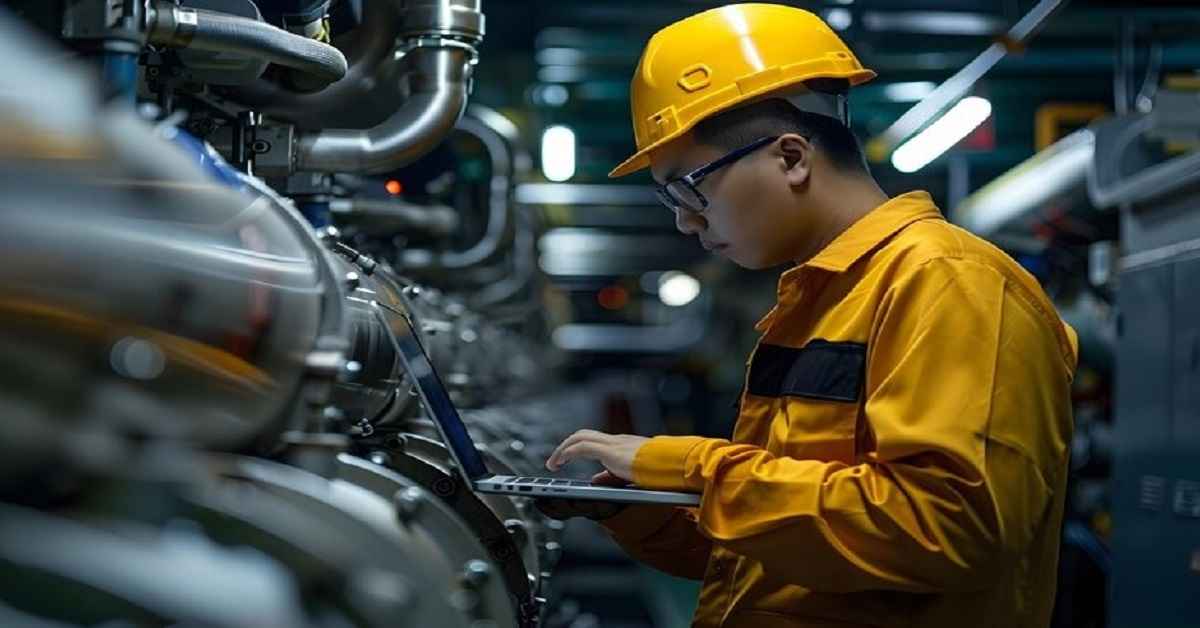
Sensors installed on equipment continuously collect operating data from critical machine components.
Real-Time Monitoring
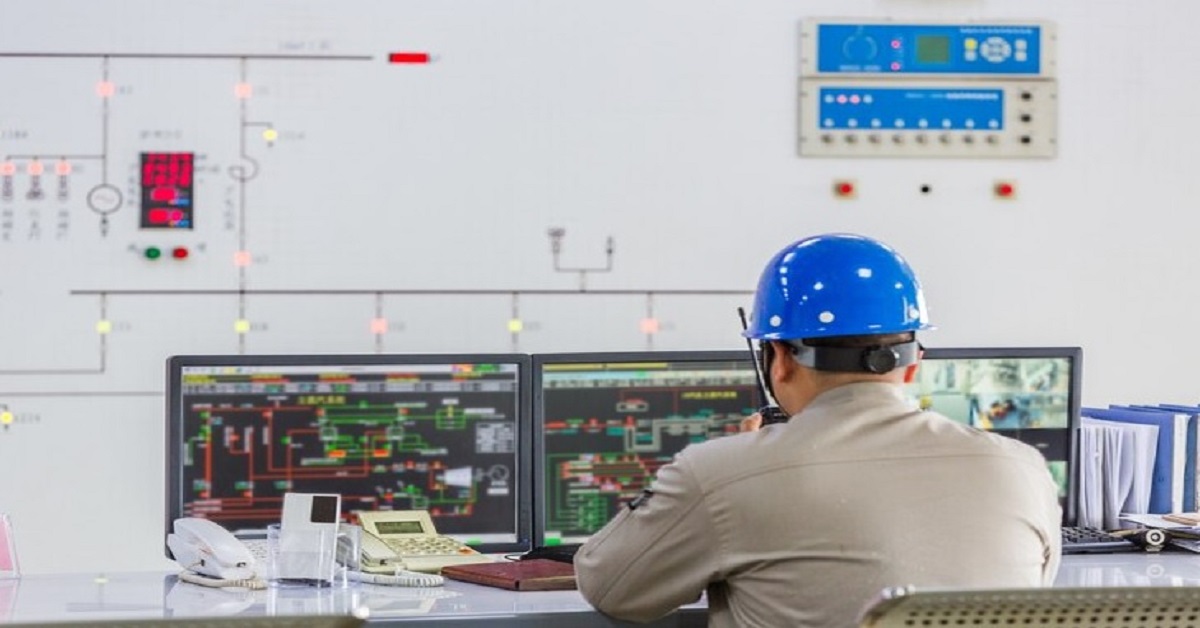
Information is transmitted to monitoring systems where equipment performance is evaluated in real time.
Condition Analysis
Advanced analytics identify patterns that may indicate developing mechanical or electrical issues.
Maintenance Recommendations
When abnormal conditions are detected, maintenance teams receive alerts that allow them to schedule inspections or repairs before failures occur.
This proactive approach helps improve maintenance planning and minimize production disruptions.
Technologies Used in Machine Performance Monitoring
Several technologies work together to provide a complete picture of machine health.
Vibration Analysis
Vibration monitoring identifies issues such as bearing wear, imbalance, shaft misalignment, and mechanical looseness.
Thermal Monitoring
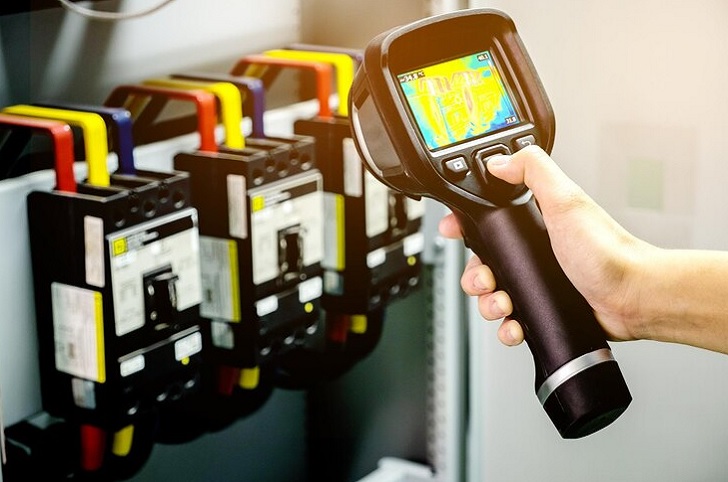
Temperature sensors help detect overheating components that may indicate equipment problems.
Oil Analysis
Lubricant testing provides information about contamination, wear particles, and lubricant condition.
Ultrasonic Monitoring
Ultrasonic technology detects compressed air leaks, electrical discharge, and early bearing defects.
Motor Performance Monitoring
Electrical monitoring evaluates motor health by measuring current, voltage, and power quality.
Many machine performance monitoring services combine several of these technologies to deliver comprehensive equipment diagnostics.
Industries That Benefit from Machine Performance Monitoring
Condition monitoring is valuable across many industries.
Manufacturing
Production facilities rely on monitoring to reduce downtime and maintain consistent output.
Energy and Utilities
Power generation equipment requires continuous monitoring to ensure safe and reliable operation.
Mining
Heavy mining equipment operates in demanding environments where early fault detection is essential.
Food and Beverage Processing
Reliable machinery helps maintain production schedules and product quality.
Logistics and Warehousing
Conveyor systems, motors, and automated equipment benefit from continuous performance monitoring.
Benefits of Professional Monitoring Services
Working with experienced monitoring specialists offers several advantages.
Early Fault Detection
Small equipment issues can be identified before they become major failures.
Better Maintenance Planning
Maintenance can be scheduled based on equipment condition rather than fixed intervals.
Reduced Repair Costs
Addressing problems early often prevents costly emergency repairs and secondary equipment damage.
Improved Productivity
Reliable equipment supports uninterrupted production and greater operational efficiency.
Data-Driven Decisions
Accurate equipment data helps organizations make informed maintenance and investment decisions.
These benefits make machine performance monitoring services an essential part of modern predictive maintenance programs.
Best Practices for Successful Monitoring
To maximize the value of monitoring services, organizations should:
Identify Critical Equipment
Focus monitoring efforts on machinery that has the greatest impact on production.
Monitor Regularly
Continuous or scheduled monitoring provides more accurate trend analysis than occasional inspections.
Train Maintenance Teams
Ensure personnel understand monitoring reports and recommended corrective actions.
Maintain Accurate Records
Equipment history helps identify recurring issues and improve maintenance strategies.
Combine Monitoring Technologies
Using multiple diagnostic methods provides a more complete understanding of equipment health.
Conclusion
Keeping industrial equipment operating efficiently requires more than routine maintenance. Machine performance monitoring services provide real-time insights that help organizations detect problems early, reduce unplanned downtime, and improve overall equipment reliability.
By combining advanced monitoring technologies with expert analysis, businesses can extend asset life, reduce maintenance costs, and make better operational decisions. Whether you manage a manufacturing facility, processing plant, utility, or logistics operation, investing in machine performance monitoring is a proactive step toward long-term operational success.
Frequently Asked Questions (FAQs)
What are machine performance monitoring services?
Machine performance monitoring services involve tracking equipment condition using sensors, diagnostic tools, and data analysis to detect potential problems before equipment fails.
Why are machine performance monitoring services important?
They help reduce downtime, improve equipment reliability, lower maintenance costs, extend machine life, and support predictive maintenance strategies.
Which industries benefit from machine performance monitoring?
Manufacturing, energy, mining, food processing, pharmaceuticals, logistics, transportation, and many other industrial sectors benefit from continuous equipment monitoring.
What technologies are commonly used in machine performance monitoring?
Common technologies include vibration analysis, thermal imaging, oil analysis, ultrasonic testing, motor current analysis, and real-time sensor monitoring.
How do machine performance monitoring services reduce maintenance costs?
By identifying equipment issues early, businesses can schedule maintenance before failures occur, reducing emergency repairs, minimizing downtime, and preventing costly secondary damage.