Keeping industrial machinery in good working condition is essential for maintaining productivity, safety, and consistent operations. When equipment breaks down unexpectedly, businesses can face production delays, expensive repairs, and lost revenue. A structured maintenance strategy can help reduce these risks, and modern technology makes that strategy easier to manage.
Machine maintenance software provides businesses with digital tools to organize maintenance activities, monitor equipment, schedule inspections, track work orders, and maintain service records. Instead of depending on spreadsheets, paper documents, or manual reminders, maintenance teams can use a centralized system to manage important equipment information.
Whether a company operates a small workshop or a large manufacturing facility, the right maintenance software can help create a more organized and proactive approach to equipment care.
What Is Machine Maintenance Software?
Machine maintenance software is a digital platform designed to help maintenance teams manage machinery, equipment, service schedules, inspections, repairs, and related tasks.
Depending on the software, businesses may be able to create equipment profiles, assign maintenance tasks, track spare parts, schedule preventive maintenance, record repair history, and monitor maintenance costs.
The goal is to give maintenance managers and technicians a clear overview of equipment condition and upcoming work.
Centralized Equipment Records
Instead of searching through paper files or separate spreadsheets, teams can store equipment information in one centralized system.
Maintenance Scheduling
The software can help maintenance managers schedule recurring inspections, lubrication, servicing, calibration, and other preventive tasks.
Work Order Management
Technicians can receive assigned work orders and record what was inspected, repaired, replaced, or completed.
Why Businesses Need Better Maintenance Management
Equipment maintenance can become difficult to manage as the number of machines increases. A manual approach may work for a small operation, but it can become inefficient when maintenance teams are responsible for hundreds of assets.
Reduce Unexpected Downtime
Regular maintenance can help identify potential equipment problems before they result in unexpected failures.
Improve Equipment Reliability
Consistent inspections and servicing help keep machinery operating according to manufacturer and operational requirements.
Control Maintenance Costs
Tracking repairs, parts, labor, and recurring maintenance expenses can help businesses identify where money is being spent.
Improve Productivity
Reliable equipment allows production teams to spend less time waiting for machinery to be repaired.
Key Features of Machine Maintenance Software
Different platforms offer different capabilities, but several features are particularly useful for industrial maintenance teams.
Preventive Maintenance Scheduling
Preventive maintenance helps teams plan service activities before equipment develops a serious problem. Software can generate recurring tasks based on time, usage, operating hours, or other predefined schedules.
Work Order Management
Maintenance managers can create, assign, prioritize, and track work orders. Technicians can update the status of tasks and record completed work.
Equipment History
A detailed maintenance history can show when equipment was serviced, what repairs were performed, which components were replaced, and how frequently problems occur.
Parts and Inventory Tracking
Some platforms allow teams to monitor spare parts and maintenance supplies. This can help prevent situations where a critical repair is delayed because a replacement component is unavailable.
Maintenance Reporting
Reports can provide useful information about downtime, repair costs, completed work, overdue tasks, and equipment performance.
Preventive Maintenance vs. Reactive Maintenance
Traditional maintenance programs often rely heavily on reactive maintenance. In this approach, technicians repair equipment after it breaks down.
While reactive maintenance is sometimes unavoidable, relying on it too heavily can create significant costs.
Preventive maintenance takes a more proactive approach. Maintenance teams schedule inspections and servicing before equipment fails.
Benefits of Preventive Maintenance
Preventive maintenance can help:
- Reduce unexpected equipment failures
- Extend machinery service life
- Improve operational reliability
- Reduce emergency repair costs
- Improve maintenance planning
- Support safer working conditions
Machine maintenance software makes preventive maintenance easier by automatically organizing schedules and reminding teams about upcoming tasks.
How Software Helps Maintenance Teams
Maintenance teams often manage multiple priorities at the same time. A digital platform can help organize daily responsibilities.
Technicians
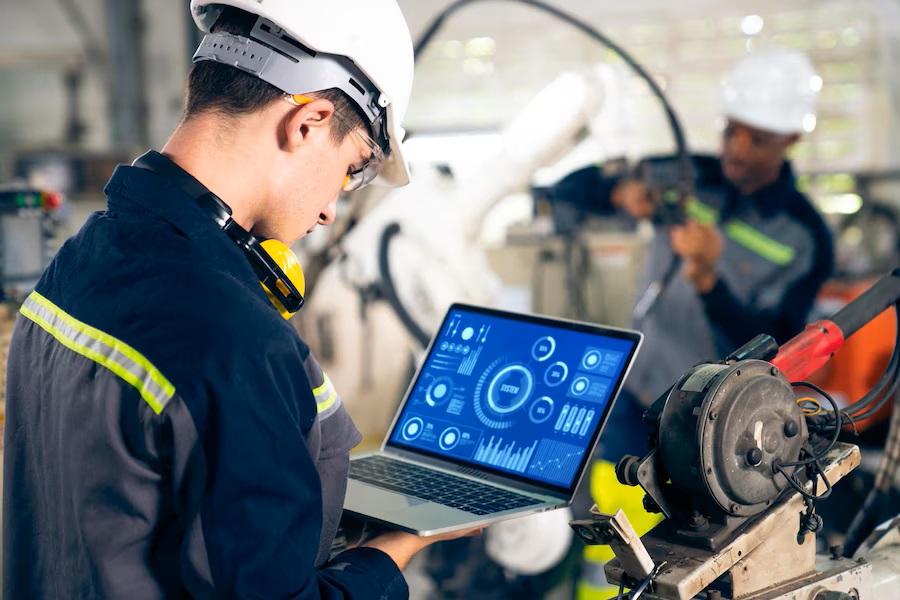
Technicians can access work orders, equipment information, maintenance instructions, and service history from a centralized system.
Maintenance Managers
Managers can monitor completed and overdue tasks, assign work, track costs, and review maintenance performance.
Operations Teams
Production managers can gain better visibility into equipment availability and planned maintenance activities.
Management
Business leaders can use reports to understand maintenance spending, downtime trends, and overall asset reliability.
Choosing the Right Maintenance Software
Selecting the right platform requires consideration of the company’s equipment, workforce, maintenance strategy, and operational goals.
Consider Ease of Use
Software should be straightforward for technicians and managers to use. A complicated platform may result in poor adoption.
Look at Scalability
Choose a solution that can accommodate additional equipment, facilities, users, and maintenance requirements as the business grows.
Check Mobile Accessibility
Mobile access can be valuable for technicians who need to update work orders while working directly on equipment.
Evaluate Reporting
Look for reporting tools that provide useful information about maintenance activity, downtime, costs, and equipment performance.
Consider Integrations
If your business already uses ERP, inventory, production, or asset-management systems, check whether the maintenance platform can integrate with them.
How Machine Maintenance Software Supports Predictive Maintenance
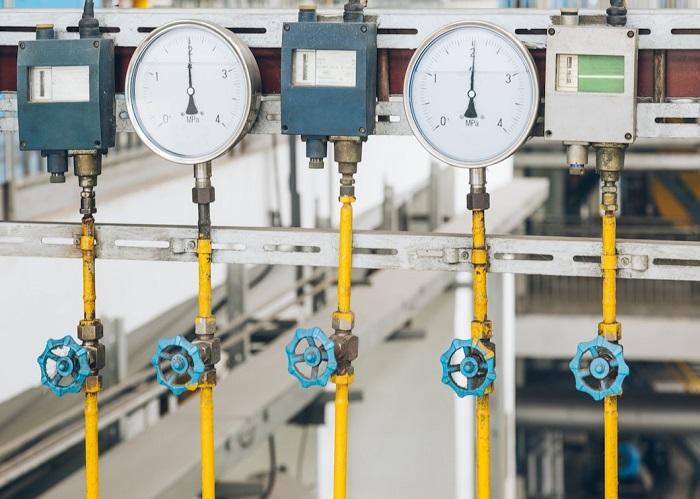
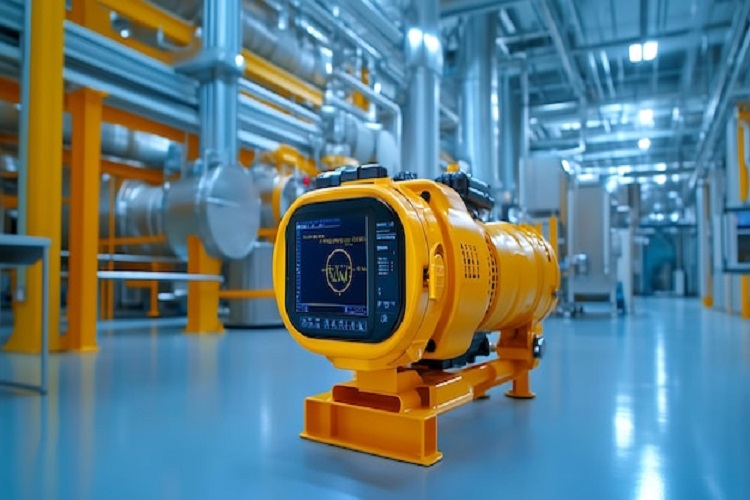
Modern maintenance strategies increasingly use real-time equipment data to identify developing problems. Sensors can monitor factors such as temperature, vibration, pressure, current, and operating conditions.
When this information is combined with maintenance records, teams can identify patterns that may indicate equipment deterioration.
For example, a gradual increase in vibration combined with repeated maintenance issues could indicate that a machine requires closer inspection.
This approach can help businesses move from simply scheduling maintenance to making maintenance decisions based on actual equipment conditions.
Benefits of Going Digital
Moving from paper-based maintenance records to digital management can provide several advantages.
Better Organization
All important equipment and maintenance information can be stored in one accessible location.
Faster Information Retrieval
Technicians can quickly find service history and previous repair information when investigating a problem.
Improved Accountability
Assigned work orders create clear responsibilities and help managers track completion.
Better Decision-Making
Historical maintenance data can reveal recurring problems, high-cost equipment, and opportunities for improvement.
Conclusion
Effective equipment maintenance is essential for businesses that depend on reliable machinery. Machine maintenance software helps maintenance teams organize work orders, schedule preventive maintenance, track equipment history, manage spare parts, and monitor maintenance performance.
By replacing scattered spreadsheets and paper records with a centralized digital system, businesses can improve visibility and create a more proactive maintenance strategy. The right platform can also support predictive maintenance initiatives by combining maintenance records with real-time equipment data.
Before choosing a solution, businesses should consider usability, scalability, mobile access, reporting, integrations, and the specific requirements of their maintenance operation. With a well-planned digital maintenance strategy, companies can improve equipment reliability, reduce avoidable downtime, and support more efficient operations.
Frequently Asked Questions
1. What is machine maintenance software?
Machine maintenance software is a digital tool that helps businesses manage equipment maintenance, work orders, inspections, preventive maintenance schedules, repair records, spare parts, and maintenance reporting.
2. How does machine maintenance software reduce downtime?
It helps teams schedule preventive maintenance, track equipment problems, monitor overdue tasks, and maintain detailed service records. These capabilities can help identify and address potential issues before they result in unexpected failures.
3. Can maintenance software manage preventive maintenance?
Yes. Most maintenance platforms provide scheduling features that allow businesses to create recurring maintenance tasks based on dates, machine usage, operating hours, or other conditions.
4. Is machine maintenance software useful for small businesses?
Yes. Small businesses can also benefit from centralized maintenance records, automated reminders, work-order tracking, and equipment history. The appropriate solution depends on the company’s size and maintenance requirements.
5. Can machine maintenance software support predictive maintenance?
Yes. Some platforms can integrate with equipment monitoring systems and sensor data. Combining maintenance history with real-time condition data can help teams identify equipment trends and support predictive maintenance strategies.