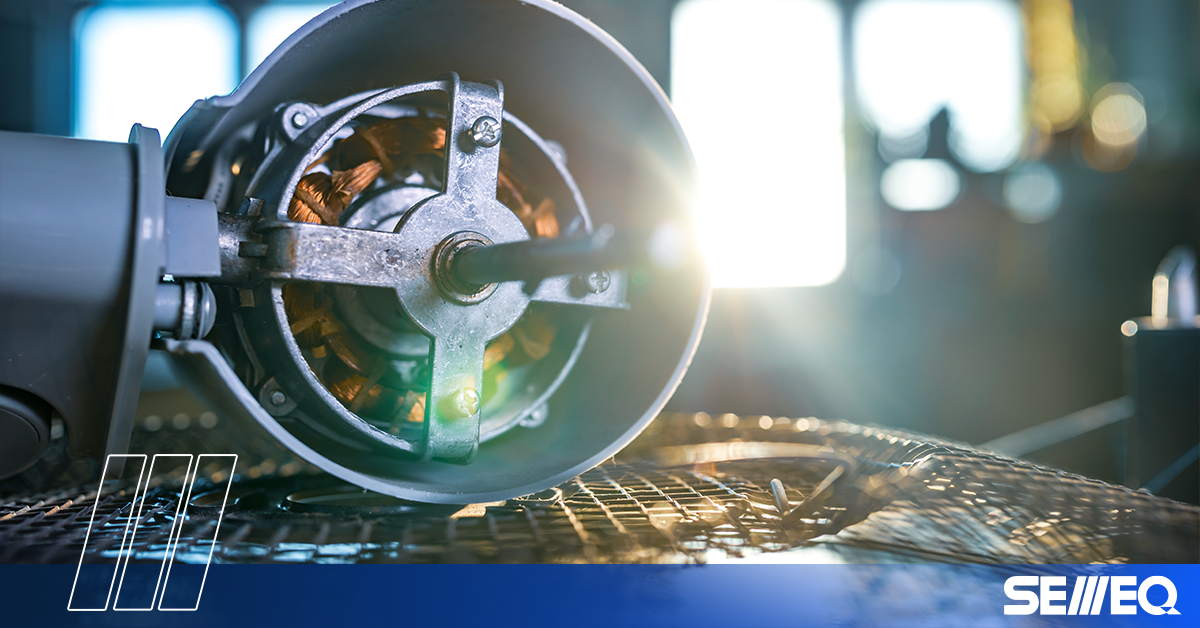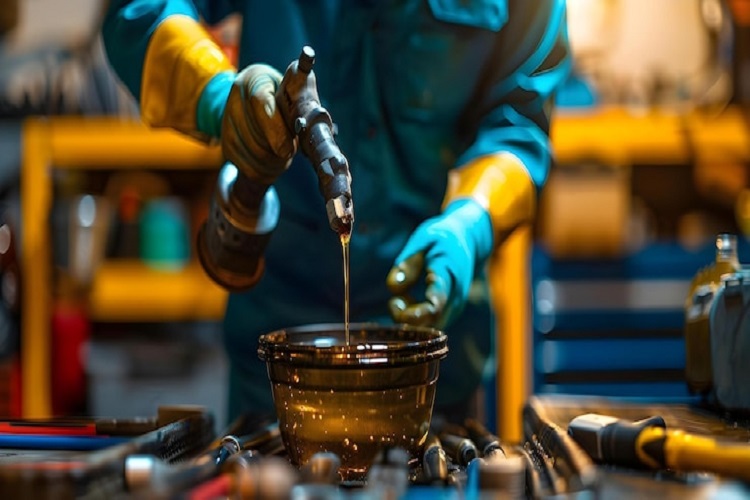
Industrial machinery operates under demanding conditions every day. From manufacturing plants to power generation facilities, machines rely on proper maintenance to perform efficiently and avoid unexpected breakdowns. One of the most important aspects of equipment reliability is lubrication engineering.
It focuses on selecting, applying, and managing lubricants to reduce friction, wear, and heat in machinery. Proper lubrication helps extend equipment life, improve operational efficiency, and minimize costly downtime.
As industries continue to adopt predictive maintenance strategies, lubrication engineering has become an essential part of modern industrial operations.
What Is Lubrication Engineering?
It is the science and practice of managing lubricants for machinery and industrial systems. It involves understanding how lubricants interact with machine components under different operating conditions.
Lubrication engineers evaluate factors such as:
- Equipment type
- Operating temperature
- Load conditions
- Speed and pressure
- Environmental factors
- Lubricant compatibility
The goal is to ensure machinery operates smoothly while reducing wear and energy loss.
Why Lubrication Engineering Is Important
1. Reduces Friction and Wear
Machines contain moving parts that generate friction during operation. Proper lubrication creates a protective layer that minimizes metal-to-metal contact.
2. Improves Equipment Reliability
Effective engineering helps prevent mechanical failures and extends the lifespan of critical machinery.
3. Lowers Maintenance Costs
Preventive lubrication reduces the need for expensive repairs and replacement parts.
4. Enhances Energy Efficiency
Well-lubricated machines operate more efficiently and consume less energy.
Common Types of Industrial Lubricants
Oils
Industrial oils are widely used in engines, turbines, compressors, and hydraulic systems.
Greases
Greases provide long-lasting lubrication for bearings and components operating under heavy loads.
Synthetic Lubricants
Synthetic products offer improved performance in extreme temperatures and harsh conditions.
Dry Lubricants
Dry lubricants are used in environments where liquid lubricants may not be suitable.
Choosing the right lubricant is a major part of successful lubrication engineering practices.
Applications of Lubrication Engineering
Manufacturing Equipment
Production machinery requires proper lubrication to maintain efficiency and reduce downtime.
Power Generation Systems
Turbines, generators, and compressors rely on effective lubrication for safe operation.
Automotive Industry
Lubrication supports engines, transmissions, and moving vehicle components.
Mining and Heavy Equipment
Heavy-duty machines operate under extreme conditions and require specialized lubrication solutions.
Benefits of Lubrication Engineering
Businesses implementing strong lubrication engineering programs can experience several advantages:
- Reduced equipment wear
- Lower maintenance costs
- Improved machine performance
- Extended equipment lifespan
- Reduced unplanned downtime
- Better operational safety
These benefits make lubrication engineering an essential investment for industrial facilities.
Modern Technologies in Lubrication Engineering
Condition Monitoring
Oil analysis and sensor technologies help monitor lubricant condition in real time.
Automated Lubrication Systems
Automatic systems deliver the correct amount of lubricant consistently.
Predictive Maintenance Integration
Lubrication data is now integrated into predictive maintenance systems for better decision-making.
Smart Sensors and IoT
Industrial Internet of Things (IoT) technologies improve monitoring accuracy and efficiency.
Modern lubrication engineering solutions continue to evolve with industrial automation trends.
Common Lubrication Problems
Over-Lubrication
Too much lubricant can cause overheating and equipment damage.
Under-Lubrication
Insufficient lubrication increases friction and wear.
Contamination
Dust, moisture, and debris can reduce lubricant effectiveness.
Incorrect Lubricant Selection
Using the wrong lubricant may lead to poor machine performance.
Proper training and maintenance planning help avoid these common issues.
How to Build an Effective Lubrication Program
Create a Lubrication Schedule
Routine lubrication ensures consistent equipment protection.
Train Maintenance Teams
Employees should understand proper lubrication techniques and safety procedures.
Monitor Lubricant Condition
Regular testing helps detect contamination and performance issues.
Use Quality Lubricants
High-quality products improve equipment reliability and efficiency.
A strong engineering program supports long-term industrial performance.
Conclusion
Lubrication engineering plays a critical role in maintaining industrial machinery and improving operational reliability. By reducing friction, preventing wear, and supporting efficient machine performance, proper lubrication strategies help businesses lower costs and minimize downtime.
As industries continue to adopt advanced maintenance technologies, lubrication engineering will remain an important part of predictive maintenance and equipment reliability programs. Investing in proper lubrication practices today can lead to safer, more efficient, and more productive operations in the future.
Frequently Asked Questions (FAQs)
1. What is lubrication engineering?
Lubrication engineering focuses on selecting and managing lubricants to improve machine performance and reduce wear.
2. Why is lubrication important in industrial machinery?
It reduces friction, improves efficiency, and helps prevent equipment failures.
3. What are the common types of industrial lubricants?
Common lubricants include oils, greases, synthetic lubricants, and dry lubricants.
4. How does lubrication engineering support predictive maintenance?
It helps monitor machine condition and identify issues before failures occur.
5. What are common lubrication problems?
Over-lubrication, under-lubrication, contamination, and incorrect lubricant selection are common issues.