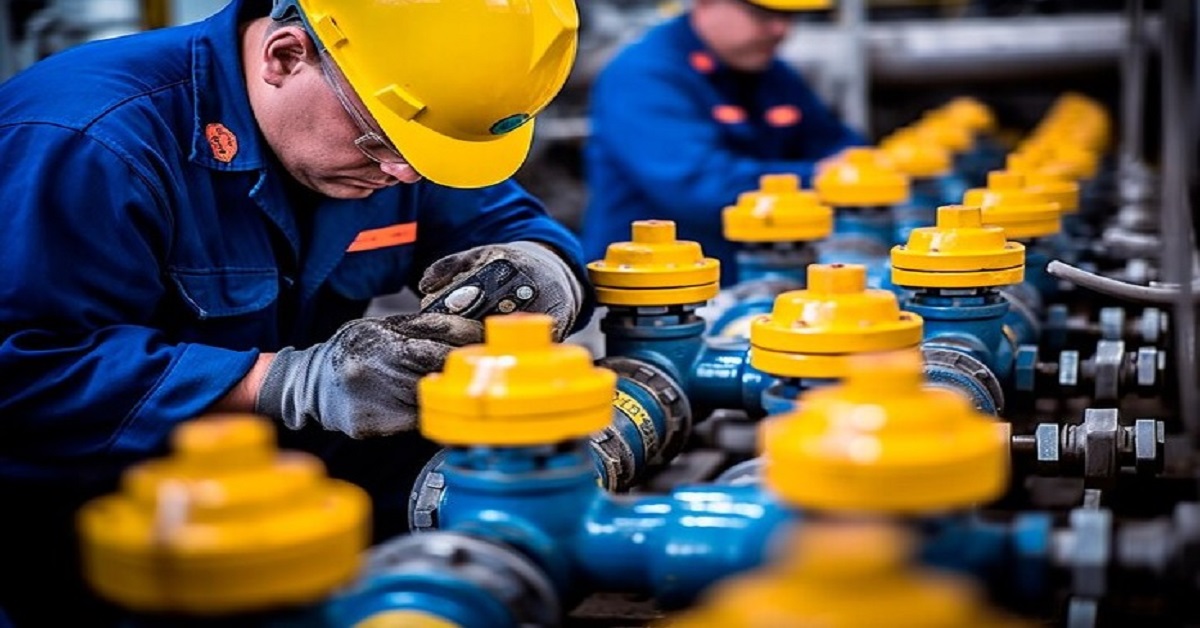
Industrial equipment operates under demanding conditions every day. Motors, pumps, gearboxes, compressors, turbines, and bearings experience constant friction, heat, and mechanical stress. Without proper lubrication, these critical assets can wear out quickly, resulting in costly downtime and expensive repairs. This is where lubrication engineering plays a vital role.
Lubrication engineering is the science of selecting, applying, and managing lubricants to ensure machinery performs efficiently and reliably. It combines technical knowledge, condition monitoring, and maintenance strategies to reduce friction, minimize component wear, and extend equipment life. As industries increasingly focus on predictive maintenance and asset reliability, lubrication engineering has become an essential part of modern maintenance programs.
Whether in manufacturing, mining, oil and gas, power generation, or food processing, businesses that invest in proper lubrication practices often experience lower operating costs and improved equipment performance.
What Is Lubrication Engineering?
Lubrication engineering is a specialized field that focuses on understanding how lubricants interact with mechanical systems. It involves selecting the appropriate lubricant, determining the correct application method, monitoring lubricant condition, and optimizing lubrication schedules.
The goal is to reduce friction between moving parts while protecting equipment from wear, corrosion, contamination, and overheating.
Rather than simply adding oil or grease to machinery, lubrication engineering uses data-driven practices to ensure every asset receives the right lubricant at the right time and in the correct quantity.
Why Lubrication Engineering Is Important
Proper lubrication has a direct impact on equipment reliability and maintenance costs.
Reduces Friction
Lubricants create a protective film between moving surfaces, reducing direct metal-to-metal contact.
Minimizes Component Wear
Effective lubrication slows the wear process, helping bearings, gears, and other components last longer.
Prevents Equipment Failure
Many mechanical failures occur because of poor lubrication practices. Proper lubrication helps prevent premature breakdowns.
Improves Energy Efficiency
Reduced friction allows equipment to operate more efficiently, which may help lower energy consumption.
Extends Equipment Life
Well-maintained lubrication systems help maximize the service life of valuable industrial assets.
These benefits make lubrication engineering an essential component of any reliability-centered maintenance program.
Key Components of Lubrication Engineering
A successful lubrication program includes several important elements.
Lubricant Selection
Choosing the correct oil or grease depends on equipment type, operating temperature, load, speed, and environmental conditions.
Lubrication Scheduling
Equipment should be lubricated based on manufacturer recommendations, operating conditions, and equipment criticality rather than guesswork.
Contamination Control
Dust, dirt, water, and other contaminants can significantly reduce lubricant effectiveness. Proper filtration and storage help maintain lubricant quality.
Oil Analysis
Routine oil analysis helps identify contamination, lubricant degradation, and abnormal equipment wear before serious failures occur.
Equipment Monitoring
Combining lubrication engineering with vibration analysis, infrared thermography, and condition monitoring provides a more complete understanding of equipment health.
Common Lubricants Used in Industry
Different applications require different types of lubricants.
Industrial Oils
Used in hydraulic systems, gearboxes, compressors, turbines, and circulating lubrication systems.
Greases
Ideal for bearings, electric motors, and components where oil lubrication is less practical.
Synthetic Lubricants
Designed for demanding operating environments with extreme temperatures or heavy loads.
Food-Grade Lubricants
Used in food and beverage processing facilities where regulatory compliance is essential.
Selecting the appropriate lubricant is one of the most important responsibilities of lubrication engineering professionals.
Industries That Benefit from Lubrication Engineering
Many industries rely on effective lubrication practices to maintain equipment performance.
Manufacturing
Production machinery operates more reliably with proper lubrication management.
Mining
Heavy-duty mining equipment experiences extreme operating conditions that require specialized lubrication solutions.
Oil and Gas
Pumps, compressors, and rotating equipment benefit from continuous lubrication monitoring.
Power Generation
Reliable lubrication supports turbines, generators, and auxiliary equipment operating under high loads.
Food and Beverage
Food-grade lubrication programs help protect production equipment while meeting industry standards.
Benefits of a Professional Lubrication Engineering Program
Organizations that implement structured lubrication programs often experience measurable improvements.
Reduced Maintenance Costs
Preventing excessive wear lowers repair and replacement expenses.
Less Unplanned Downtime
Proper lubrication reduces unexpected equipment failures and production interruptions.
Improved Equipment Reliability
Machines operate more consistently with optimized lubrication practices.
Better Safety
Well-maintained equipment reduces the risk of mechanical failures that may create workplace hazards.
Increased Productivity
Reliable equipment supports uninterrupted production and improved operational performance.
Implementing lubrication engineering practices helps organizations improve both equipment reliability and overall business efficiency.
Best Practices for Effective Lubrication Engineering
To maximize results, organizations should follow these proven strategies.
Develop Lubrication Procedures
Create standardized lubrication instructions for every critical asset.
Label Lubrication Points
Clearly identify lubrication locations and lubricant types to reduce application errors.
Store Lubricants Properly
Protect lubricants from moisture, dust, and temperature extremes.
Perform Routine Oil Analysis
Regular testing helps detect contamination and equipment wear before major failures occur.
Train Maintenance Personnel
Proper training ensures technicians understand lubricant selection, application methods, and contamination control practices.
Integrate with Predictive Maintenance
Combining lubrication engineering with vibration analysis, thermography, ultrasound testing, and condition monitoring provides a comprehensive maintenance strategy.
Conclusion
As industries continue to prioritize equipment reliability and operational efficiency, lubrication engineering has become more important than ever. Proper lubricant selection, contamination control, condition monitoring, and routine maintenance all contribute to extending equipment life while reducing costly downtime.
Whether managing manufacturing equipment, mining machinery, power generation assets, or industrial processing systems, investing in a professional lubrication engineering program helps organizations improve productivity, lower maintenance costs, and achieve long-term operational success.
Frequently Asked Questions (FAQs)
1. What is lubrication engineering?
Lubrication engineering is the process of selecting, applying, monitoring, and managing lubricants to improve equipment reliability, reduce friction, and extend machinery life.
2. Why is lubrication engineering important?
It helps reduce equipment wear, prevent mechanical failures, improve energy efficiency, lower maintenance costs, and increase equipment lifespan.
3. Which industries benefit from lubrication engineering?
Manufacturing, mining, oil and gas, power generation, transportation, food processing, pharmaceuticals, and many other industries rely on effective lubrication programs.
4. What is oil analysis in lubrication engineering?
Oil analysis evaluates lubricant condition, contamination levels, and equipment wear to help identify developing mechanical problems before equipment fails.
5. How does lubrication engineering support predictive maintenance?
Lubrication engineering works alongside condition monitoring technologies such as vibration analysis, infrared thermography, ultrasound testing, and oil analysis to identify equipment issues early and optimize maintenance planning.