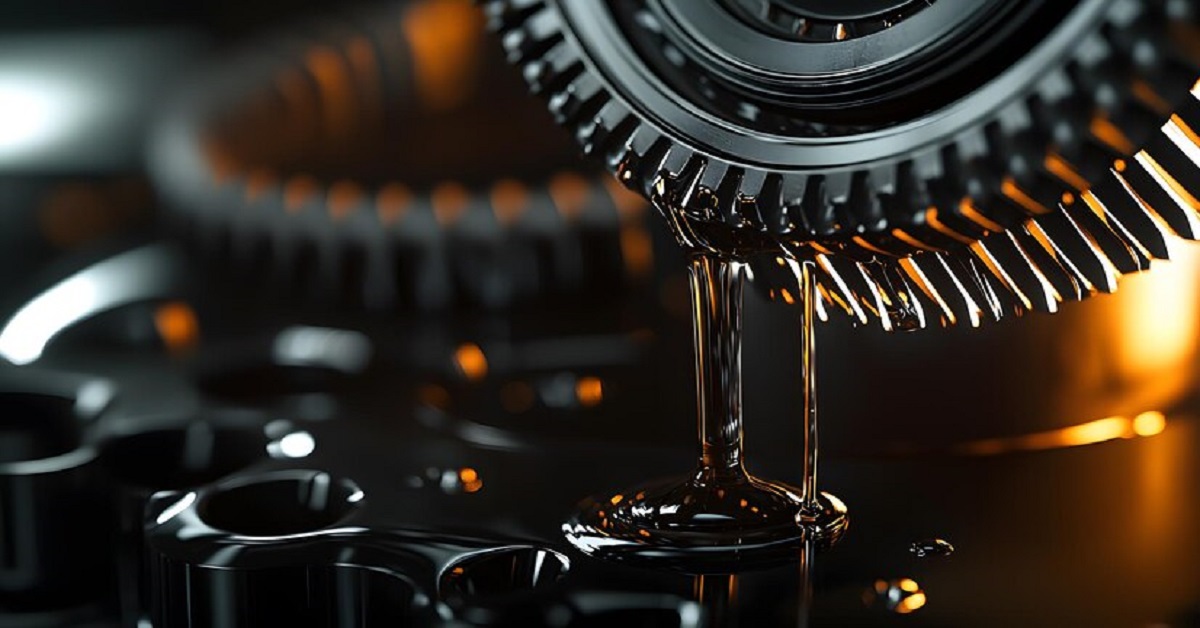
In every industry that relies on machinery, friction is the silent challenge affecting performance and longevity. Without proper lubrication, machines wear out faster, consume more energy, and become prone to failure. This is where lubrication engineering plays a critical role.
This is the science of selecting, applying, and managing lubricants to reduce friction, minimize wear, and improve machine efficiency. It goes beyond simply applying oil or grease — it involves understanding operating conditions, load factors, temperature variations, and equipment design.
In today’s competitive industrial landscape, lubrication engineering is not optional; it is a strategic necessity.
What Is Lubrication Engineering?
This engineering focuses on optimizing lubrication systems and processes to ensure machinery operates smoothly. It includes:
- Selecting the right type of lubricant
- Designing lubrication systems
- Monitoring lubricant condition
- Implementing preventive maintenance programs
Effective lubricate engineering ensures that machines function efficiently while minimizing breakdowns and repair costs.
Why Lubrication Engineering Is Important
Reduces Equipment Wear and Tear
Friction between moving parts leads to wear. Proper lubrication forms a protective film that reduces direct metal-to-metal contact.
Improves Energy Efficiency
Well-lubricated machines require less energy to operate. It helps reduce frictional losses and improve overall system efficiency.
Extends Equipment Lifespan
By preventing overheating and excessive wear, this significantly extends the life of machinery.
Prevents Unexpected Downtime
Poor lubrication is one of the leading causes of equipment failure. A well-designed lubrication strategy minimizes unplanned shutdowns.
Key Components of Lubrication Engineering
Lubricant Selection
Choosing the right lubricant depends on operating temperature, load conditions, environment, and machine type. Engineers evaluate viscosity, additives, and compatibility.
Lubrication System Design
Automatic lubrication systems ensure consistent and precise lubricant delivery. Proper system design prevents under-lubrication or over-lubrication.
Oil Analysis and Monitoring
Regular oil analysis helps detect contamination, oxidation, or metal particles. This proactive approach allows maintenance teams to address issues early.
Contamination Control
Dust, water, and debris can degrade lubricant performance. It includes filtration and sealing strategies to protect equipment.
Industries That Rely on Lubrication Engineering
Manufacturing
Production lines operate continuously and require consistent lubrication for motors, conveyors, and gearboxes.
Energy and Power Generation
Turbines, compressors, and generators depend on precise lubrication systems to operate safely and efficiently.
Mining and Heavy Equipment
Harsh operating conditions demand advanced lubrication solutions to handle high loads and extreme environments.
Transportation
Automotive, rail, and aviation industries rely on this engineering for engine reliability and performance.
Benefits of Implementing a Lubrication Engineering Program
Organizations that invest in this engineering often experience:
- Reduced maintenance costs
- Lower energy consumption
- Improved workplace safety
- Increased asset reliability
- Better compliance with industry standards
By adopting structured lubrication practices, companies can shift from reactive maintenance to proactive asset management.
Common Challenges in Lubrication Management
Despite its importance, lubrication is sometimes overlooked. Common issues include:
- Using incorrect lubricant types
- Over-lubrication or under-lubrication
- Lack of monitoring and testing
- Poor storage practices
This addresses these challenges through standardized procedures and continuous improvement strategies.
Conclusion
Machinery performance depends heavily on proper lubrication. Without a well-planned approach, even high-quality equipment can fail prematurely. Lubrication engineering provides the knowledge and systems needed to reduce friction, extend machine life, and improve operational efficiency.
By integrating lubrication engineering into maintenance strategies, organizations can achieve greater reliability, lower operational costs, and long-term sustainability. In today’s industrial environment, smart lubrication practices are not just beneficial — they are essential.
Frequently Asked Questions (FAQs)
1. What is lubrication engineering?
It is the practice of selecting, applying, and managing lubricants to reduce friction and improve machinery performance.
2. Why is lubrication engineering important in industrial maintenance?
It helps reduce wear, prevent breakdowns, improve energy efficiency, and extend equipment lifespan.
3. How does lubrication engineering reduce downtime?
By ensuring proper lubrication and monitoring lubricant condition, potential failures are detected early, preventing unexpected shutdowns.
4. What industries benefit most from lubrication engineering?
Manufacturing, energy, mining, transportation, and heavy equipment industries rely heavily on lubricate engineering for equipment reliability.
5. What happens if lubrication is not properly managed?
Poor lubrication can cause overheating, increased friction, excessive wear, equipment failure, and costly downtime.


![#43447_Industrias_de_alimentos[BLOG] (1)](https://semeq.com/wp-content/uploads/2024/02/43447-industrias-de-alimentosblog-1.jpg)