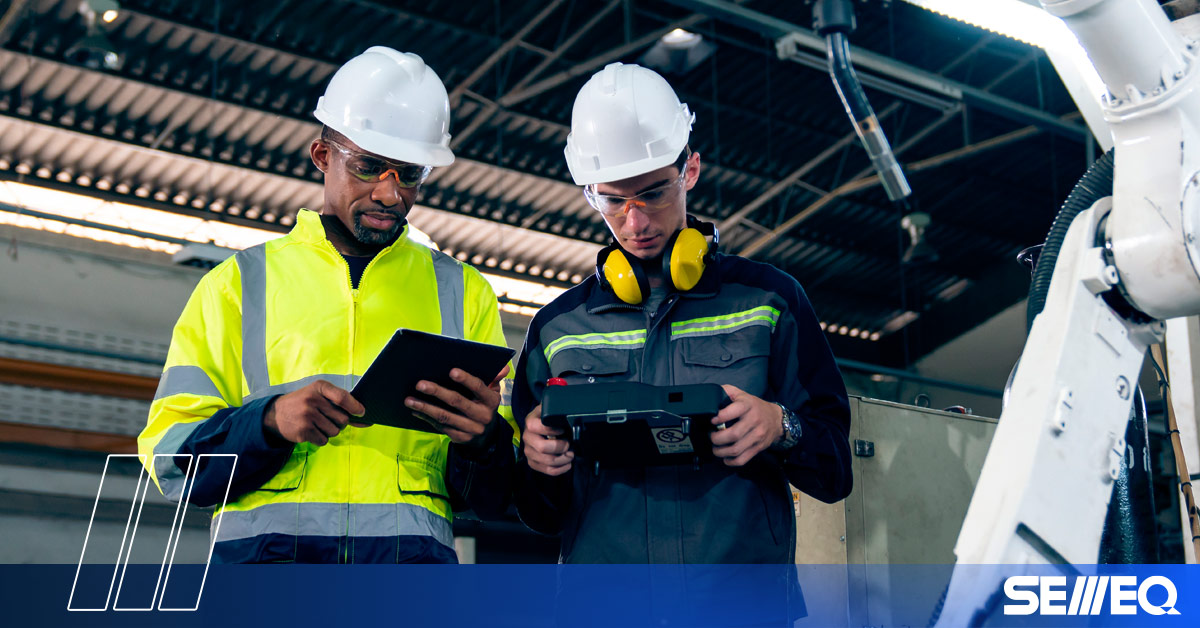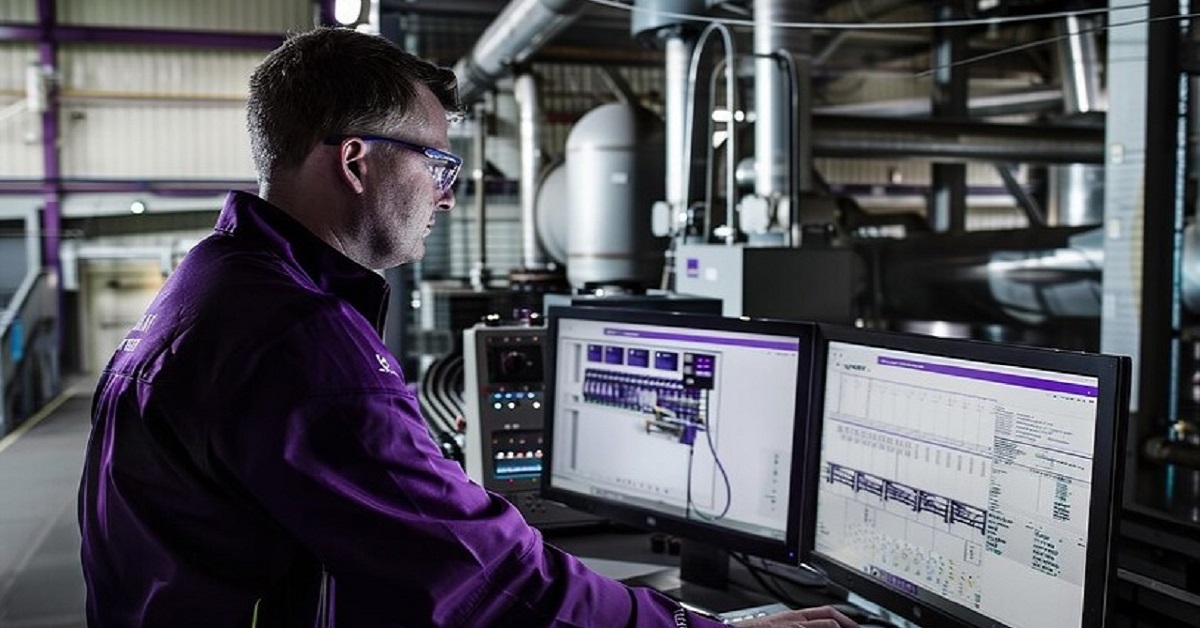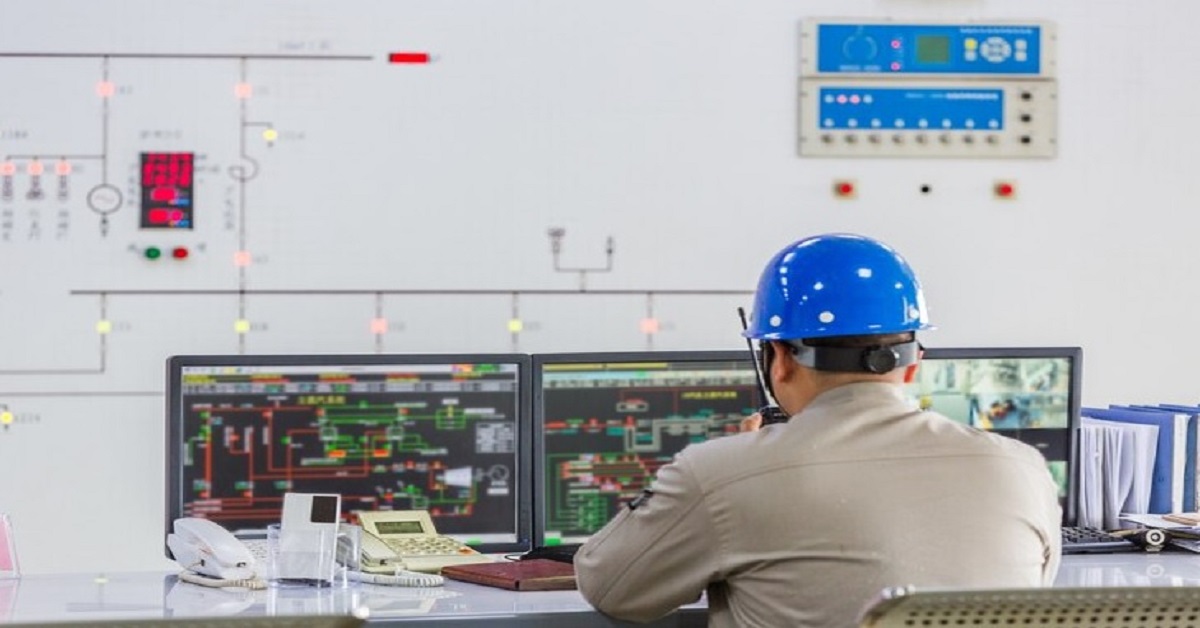
In every industrial environment, temperature plays a critical role in determining the efficiency, safety, and longevity of equipment. Whether it’s manufacturing, energy production, chemical processing, or food storage, maintaining the right temperature is essential for smooth operations. This is where industrial temperature sensors become indispensable. These sensors help industries track heat levels accurately, prevent equipment damage, and ensure processes stay within safe and optimal limits.
Understanding Industrial Temperature Sensors
Industrial temperature sensors are specialized devices designed to measure heat in various environments, ranging from moderate conditions to extremely high or low temperatures. Unlike basic household sensors, these sensors are built to withstand harsh environments, vibration, moisture, chemicals, and mechanical stress.
They provide continuous, real-time temperature monitoring, helping technicians detect abnormal changes before they turn into major issues. This capability makes them valuable in predictive and preventive maintenance strategies.
How Industrial Temperature Sensors Work
Industrial temperature sensors operate by detecting changes in resistance, voltage, or infrared energy caused by variations in temperature. The most common types include:
- Thermocouples: Durable, fast, and suitable for high-temperature applications.
- RTDs (Resistance Temperature Detectors): Highly accurate and stable, ideal for critical environments.
- Thermistors: Provide precise readings in moderate temperature ranges.
- Infrared Sensors: Non-contact sensors used for moving parts or surfaces that cannot be touched.
- Semiconductor Sensors: Used in controlled environments where precision is essential.
Each type is chosen based on factors such as required accuracy, environmental conditions, response time, and temperature range.
Why Industrial Temperature Sensors Are Important
- Ensuring Equipment Protection
Machines generate heat while operating. Excessive temperature can cause overheating, failure, or permanent damage. Sensors alert operators instantly, allowing quick action to avoid downtime. - Optimizing Process Efficiency
In industries such as chemical processing or food manufacturing, the right temperature is crucial for product quality. Industrial temperature sensors ensure processes stay within the required limits. - Enhancing Safety
Overheating machinery can lead to fire hazards, chemical reactions, or mechanical failures. Reliable sensors help maintain safe temperature ranges to protect both workers and equipment. - Reducing Operational Costs
Early temperature detection helps prevent expensive repairs and unwanted machine downtime. It also lowers energy waste by ensuring systems operate efficiently. - Supporting Predictive Maintenance
Temperature trends reveal patterns in machine behavior. When combined with advanced monitoring systems, sensors help predict failures before they occur.
Applications Across Industries
Industrial temperature sensors are used in almost every sector, including:
- Manufacturing: To monitor motors, furnaces, machinery, and cooling systems.
- Oil and Gas: To ensure safety in pipelines, drilling equipment, and refineries.
- Energy and Power Plants: To maintain stable generator, turbine, and boiler temperatures.
- Food and Beverage: To guarantee safe food processing and storage conditions.
- Pharmaceuticals: To maintain precise temperatures for sensitive materials.
- HVAC Systems: To regulate heating and cooling for comfort and efficiency.
Their ability to perform reliably under tough conditions makes them essential in modern industrial operations.
Choosing the Right Industrial Temperature Sensor
When selecting industrial temperature sensors, several factors should be considered:
- Required temperature range
- Sensor accuracy and response time
- Environmental toughness and durability
- Compatibility with monitoring systems
- Installation requirements
- Maintenance needs
An ideal sensor should provide stable, repeatable, and long-term performance, especially in critical applications.
Future Trends in Temperature Monitoring
The future of industrial temperature sensors is becoming smarter with advancements in IoT, wireless connectivity, and AI-based monitoring. Sensors are evolving to provide more detailed insights, automated alerts, and easier integration with cloud platforms. This allows companies to make data-driven decisions and enhance overall operational efficiency.
Conclusion
Accurate temperature monitoring is vital for keeping industrial operations safe, efficient, and productive. Industrial temperature sensors offer the precision and reliability required to protect equipment, improve process performance, and support predictive maintenance strategies.
For advanced, dependable, and smart temperature monitoring solutions, trust Semeq, your reliable partner in industrial diagnostics and equipment health optimization.