In today’s fast-moving industrial world, efficiency, safety, and accuracy are more important than ever. Companies are constantly looking for smarter ways to monitor equipment, processes, and environments in real time. This is where industrial monitoring solutions play a vital role. These systems help industries gain better control over operations, reduce downtime, and improve overall productivity.
From manufacturing plants to energy facilities, These are becoming a core part of modern industrial infrastructure.
What Are Industrial Monitoring Solutions?
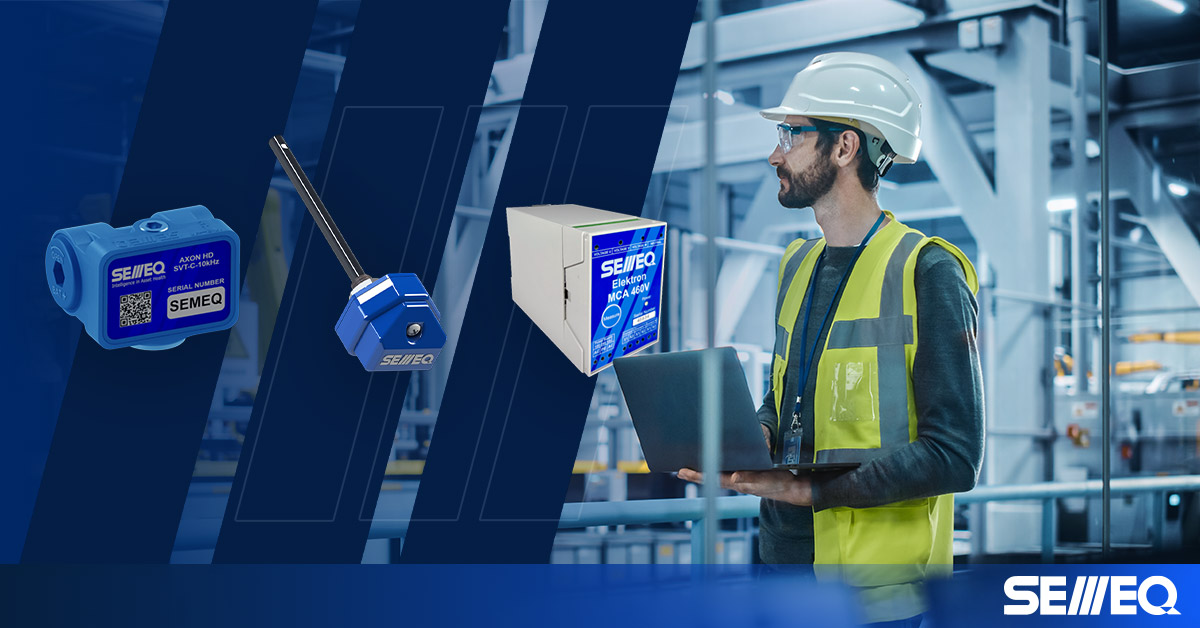
These are technologies are designed to track, analyze, and manage industrial processes and equipment. They use sensors, software platforms, and connected devices to collect real-time data from machines, systems, and environments.
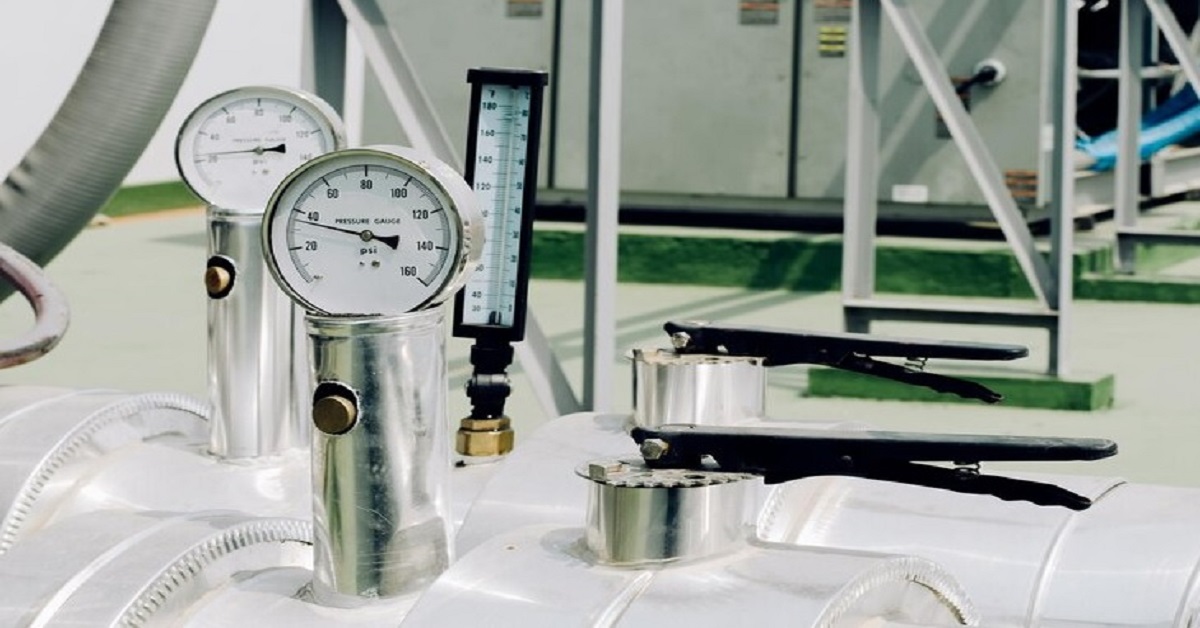
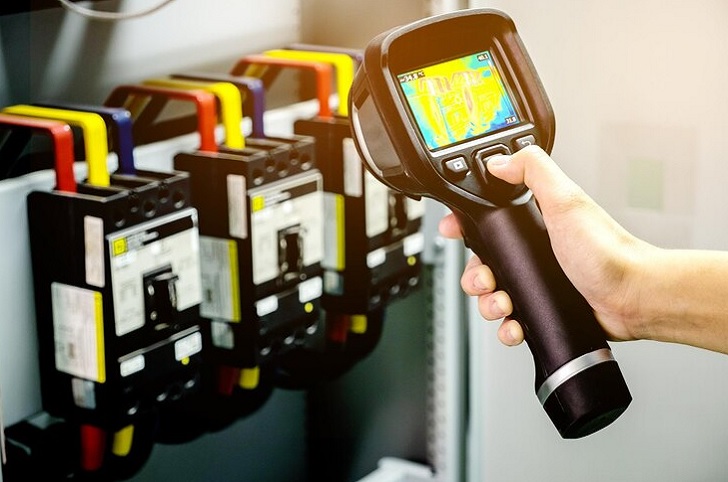
These solutions provide insights into performance, detect issues early, and help operators make informed decisions. Whether it’s monitoring temperature, pressure, vibration, or energy usage, industrial monitoring solutions ensure operations run smoothly and safely.
Why Industrial Monitoring Solutions Matter
Improved Operational Efficiency
By continuously tracking machine performance, companies can identify inefficiencies and optimize workflows. This help reduce waste, improve output, and ensure consistent quality.
Reduced Downtime
Unexpected equipment failure can be costly. With real-time alerts and predictive maintenance features, industrial monitoring solutions allow businesses to address problems before they lead to breakdowns.
Enhanced Workplace Safety
Monitoring environmental conditions such as gas levels, heat, or humidity helps protect workers. These systems can trigger alerts when conditions become unsafe, reducing the risk of accidents.
Key Components of Industrial Monitoring Solutions
Sensors and Data Collection Devices
Sensors gather real-time information such as temperature, vibration, pressure, and flow rates. This data forms the foundation of effective monitoring.
Data Analytics and Software Platforms
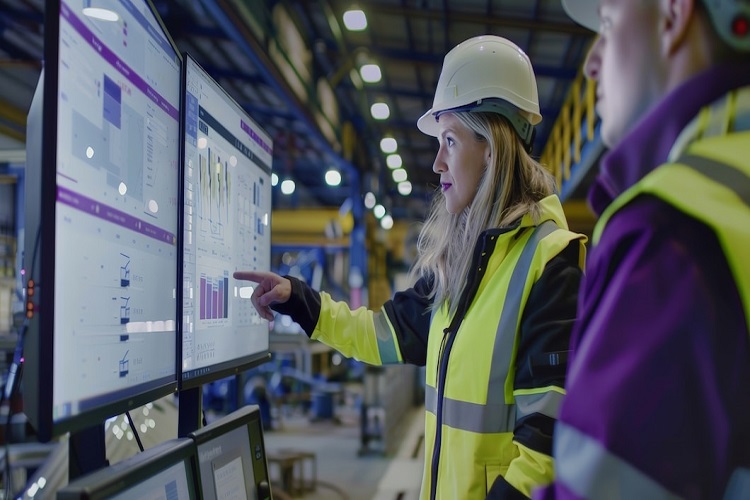
Advanced software analyzes collected data and presents it through dashboards, reports, and alerts. This makes complex information easy to understand and act upon.
Connectivity and Integration
Modern monitoring solutions integrate with existing systems like SCADA, PLCs, and ERP platforms, ensuring seamless data flow across operations.
Industries That Benefit from Industrial Monitoring Solutions
Manufacturing
Manufacturers use monitoring systems to track production lines, equipment health, and product quality.
Energy and Utilities
Power plants and utility providers rely on this to manage energy usage, detect faults, and ensure regulatory compliance.
Oil and Gas
Monitoring pipelines, pressure systems, and environmental conditions helps prevent leaks and operational hazards.
Food and Pharmaceuticals
Strict compliance standards make monitoring essential for maintaining hygiene, temperature control, and product integrity.
Benefits of Implementing Industrial Monitoring Solutions
- Real-time visibility into operations
- Predictive maintenance and cost savings
- Improved product quality and consistency
- Better compliance with safety and industry regulations
- Data-driven decision-making
By adopting this solutions, companies can move from reactive problem-solving to proactive operational management.
How to Choose the Right Industrial Monitoring Solution
Understand Your Monitoring Needs
Identify which processes, machines, or environments need monitoring and what data matters most.
Scalability and Flexibility
Choose solutions that can grow with your business and adapt to future technologies.
Ease of Use
User-friendly dashboards and reporting tools ensure teams can quickly interpret and act on data.
Conclusion
Industrial operations are becoming more complex, and traditional monitoring methods are no longer enough. This monitoring solutions provide real-time insights, enhance safety, and improve efficiency across industries. By investing in the right monitoring systems, businesses can reduce risks, lower costs, and stay competitive in an increasingly data-driven world.
As industries continue to evolve, this solution will remain a key driver of smarter, safer, and more efficient operations.
Frequently Asked Questions (FAQs)
1. What are industrial monitoring solutions used for?
These are used to track equipment performance, environmental conditions, and production processes in real time. They help businesses improve efficiency, reduce downtime, enhance safety, and make data-driven decisions.
2. How do industrial monitoring solutions improve operational efficiency?
It collect and analyze real-time data from machines and systems. This allows operators to identify inefficiencies, predict equipment failures, and optimize workflows before issues become costly problems.
3. Are industrial monitoring solutions suitable for small and medium-sized industries?
Yes, modern monitoring solutions are scalable and can be tailored to businesses of all sizes. Small and medium-sized industries can benefit from improved visibility, reduced maintenance costs, and better resource management.
4. What types of data do industrial monitoring solutions track?
This solution can track data such as temperature, pressure, vibration, humidity, energy usage, machine uptime, and environmental safety metrics, depending on the industry and application.
5. How do industrial monitoring solutions support predictive maintenance?
By continuously monitoring equipment health and performance trends, It can detect early warning signs of wear or failure. This enables predictive maintenance, helping companies fix issues before breakdowns occur and avoid unexpected downtime.