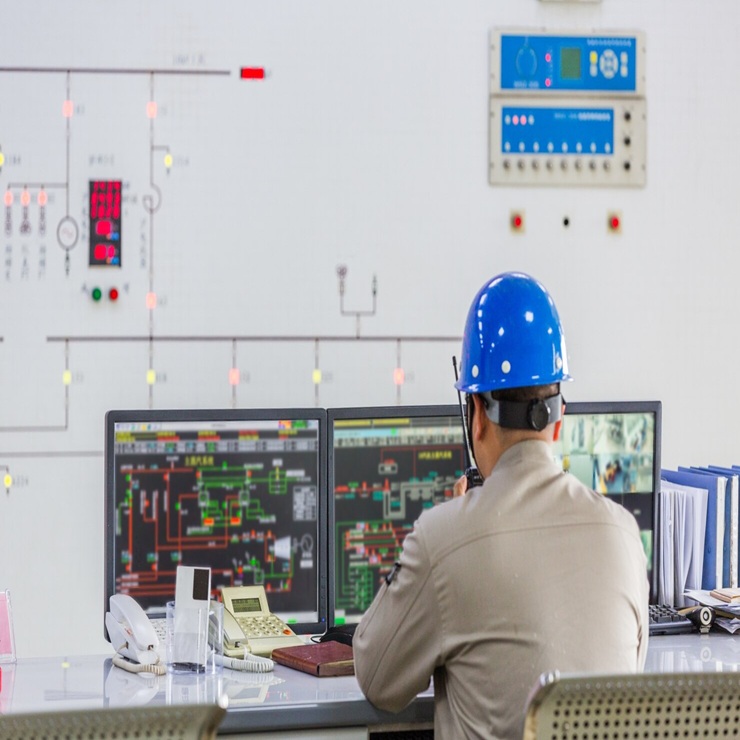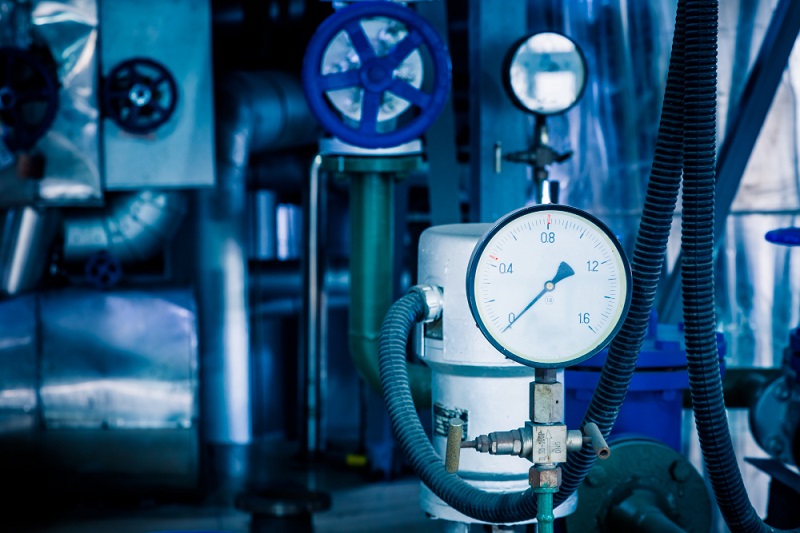
Temperature monitoring is essential in industries where precision and durability are non‑negotiable. From manufacturing plants to energy facilities, equipment often operates under extreme conditions. That’s why heavy-duty temperature sensors are the go‑to solution for businesses that need accurate readings and long‑lasting performance.
What Are Heavy-Duty Temperature Sensors?
These are specialized devices designed to measure heat levels in tough industrial environments. Unlike standard sensors, they are built with rugged materials and advanced technology to resist corrosion, vibration, and extreme temperatures. By using these temperature sensors, companies can ensure consistent monitoring even in the harshest conditions.
Why Heavy-Duty Sensors Matter
In industries such as oil and gas, power generation, and chemical processing, equipment faces high pressure, mechanical stress, and extreme heat. Ordinary sensors may fail under these conditions, leading to inaccurate data or costly downtime. Heavy-duty sensors solve this problem by offering:
- Durability: Resistant to wear, corrosion, and mechanical stress.
- Accuracy: Provides precise readings for critical processes.
- Reliability: Ensures continuous monitoring without frequent replacements.
- Safety: Helps prevent overheating and equipment failure.
Key Benefits of Heavy-Duty Temperature Sensors
1. Long-Term Performance
Built with robust materials, these sensors last longer and reduce maintenance costs.
2. Accurate Monitoring
Precise readings allow industries to maintain quality control and safety standards.
3. Versatility
It can be used in multiple applications, from industrial furnaces to refrigeration systems.
4. Cost Efficiency
By preventing breakdowns and ensuring smooth operations, these sensors save money over time.
Applications across Industries
- Manufacturing: Monitoring machinery and production lines.
- Energy: Ensuring turbines, boilers, and transformers operate safely.
- Automotive: Measuring engine and exhaust temperatures.
- Food & Beverage: Maintaining proper storage and processing conditions.
- Chemical Processing: Handling corrosive environments with reliable monitoring.
FAQs
Q1: What are heavy-duty temperature sensors?
These are durable devices designed to measure heat levels in tough industrial environments with high accuracy.
Q2: Why are these temperature sensors important?
They provide reliable monitoring in extreme conditions, ensuring safety, efficiency, and reduced downtime.
Q3: Which industries use heavy-duty temperature sensors?
Manufacturing, energy, automotive, food & beverage, and chemical processing industries rely on them for accurate monitoring.
Q4: How do these temperature sensors save costs?
By preventing equipment failure and reducing maintenance needs, they lower operational expenses over time.
Q5: Can these temperature sensors be used in everyday applications?
Yes, while they are designed for industrial use, they can also be applied in environments requiring durable and precise temperature monitoring.
Conclusion
For industries operating in demanding environments, heavy-duty temperature sensors are essential tools. They combine durability, accuracy, and reliability to ensure smooth operations and safety. Whether in manufacturing, energy, or chemical processing, investing in these sensors helps businesses achieve long-term efficiency and cost savings.