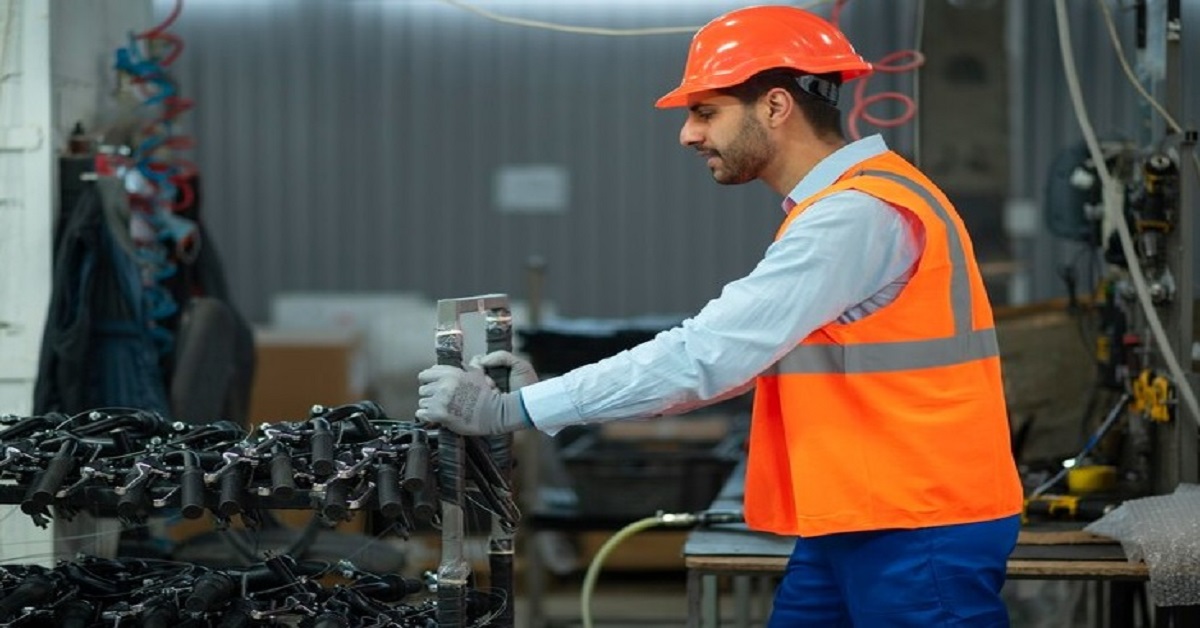
In today’s competitive industrial environment, keeping equipment operating efficiently is essential for maintaining productivity and reducing operating costs. Unexpected equipment failures can lead to production delays, expensive repairs, and lost revenue. That’s why many organizations invest in equipment maintenance management to ensure their machinery remains in optimal condition.
A well-planned maintenance management program helps businesses monitor equipment performance, schedule routine maintenance, and identify potential issues before they become major problems. Whether you operate a manufacturing plant, warehouse, power facility, or processing unit, implementing effective equipment maintenance management practices can improve operational efficiency and increase the lifespan of your valuable assets.
What Is Equipment Maintenance Management?
Equipment maintenance management is the process of planning, scheduling, tracking, and optimizing maintenance activities for machinery and equipment. The primary goal is to keep equipment operating safely and efficiently while minimizing unexpected breakdowns.
Maintenance management includes everything from routine inspections and preventive maintenance to predictive monitoring and repair planning. By following a structured maintenance strategy, organizations can reduce downtime and improve overall equipment reliability.
Why Equipment Maintenance Management Is Important
Proper maintenance delivers long-term benefits that extend beyond simply repairing broken equipment.
Reduces Equipment Downtime
Unexpected equipment failures can interrupt production schedules and reduce overall productivity. Routine maintenance helps identify potential issues before they result in costly breakdowns.
Extends Equipment Lifespan
Regular inspections, lubrication, cleaning, and component replacements help machinery operate efficiently for a longer period.
Improves Workplace Safety
Poorly maintained equipment can increase the risk of accidents. Effective maintenance programs help ensure machines continue operating safely.
Lowers Operating Costs
Preventive maintenance is generally more cost-effective than emergency repairs and unplanned equipment replacement.
Increases Productivity
Reliable equipment allows employees to focus on production rather than dealing with equipment failures.
These benefits make equipment maintenance management an essential part of any successful industrial operation.
Types of Equipment Maintenance
Different maintenance strategies serve different operational needs.
Preventive Maintenance
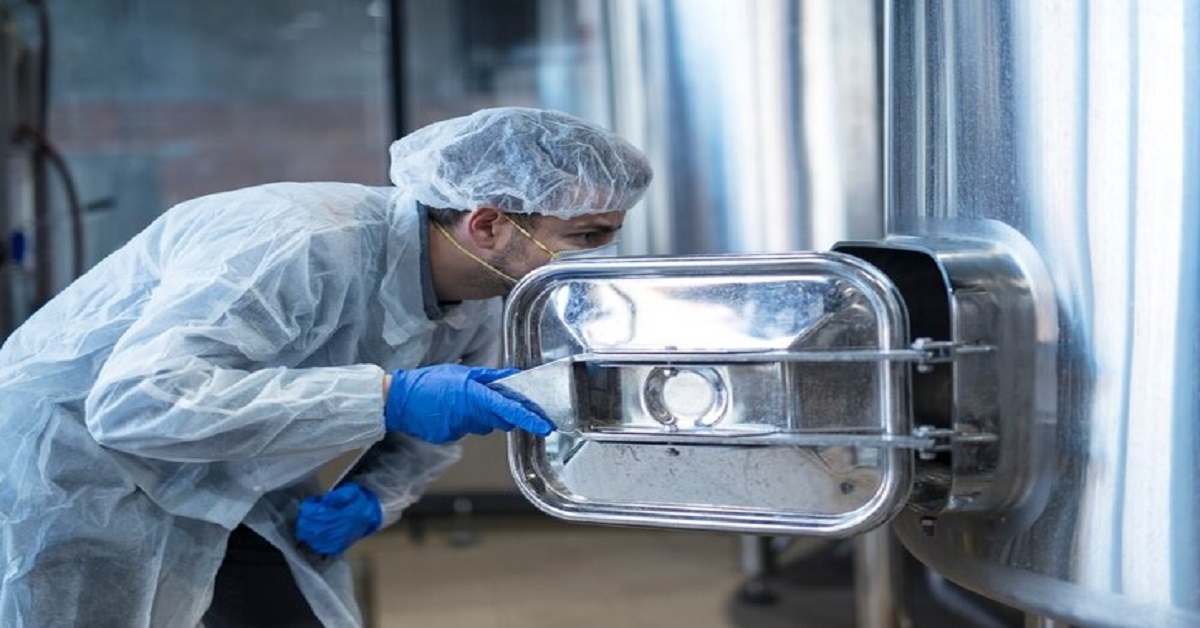
Preventive maintenance involves scheduled servicing based on time intervals or equipment usage. Common activities include:
- Oil changes
- Lubrication
- Filter replacement
- Belt inspections
- Calibration
- Cleaning
This approach helps reduce the likelihood of unexpected failures.
Predictive Maintenance
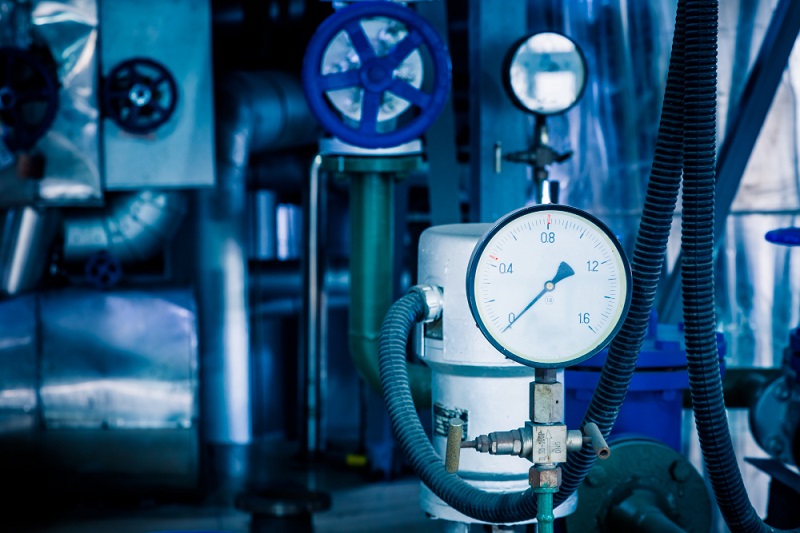
Predictive maintenance uses condition monitoring technologies to detect early signs of equipment wear.
Common monitoring methods include:
- Vibration analysis
- Thermal imaging
- Oil analysis
- Ultrasonic testing
- Motor current analysis
Predictive maintenance enables maintenance teams to perform repairs only when necessary.
Corrective Maintenance
Corrective maintenance addresses equipment problems after they are identified but before they cause complete failure.
Reactive Maintenance
Reactive maintenance occurs after equipment has already failed. Although sometimes unavoidable, relying solely on reactive maintenance often results in higher costs and increased downtime.
Key Components of an Effective Maintenance Program
Successful equipment maintenance management requires a structured approach.
Asset Inventory
Maintaining a complete inventory of equipment helps organizations track maintenance history and service schedules.
Maintenance Scheduling
Routine inspections and servicing should follow a planned schedule based on manufacturer recommendations and operating conditions.
Work Order Management
Organized work orders ensure maintenance tasks are assigned, completed, and documented efficiently.
Spare Parts Management
Keeping essential replacement parts readily available reduces repair delays when maintenance is required.
Performance Monitoring
Tracking equipment performance helps identify recurring issues and opportunities for improvement.
Benefits of Digital Maintenance Management Systems
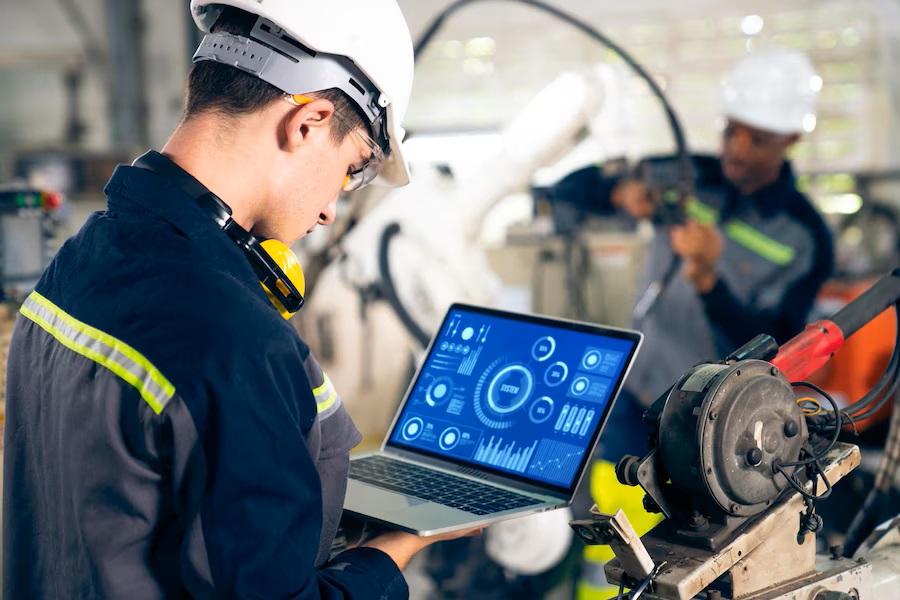
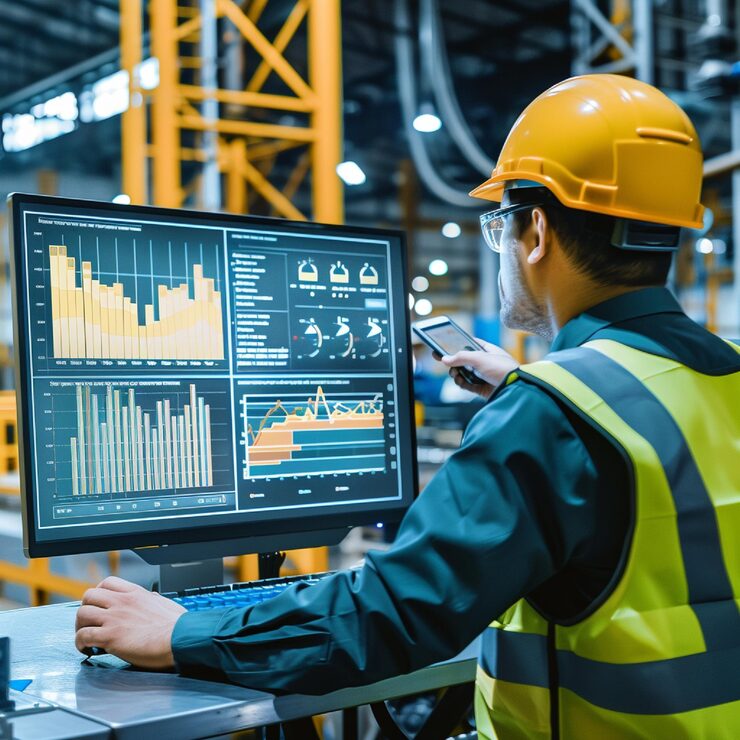
Many organizations now use computerized maintenance management systems (CMMS) to improve maintenance efficiency.
Better Organization
Digital systems centralize maintenance records, inspection reports, and equipment histories.
Automated Scheduling
Maintenance reminders help ensure routine service tasks are completed on time.
Improved Reporting
Managers can analyze maintenance trends, equipment reliability, and repair costs using detailed reports.
Increased Accountability
Technicians can document completed work and update maintenance records in real time.
Technology has made equipment maintenance management more accurate, efficient, and easier to manage.
Best Practices for Equipment Maintenance Management
Develop a Preventive Maintenance Schedule
Routine maintenance reduces the likelihood of unexpected equipment failures.
Train Maintenance Personnel
Well-trained technicians are better equipped to identify potential problems and perform quality repairs.
Monitor Equipment Condition
Condition monitoring technologies provide valuable insight into equipment health.
Keep Accurate Records
Documenting maintenance activities helps identify recurring issues and improve future planning.
Review Maintenance Performance
Regularly evaluating maintenance performance helps organizations refine their maintenance strategies and improve equipment reliability.
Common Challenges in Equipment Maintenance
Despite its importance, maintenance management can present several challenges.
- Limited maintenance budgets
- Aging equipment
- Shortage of skilled technicians
- Unplanned production demands
- Incomplete maintenance records
Addressing these challenges through proactive planning and technology helps organizations maintain consistent operations.
Conclusion
Effective equipment maintenance management is essential for maximizing equipment reliability, improving workplace safety, and reducing operating costs. By implementing preventive maintenance strategies, utilizing predictive technologies, and maintaining accurate maintenance records, businesses can minimize downtime and improve overall operational efficiency.
Whether you’re managing a manufacturing facility, warehouse, utility plant, or industrial operation, investing in a structured maintenance program helps protect valuable assets while supporting long-term business success.
Frequently Asked Questions (FAQs)
1. What is equipment maintenance management?
Equipment maintenance management is the process of planning, scheduling, monitoring, and documenting maintenance activities to keep machinery operating safely and efficiently.
2. Why is equipment maintenance management important?
It helps reduce downtime, extend equipment lifespan, improve workplace safety, lower repair costs, and increase operational productivity.
3. What is the difference between preventive and predictive maintenance?
Preventive maintenance follows scheduled service intervals, while predictive maintenance uses condition monitoring tools to determine when maintenance is actually needed.
4. What industries benefit from equipment maintenance management?
Manufacturing, energy, mining, logistics, food processing, pharmaceuticals, construction, and many other industries rely on maintenance management to keep equipment operating efficiently.
5. How does a computerized maintenance management system (CMMS) help?
A CMMS helps organizations schedule maintenance, manage work orders, track equipment history, monitor performance, and improve maintenance planning through centralized digital records.