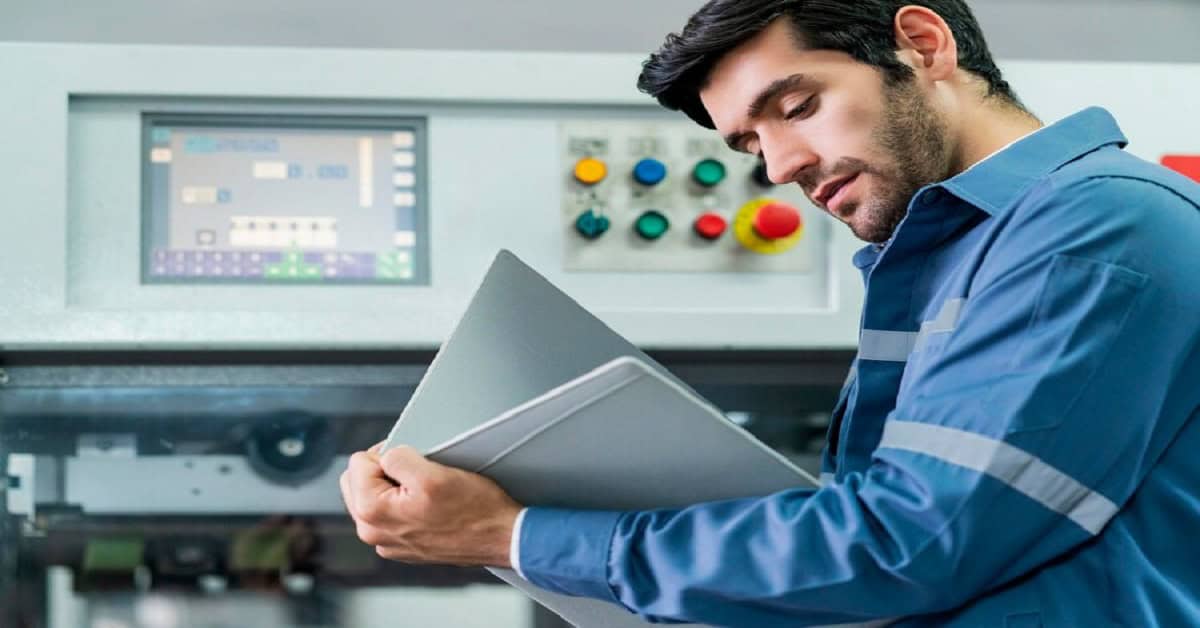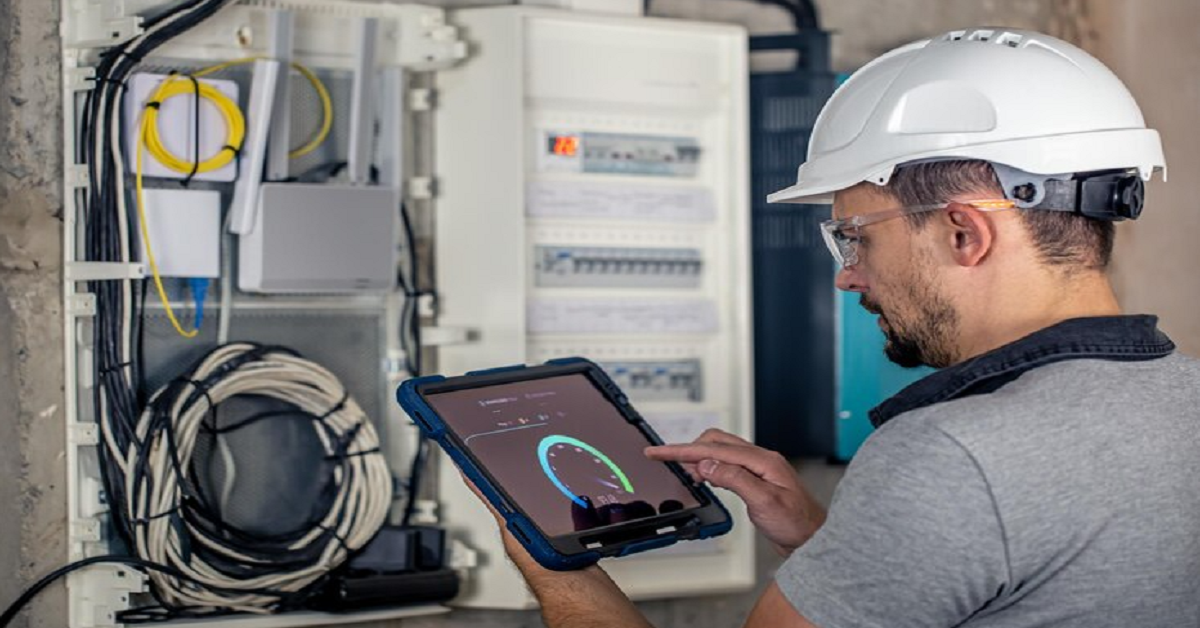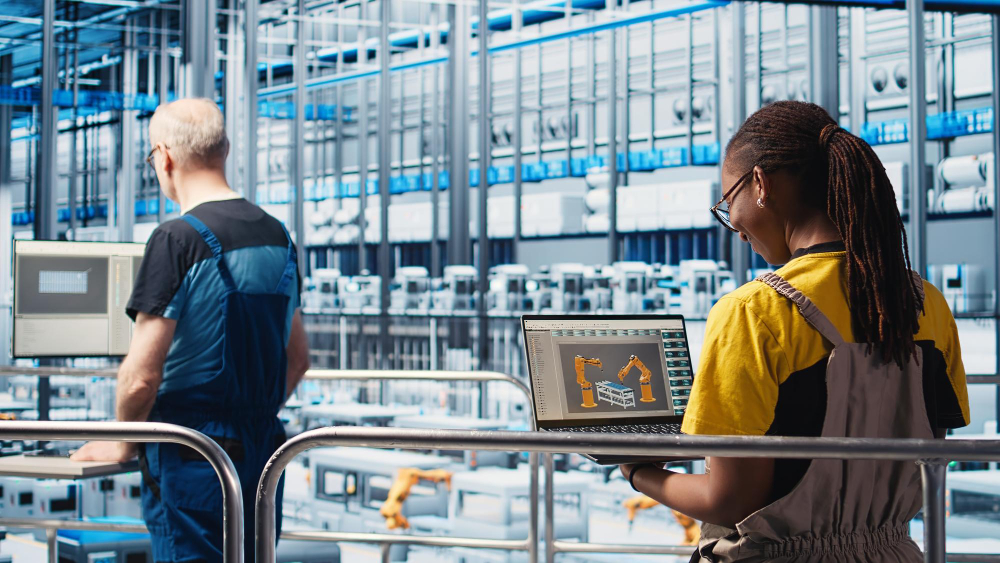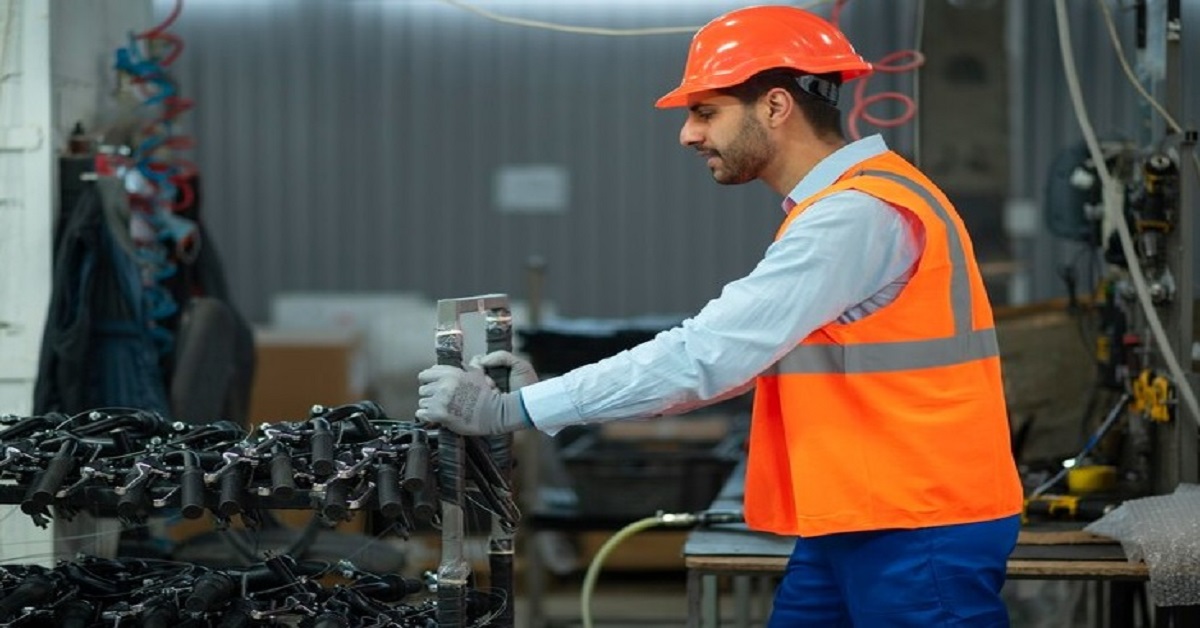
Keeping equipment in good working condition is essential for businesses that depend on machinery, tools, vehicles, and other assets every day. Unexpected equipment failures can interrupt operations, create costly delays, and affect productivity. A structured maintenance approach can help businesses reduce these risks and keep important assets operating reliably.
Equipment maintenance management provides a systematic way to plan, schedule, track, and improve maintenance activities. Instead of waiting for equipment to break down, businesses can use maintenance schedules, inspections, work orders, and performance data to take a more proactive approach.
What Is Equipment Maintenance Management?
Equipment maintenance management is the process of organizing and controlling maintenance activities for business equipment and assets.
It can include:
- Preventive maintenance scheduling
- Equipment inspections
- Repair management
- Work order tracking
- Maintenance history
- Spare parts management
- Technician scheduling
- Asset performance monitoring
- Maintenance cost tracking
The goal is to ensure that equipment receives the right maintenance at the right time while minimizing unnecessary downtime and expenses.
Why Equipment Maintenance Management Matters
Poorly maintained equipment can create problems that extend beyond the machine itself. A sudden breakdown may stop production, delay orders, increase repair expenses, or create safety concerns.
Reducing Unplanned Downtime
One of the major benefits of effective maintenance planning is reducing unexpected equipment failures. Regular inspections and preventive maintenance can help identify developing problems before they become major breakdowns.
Extending Equipment Life
Proper maintenance can help reduce excessive wear and keep equipment operating within recommended conditions. Over time, this may help businesses get more value from their equipment investments.
Controlling Maintenance Costs
Emergency repairs can be expensive, particularly when replacement parts, specialist technicians, or production downtime are involved. Planned maintenance can make costs more predictable and help businesses prioritize resources.
Key Components of Equipment Maintenance Management
A successful maintenance program usually combines several important activities.
Preventive Maintenance
Preventive maintenance involves performing scheduled tasks before equipment develops a serious problem. These tasks may include lubrication, inspections, cleaning, adjustments, filter replacement, and component checks.
Corrective Maintenance
Corrective maintenance addresses problems that have already been identified. It may involve repairing or replacing a damaged component so that equipment can return to normal operation.
Predictive Maintenance
Predictive maintenance uses equipment condition and performance information to identify potential problems. Depending on the equipment, businesses may monitor vibration, temperature, pressure, energy consumption, or other operating conditions.
Work Order Management
Work orders provide a structured way to assign, track, and complete maintenance tasks. They can include information about the equipment, required work, technician, parts, priority, and completion status.
How Technology Improves Maintenance Management
Modern maintenance software can simplify many tasks that were traditionally handled through spreadsheets, paper records, or disconnected systems.
Centralized Equipment Records
A maintenance management system can store equipment details, service history, manuals, inspection records, and other important information in one location.
Automated Maintenance Scheduling
Software can create reminders for recurring maintenance tasks based on dates, operating hours, usage, or other predefined requirements.
Real-Time Reporting
Maintenance teams can use reports and dashboards to monitor open work orders, completed tasks, equipment downtime, maintenance costs, and other performance indicators.
Mobile Maintenance Management
Mobile access can allow technicians to receive work orders, update task status, record findings, and access equipment information while working on-site.
Benefits for Different Industries
Equipment maintenance management can support organizations across many industries.
Manufacturing
Manufacturing facilities rely on production equipment to maintain consistent output. Planned maintenance can help reduce interruptions and improve equipment availability.
Construction
Construction companies often manage heavy machinery, vehicles, tools, and other mobile assets. Organized maintenance records can help teams monitor service requirements and equipment condition.
Facilities Management
Commercial buildings may have HVAC systems, generators, pumps, elevators, and other equipment requiring regular inspections and servicing.
Transportation
Fleet operators can use maintenance management processes to track vehicle inspections, repairs, servicing, mileage, and operating costs.
Best Practices for Equipment Maintenance
Building an effective maintenance program requires consistency and clear processes.
Create Detailed Maintenance Schedules
Identify which equipment requires routine inspections and determine appropriate maintenance intervals based on manufacturer recommendations, usage, and operating conditions.
Track Maintenance History
Recording completed repairs and inspections helps teams understand recurring problems and make better maintenance decisions.
Monitor Equipment Performance
Tracking operating conditions can help identify changes that may indicate developing equipment issues.
Keep Spare Parts Organized
Having commonly needed replacement parts available can reduce delays when repairs are required.
Train Maintenance Personnel
Technicians and equipment operators should understand proper operating procedures, inspection requirements, and maintenance processes.
Choosing Equipment Maintenance Management Software
For organizations managing a large number of assets, dedicated maintenance software can make the process easier.
When evaluating a solution, consider features such as:
- Preventive maintenance scheduling
- Work order management
- Asset tracking
- Inventory management
- Reporting and analytics
- Mobile accessibility
- Maintenance history
- User permissions
- Integration capabilities
The right system should support the organization’s maintenance workflow without adding unnecessary complexity.
Final Thoughts
Reliable equipment plays an important role in productivity, safety, and operational efficiency. A structured maintenance program helps businesses move away from reactive repairs and toward more organized asset management.
Equipment maintenance management can help companies schedule preventive tasks, monitor equipment condition, track repairs, manage maintenance costs, and reduce unplanned downtime. With the help of modern maintenance software, teams can also gain better visibility into equipment performance and maintenance activities.
By combining good maintenance practices with accurate records and appropriate technology, businesses can improve asset reliability and make more informed decisions about their equipment over the long term.
Frequently Asked Questions (FAQs)
What is equipment maintenance management?
Equipment maintenance management is the process of planning, scheduling, tracking, and analyzing maintenance activities to keep business equipment reliable and operational.
What are the main types of equipment maintenance?
The main types include preventive, corrective, predictive, and reactive maintenance. Businesses may use a combination depending on their equipment and operational requirements.
How can equipment maintenance management reduce downtime?
It can help identify maintenance needs early, schedule preventive work, track repairs, and monitor equipment conditions, reducing the likelihood of unexpected failures.
Can maintenance software improve equipment management?
Yes. Maintenance software can centralize asset records, automate maintenance schedules, manage work orders, track spare parts, and provide reports on equipment performance and maintenance costs.
Why is maintenance history important?
Maintenance history provides a record of inspections, repairs, replacements, and recurring issues. This information can help teams identify patterns and make better decisions about repairs, maintenance schedules, and equipment replacement.