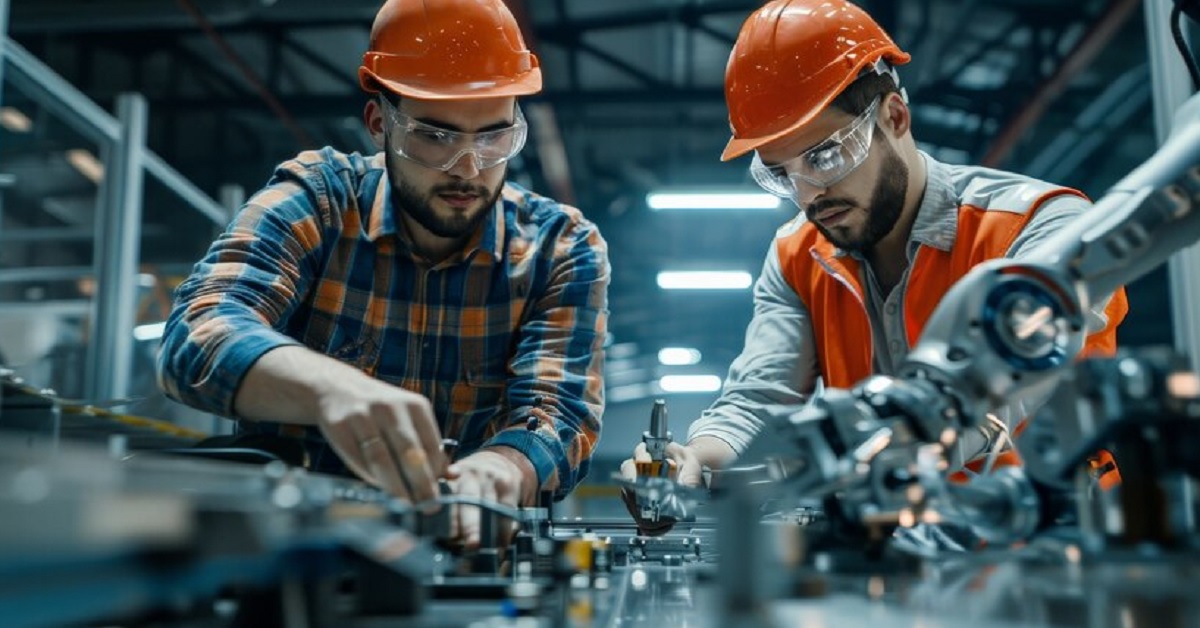
In modern industries, equipment is the backbone of daily operations. Whether it’s manufacturing machines, construction tools, or production systems, equipment must perform efficiently to maintain productivity. However, without proper maintenance, even the most advanced machinery can fail unexpectedly. This is where equipment maintenance management becomes essential.
It refers to the systematic process of monitoring, maintaining, and optimizing machinery to ensure consistent performance. By implementing an organized maintenance strategy, businesses can prevent costly breakdowns, reduce downtime, and extend the lifespan of their equipment.
What Is Equipment Maintenance Management?
This is the process of planning, scheduling, and tracking maintenance activities for machines and assets. It ensures that equipment remains in optimal condition throughout its operational life.
This approach involves several key activities such as:
- Routine inspections
- Preventive maintenance scheduling
- Performance monitoring
- Repair tracking
- Asset lifecycle management
Effective equipment management helps organizations move from reactive repairs to proactive maintenance strategies.
Why Equipment Maintenance Management Is Important
Reduces Unexpected Downtime
Unexpected equipment failures can halt production and lead to financial losses. With proper equipment management, potential issues can be detected early and resolved before they escalate.
Extends Equipment Lifespan
Regular maintenance reduces wear and tear on machinery. This helps businesses maximize the value of their equipment investments.
Improves Workplace Safety
Faulty equipment can create dangerous working conditions. Proper maintenance management ensures that machines operate safely and meet industry standards.
Enhances Operational Efficiency
Well-maintained equipment performs more efficiently, reducing energy consumption and improving productivity.
Key Components of Equipment Maintenance Management
Preventive Maintenance
Preventive maintenance involves performing routine inspections and servicing equipment before problems occur. This proactive approach helps avoid sudden failures.
Predictive Maintenance
Using sensors and monitoring tools, predictive maintenance analyzes equipment performance data to forecast potential issues.
Corrective Maintenance
When faults are detected, corrective maintenance focuses on repairing or replacing damaged components quickly.
Maintenance Scheduling
Effective maintenance management relies on well-planned schedules to ensure tasks are completed on time without disrupting operations.
Benefits of Implementing Equipment Maintenance Management
Organizations that adopt structured maintenance systems experience several advantages:
- Lower repair costs
- Increased equipment reliability
- Reduced production delays
- Improved asset tracking
- Better compliance with safety regulations
By prioritizing this maintenance management, businesses can maintain smooth operations and avoid unnecessary disruptions.
Technology in Equipment Maintenance Management
Modern technology has transformed maintenance processes. Many companies now use computerized systems known as CMMS (Computerized Maintenance Management Systems).
These tools help organizations:
- Track equipment performance
- Schedule maintenance tasks automatically
- Manage spare parts inventory
- Generate maintenance reports
With digital solutions, it becomes more efficient and data-driven.
Best Practices for Effective Equipment Management
To achieve the best results, organizations should follow these practices:
Create a Maintenance Plan
Develop a clear strategy outlining inspection schedules, repair procedures, and responsibilities.
Train Maintenance Teams
Skilled technicians ensure maintenance tasks are performed correctly and safely.
Monitor Equipment Performance
Regular monitoring helps identify performance trends and detect potential failures early.
Maintain Accurate Records
Detailed maintenance records help track equipment history and improve decision-making.
Conclusion
Reliable equipment is essential for smooth industrial operations. Without a structured maintenance approach, businesses risk costly breakdowns, safety hazards, and productivity losses. It provides a strategic solution by ensuring machines are properly maintained and monitored.
By adopting effective equipment management practices, organizations can extend equipment lifespan, reduce downtime, and improve operational efficiency. In today’s competitive business environment, proactive maintenance is the key to long-term success.
Frequently Asked Questions (FAQs)
1. What is equipment maintenance management?
This is the process of planning, monitoring, and performing maintenance activities to ensure machinery operates efficiently and safely.
2. Why is equipment management important?
It helps prevent equipment failures, reduce downtime, improve safety, and extend the lifespan of machinery.
3. What are the main types of maintenance used in equipment management?
The main types include preventive maintenance, predictive maintenance, and corrective maintenance.
4. How does technology support equipment maintenance management?
Modern systems like CMMS help track equipment performance, schedule maintenance tasks, and maintain detailed service records.
5. Can equipment maintenance management reduce operational costs?
Yes, regular maintenance prevents major failures, reduces repair costs, and improves overall operational efficiency.